Leave Your Message

How to Choose Plastic Wrap Shrink Film in 2026?

Choosing the right Plastic Wrap Shrink Film in 2026 requires more than comparing prices or glossy product photos. Film must match the product, equipment, storage conditions, and distribution route. A thin film may reduce material use, yet it can tear around sharp corners. A thicker option may protect better, but it can increase cost and energy use. There is no perfect film.

In practical packaging work, start with the product’s size, weight, shape, and surface sensitivity. Consider polyethylene, PVC, or polyolefin structures according to the intended application and equipment. Check shrink temperature, shrink force, puncture resistance, clarity, seal strength, and roll consistency. A supplier’s technical data sheet is useful, but real trial packs reveal more. Watch the film around corners. Notice loose folds, weak seals, and cloudy areas after heating.

Reliable selection also depends on evidence. Ask for product specifications, batch information, safety documentation, and recommended machine settings. Test samples under realistic conditions, including transport vibration, warehouse temperature changes, and repeated handling. Measurements should support visual judgment. Small differences in gauge or shrink behavior can affect hundreds of packages. This part is often underestimated. It should not be.

In 2026, responsible buyers may also examine recycled content, recyclability claims, packaging efficiency, and supplier transparency. Environmental claims need verification, not attractive wording. A film that looks sustainable but performs poorly may create more waste through damaged goods and rework. Review performance with operators, engineers, and procurement teams. Their experiences can differ. That is valuable. The final decision should balance protection, appearance, machine performance, cost, and documented reliability.
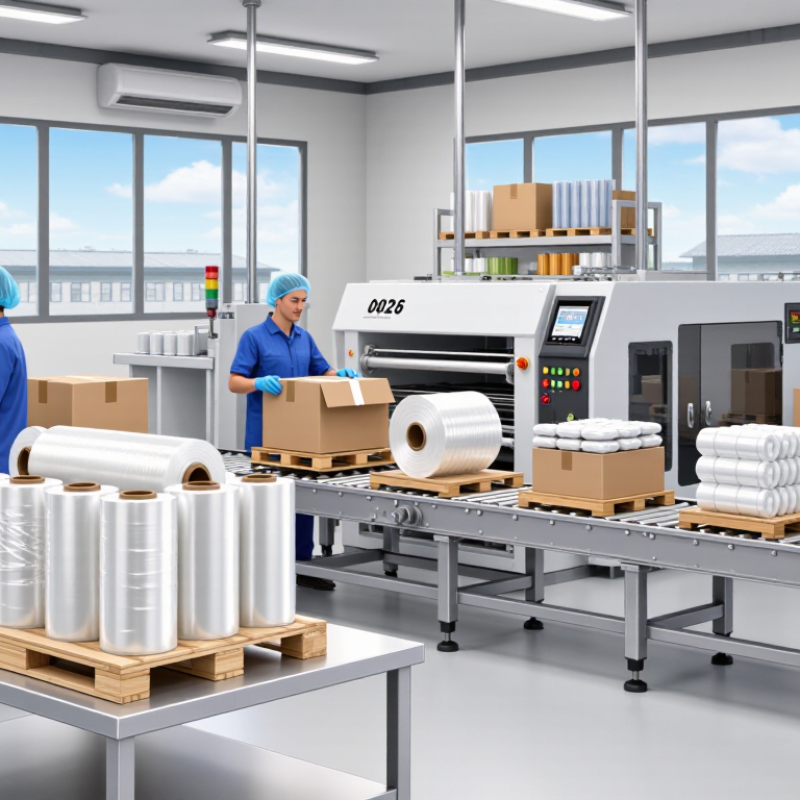
How to Choose Plastic Wrap Shrink Film in 2026?

What Is Plastic Wrap Shrink Film?

What Is Plastic Wrap Shrink Film?

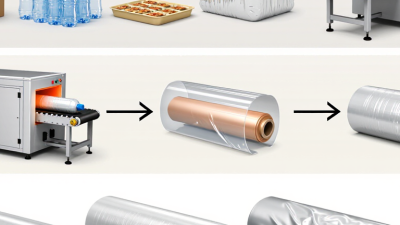
Plastic wrap shrink film is a thin polymer sheet that contracts when heated. It wraps products tightly, unlike ordinary cling film, which mainly stretches and clings. Most shrink films use polyethylene or polyolefin structures. Heat activates molecular orientation created during manufacturing. The film then pulls inward around a carton, tray, or grouped product. Picture a loose sleeve becoming smooth around a six-pack after controlled heating.

The material is measured by thickness, strength, clarity, sealability, and shrink percentage. A thicker film may resist punctures from sharp carton corners. A thinner grade can reduce material use, but it may tear during packing. According to the Flexible Packaging Association’s 2024 industry report, U.S. flexible packaging sales remain near 40 billion dollars annually. That scale shows why small gauge decisions can affect substantial material volumes. However, flexible packaging statistics do not represent shrink film alone.

Smithers’ packaging research continues to identify downgauging and recyclable structures as important development areas. These trends influence film selection in 2026, but they do not remove practical compromises. A film can look clear yet seal poorly on humid production lines. It can shrink strongly but distort printed graphics. In field testing, I would compare seal strength, shrink consistency, and puncture resistance using actual cartons. Laboratory data helps. It is not always enough. A careful buyer should also check storage temperature, tunnel settings, and film recovery after cooling. Thin film often appears efficient on paper, yet real handling can expose weaknesses.

Which Shrink Film Materials and Types Are Available?

Choosing shrink film in 2026 starts with the product, not the machine. Polyolefin film suits food, retail packs, and irregular shapes because it offers clarity and balanced shrinkage. Polyethylene film is thicker and tougher, making it practical for bundled cartons, bottled goods, and pallet loads. PVC film can provide strong visual presentation, but its processing and disposal requirements need closer review.

The available types include centerfold film, single-wound film, and pre-made shrink bags. Centerfold film works well with automated L-sealers. Single-wound film can reduce handling on larger production lines. Shrink bags help pack bulky items with fewer sealing steps. Heat-shrink performance also varies. Cross-linked polyolefin usually resists punctures better, while standard polyolefin may cost less. Small samples reveal more than a catalogue.

Market reports show why selection remains important. Grand View Research’s 2024 analysis identifies polyolefin as a major shrink-film material segment, supported by demand for clear and durable packaging. Smithers’ packaging outlook also highlights downgauging and recyclable structures as continuing development priorities. These reports are useful, but figures differ by region and definition. Treat forecasts carefully.

In practical trials, check seal strength, shrinking temperature, haze, odor, and film breakage. Run samples through the actual tunnel. A film that looks efficient on paper may wrinkle around sharp corners. That mistake is common. Measure package weight, energy use, and waste per thousand units before approving a specification. Sustainability claims also need verification; thinner film is not automatically the better choice.

How to Choose Plastic Wrap Shrink Film in 2026? - Which Shrink Film Materials and Types Are Available?

Material / Film Type Typical Shrink Direction Typical Shrink Ratio* Key Characteristics Common Applications Advantages Limitations Recycling / Disposal Considerations
POF
Polyolefin Shrink Film
Balanced biaxial shrinkage Usually 40–60% in both directions Clear, lightweight, soft, strong, and suitable for direct contact with many packaged products when the grade is approved for that use. Food multipacks, bakery products, books, consumer goods, gift baskets, and general overwrapping. Good clarity, strong seals, low odor, good puncture resistance, and a wide processing window. Usually requires controlled heat for consistent results; mixed-layer construction can complicate recycling. Often made from polypropylene and polyethylene layers. Recycling instructions depend on the exact structure and local collection system.
PE
Polyethylene Shrink Film
Mainly cross-machine direction; grades may be biaxial Approximately 20–70%, depending on grade and orientation Tough, flexible, and available in low-density, linear low-density, and high-density polyethylene structures. Pallet loads, beverage multipacks, industrial bundles, construction products, and heavy or irregular products. High impact strength, good moisture resistance, and suitability for thicker protective packaging. Generally less transparent than POF; thicker films require more heat and may shrink less uniformly. Commonly associated with resin identification code 4 for LDPE or code 2 for HDPE. Actual recyclability depends on local facilities and film collection programs.
PVC
Polyvinyl Chloride Shrink Film
Typically cross-machine direction Approximately 40–65% Good clarity and strong visual shrink effect; available in formulations for sleeves and overwrap. Retail sleeves, gift packaging, small product overwrap, and tamper-evident bands. Easy to process on many conventional shrink systems and often provides a glossy appearance. Contains chlorine; thermal processing can generate corrosive or undesirable emissions if overheated. It is less suitable for some food and recycling programs. Usually identified as resin code 3. Do not mix with polyolefin recycling streams; follow local PVC collection and disposal requirements.
PETG
Glycol-Modified PET Shrink Film
High transverse shrinkage Approximately 60–80% in the main shrink direction Highly clear, stiff before shrinking, and capable of producing tight-fitting full-body sleeves. Beverage containers, personal-care packaging, household products, and full-body labels. High shrink force, excellent graphics support, strong dimensional coverage, and good transparency. Requires accurate temperature control; sleeve labels can interfere with PET bottle recycling when not designed for easy separation. PETG is generally associated with resin code 1, but PETG sleeves may not be compatible with standard PET bottle recycling streams. Design and separation guidance is important.
OPS
Oriented Polystyrene Shrink Film
Predominantly transverse direction Approximately 60–75% Very clear and capable of high shrinkage for contoured containers; generally stiffer and more brittle than polyolefin films. Full-body labels, decorative sleeves, and shaped containers. Strong visual coverage, high transparency, and good suitability for detailed printed graphics. Lower impact resistance and narrower handling tolerance than many PE or POF films. Usually associated with resin code 6. Recycling access is limited in many regions and depends on local infrastructure.
PP
Polypropylene Shrink Film
Biaxial or mainly transverse, depending on construction Approximately 15–50% Lightweight, moisture-resistant, and relatively stiff, with grades engineered for overwrap or labeling. Food overwrap, stationery, printed labels, and selected multipack applications. Good moisture barrier, low density, and compatibility with polypropylene packaging systems. Shrink performance varies widely by orientation; some grades have lower puncture resistance than PE. Usually associated with resin code 5. Film recycling availability varies substantially by region.
Shrink Sleeve Film Usually high transverse shrinkage Approximately 45–80%, depending on resin A tubular or seamed film format designed to cover a container after heat shrinking. Full-body labels, tamper-evident bands, promotional packaging, and contoured containers. Provides 360-degree decoration and can conform to complex container shapes. Requires accurate registration, seam control, perforation design, and suitable removal or recycling planning. The disposal route depends on whether the sleeve is PVC, PETG, OPS, or polyolefin. Material identification should be stated in packaging specifications.
Centerfold Shrink Film Depends on the selected film resin and orientation Typically 20–70% Film is folded lengthwise on a roll, allowing products to be inserted between two layers before sealing and shrinking. Books, boxes, retail products, stationery, and small assembled packs. Efficient for semi-automatic or automatic packing and reduces the need to position two separate film webs. Film width and fold position must match the product; unsuitable settings can create wrinkles or weak seals. Recycling depends on the resin used. Keep film type and additives documented for correct handling.
Perforated Shrink Film Depends on the base film Depends on the base film Film with controlled micro-perforations that allow air to escape during shrinking and reduce trapped air pockets. Pallet wrapping, irregular products, porous goods, and packages requiring venting. Improves air release and can reduce ballooning during heat application. Perforations can reduce tensile strength, moisture resistance, and containment performance. Use the recycling route for the base resin. Additives, inks, and multilayer construction may affect recovery.

*Shrink ratios are typical industry ranges rather than universal specifications. Actual performance depends on film thickness, orientation, additives, product geometry, sealing method, tunnel temperature, air velocity, and line speed. Always verify the technical data sheet and conduct a production trial before selection.

How to Match Film Properties With Packaging Requirements?

How to Choose Plastic Wrap Shrink Film in 2026?

Choosing shrink film starts with the package, not the film catalog. Measure the product’s length, width, height, corners, and weight. Then check how it moves through the sealing and shrinking equipment. A film that performs well on a small carton may fail around sharp edges or heavy loads.

Match film properties to real packaging demands. Use puncture-resistant film for products with corners, exposed handles, or uneven surfaces. Choose higher clarity when shoppers need to inspect the contents. For grouped products, check tensile strength and seal strength carefully. A weak seal can open during transport. A film that is too strong can waste material and increase machine strain.

Thickness also matters. Thicker film may improve protection, but it can raise costs and require more heat. Shrink ratio should fit the package shape without creating tight folds or loose areas. Test the film at several temperatures and conveyor speeds. Watch the corners. Watch the seal.

In my early packaging trials, I focused too much on appearance. The film looked clean, but it tore near a sharp edge. That experience changed my testing process. I now test filled packages, not empty samples. Results can differ. Humidity, storage time, and machine settings also affect performance. No film is perfect. A practical choice balances protection, presentation, processing stability, and material use.

How to Choose the Right Film Thickness, Size, and Shrink Ratio?

How to Choose Plastic Wrap Shrink Film in 2026?

Choosing shrink film starts with the product, not the film roll. Measure the package length, width, and height after loading. Add enough material for sealing and controlled shrinkage. A roll that looks economical may create weak seams or excessive waste.

Film thickness affects strength, appearance, and heat response. Light products may use thinner film, while cartons with corners need greater puncture resistance. Micron ratings provide a useful starting point, but they do not tell the whole story. I have seen a thin film perform well on smooth boxes and fail around sharp edges. Test samples under actual handling conditions. Small tears matter.

Shrink ratio also deserves careful attention. A film marked 60% in one direction and 40% in another will not tighten evenly on every package. Match the ratio with the package shape and the equipment’s airflow and temperature. Measure the finished pack, including corner movement. Oversized film can form loose tails. Undersized film may expose edges. It happens.

Use clear supplier data, then verify it with a short production trial. Check seal strength, clarity, shrink uniformity, and package recovery after cooling. Film width should cover the package without forcing the seal close to its limit. My calculations are sometimes too optimistic, especially when product surfaces vary. Record the actual results and adjust thickness, size, or ratio before committing to a full run.

How to Choose Plastic Wrap Shrink Film in 2026?

Film Thickness, Size, and Shrink Ratio Comparison

These representative commercial specifications help match film type to packaging needs. Polyolefin (POF) is commonly used for retail products at approximately 15–25 μm, PVC is often available around 20–40 μm, and polyethylene (PE) is typically selected for heavier loads at approximately 50–100 μm. Typical shrink ratios vary by formulation and machine settings, so always confirm the technical data sheet before purchasing.

How to Evaluate Safety, Sustainability, Cost, and Supplier Quality?

Choosing plastic wrap shrink film in 2026 requires more than comparing roll prices. Safety should be checked first. Ask for technical data, material composition, intended-use statements, and recent migration or compliance test reports. For food, medical, or child-related packaging, confirm that the film matches the applicable market requirements. Do not rely on a supplier’s verbal promise. Request batch identification and clear traceability.

Sustainability needs practical measurement. Compare film thickness, recycled content, recyclability, and packaging waste during production. A thinner film may reduce material use, but it can tear during sealing and create more rejects. I have seen low-gauge film look efficient on paper, then fail around sharp carton corners. Run a controlled sample test. Record roll consumption, breakage, electricity use, and finished-package quality. Sustainability claims can be incomplete.

Cost should include labor, machine adjustments, downtime, freight, and waste. A cheap roll is not always economical. Supplier quality matters just as much. Review production capacity, quality-control procedures, inspection records, and response times for complaints. Request samples from multiple batches, not one perfect roll. Check seal strength, shrink consistency, odor, clarity, and storage performance. A site visit or independent audit adds confidence, although it cannot replace ongoing inspection. Leave room for doubt. Specifications may change without obvious warning, so review them regularly.