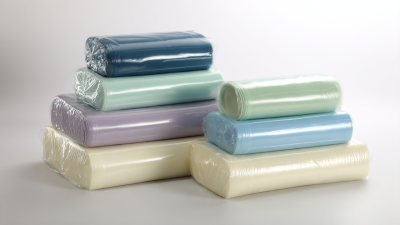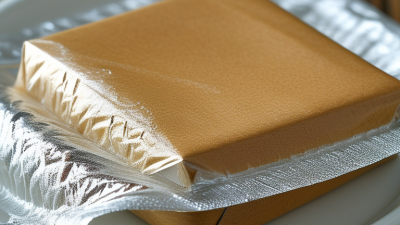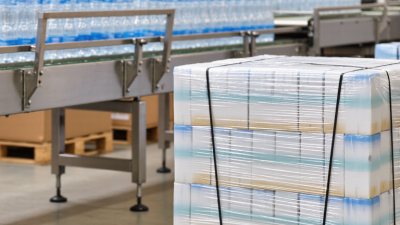
Shrink Film Packaging uses heat-sensitive plastic film to form a close-fitting layer around a product or group of products. The process is simple to picture: a clear film is placed around a box, bottle, or tray, then heated in a shrink tunnel or with controlled heat. As the film contracts, it hugs the product’s edges. The result can help keep items grouped, reduce exposure to dust, and provide a clear view of the contents. The seal is not magic. Film choice, temperature, speed, and product shape all affect the finish.
Packaging engineer Dr. Andrew Hurley is an established packaging educator, but I cannot verify a direct quotation from him about shrink film. Rather than invent one, here is a clearly identified illustrative line: “Good shrink packaging begins with matching the film and heat process to the product.” That principle matters on a real packing line. A film that is too thin may tear at sharp corners; excessive heat can wrinkle or distort the package. Small details count.
This guide explains the main film types, the equipment used, and how the shrinking process works. It also considers common benefits and trade-offs, including material use, appearance, and handling. Shrink Film Packaging can suit many products, but it is not automatically the best option for every item. Product dimensions, distribution conditions, and end-of-life considerations deserve a careful look. Sometimes a test run reveals what specifications miss.
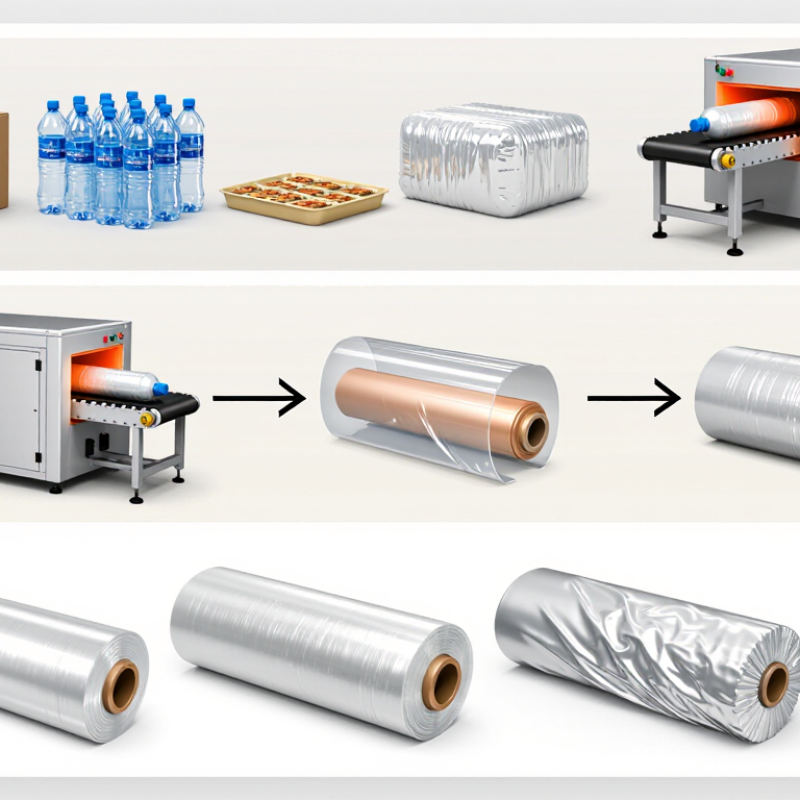
Shrink film packaging uses a polymer film that contracts when heated, forming a close layer around a product or group of products. It is designed to keep items together, limit exposure to dust and handling, and present them clearly on a shelf. The film can be transparent, printed, or selected for particular handling needs. Its protective value depends on the material, thickness, seal quality, and package design; it is not automatically waterproof or impact-proof.
The process typically starts with film placed around the item, then heat applied in a controlled tunnel or with suitable equipment. As the film warms, it tightens around the shape and cools into place. That fit matters. A well-sized pack can reduce shifting during ordinary transport, while excess film may wrinkle or snag. Too much heat can distort the film or damage heat-sensitive contents, so settings need testing with the actual product. Results are not always neat, especially with sharp corners or uneven shapes. A small trial run can reveal weak seals, loose areas, and visual problems before packaging is used at scale.
| Topic | What It Means | Purpose or Practical Consideration |
|---|---|---|
| Definition | Shrink film is a polymer plastic film that tightens around an item or group of items when exposed to a suitable heat process. | It creates a close-fitting wrap that helps hold products together and present them as a packaged unit. |
| How shrinking works | The film is manufactured with molecular orientation. Heat allows it to contract toward a more relaxed state, drawing the film around the package. | The required temperature and exposure depend on the film type, thickness, package shape, and equipment. |
| Typical materials | Common shrink-film materials include polyolefin, polyethylene, and PVC. | Material choice affects factors such as strength, clarity, flexibility, sealability, and suitability for the product and packing process. |
| Typical process | Film is placed around the product, sealed where needed, and passed through a heat source such as a heat tunnel or treated with a heat gun. | Even heating and correct sealing help produce a neater wrap and reduce loose areas, holes, or excessive wrinkles. |
| Product grouping | Film can wrap one item or bundle several items together. | Bundling can help keep items together during handling and display, but the film should be selected for the load and distribution conditions. |
| Protection | A continuous wrap can help shield products from dust, dirt, and incidental contact. | Shrink film is not automatically waterproof, airtight, or a substitute for protective cushioning; performance depends on the film, seals, and package design. |
| Product visibility | Many shrink films are transparent, while printed or colored options are also available. | Clear film can keep a product visible; printed film can carry handling or product information when designed for that use. |
| Tamper indication | A sealed shrink band or wrap may show visible disturbance if opened or cut. | It can provide a tamper-evident feature, but it does not by itself guarantee security or prevent access. |
| Common uses | Applications include retail product wrapping, multipack bundling, cartons, and protective overwrap. | The package format and film should match the product dimensions, production speed, storage conditions, and applicable requirements. |
| Important limitation | Shrink film conforms to the package but generally does not add meaningful cushioning or structural support. | Fragile or heavy products may need a separate protective structure, such as a tray, carton, or cushioning material. |
Polyolefin, or POF, is a common choice for retail products because it is clear, relatively soft, and forms neat seals around compact items. It can conform closely to cartons, books, and small household goods. Good clarity matters. Still, thin film may tear around sharp corners, so package edges and film thickness need to be considered together.
Polyvinyl chloride, or PVC, is known for strong shrink and a glossy finish. It can work well for certain shaped products, but it may become brittle in cold conditions. Heating also needs careful control; excessive heat can damage the film and create unpleasant fumes. That trade-off is easy to overlook when a sample looks smooth on the bench.
Polyethylene, or PE, is tougher and more flexible, making it useful for bundling larger items or protecting products during handling. It is often less transparent and may need more material than thinner films. No material wins in every situation. A film that holds a bundle securely may obscure small labels, while a very clear wrap can wrinkle around uneven shapes. Test the actual product, including its corners and label placement, before settling on a material.
Shrink film packaging wraps a product in a loose layer of plastic film that tightens when heated. The film may arrive as a bag, a sleeve, or a folded sheet. An operator places it around the item, keeping edges clear of the sealing area. The package is then sealed, often with a heated bar that presses film layers together. A clean seal matters; gaps can let the film loosen.
Next, controlled heat shrinks the film around the product. This may happen in a heat tunnel or with a handheld heat source for small batches. The film contracts as it warms, following the product’s shape and holding the package in place. Temperature and exposure time depend on the film and product. Too much heat can cause holes, cloudy patches, or warped packaging. The result is not always perfectly smooth, and a wrinkle near a corner may need a closer look.
Tips: Keep the product centered and avoid trapping dust or labels in the seal. Check a few packages during setup. Look for firm seams and even coverage, not just a glossy finish. If film pulls sharply against delicate edges, reduce the heat or adjust the wrapping. Small adjustments can make a noticeable difference.
Shrink film begins as a polymer sheet or sleeve stretched during manufacture. Heat releases some of that stored orientation, making the film contract around an item. It is a physical change, not glue. The film tightens.
In practice, a wrapped product passes through a heated tunnel or receives controlled heat from a handheld tool. As temperature rises, the film softens and shrinks; even heat helps it pull snugly around corners and contours.
A tray of jars may emerge with taut sides and a smooth top, while loose folds can signal uneven heating or a poor film fit. The details matter.
Operators adjust temperature, conveyor speed, and airflow together, rather than simply turning the heat higher.
Too much heat can distort thin containers, weaken a seal, or leave cloudy patches. Too little may create wrinkles that catch during handling.
Film type and thickness affect the response, so a small test run is sensible before full production. Shrinkage is not perfectly predictable: product shape, trapped air, and room conditions can all affect the finish.
A neat package often comes from patient adjustment, not extra heat.
Shrink film packaging is common on multipacks, books, boxed goods, and household products. A clear film gathers tightly around items when heat is applied, helping hold a bundle together and limiting exposure to dust and handling. It can also keep labels visible. Not always. Film may wrinkle or cloud if the package shape or heating process is poorly matched.
Performance depends on film material, thickness, shrink behavior, and sealing quality. A thin film can reduce material use, but sharp corners may puncture it during handling. Product size matters, too: a loose fit can leave folds, while excessive shrink force may distort light cartons. Heat settings and conveyor speed need to suit both the film and the product. Too much heat can damage sensitive contents; too little may leave slack areas. Small adjustments matter. In production, operators often check seals, corners, and film tension on actual packages rather than relying only on setup values. Storage conditions and transport can still change the result, so testing under realistic conditions is worthwhile. I would not treat one successful sample as proof that every batch will behave the same.
Shrink film is used to bundle products, secure multipacks, and protect items such as food, consumer goods, and industrial products. The ranges below are representative; actual requirements vary by film formulation, thickness, package shape, and equipment.
Temperature is only one performance factor: film gauge, shrink force, seal quality, tunnel airflow, and line speed also affect package appearance and integrity. Follow the film supplier’s specifications and validate settings on the packaging line.