Leave Your Message
China has become an important sourcing base for packaging materials, including Shrink Film used in food, beverage, personal care, and industrial applications. For global buyers, a supplier’s location or product range alone says little about whether the film will perform reliably on a production line. Thickness consistency, shrink behavior, seal strength, clarity, and roll dimensions all matter. Small variations can cause wrinkles, weak seals, or unnecessary downtime.
This guide introduces ten Chinese manufacturers for buyers comparing potential partners. It considers practical factors such as product specialization, manufacturing capability, quality control, customization, communication, and export experience. Buyers can use these points to prepare focused questions: What film structures are available? Can the supplier provide samples and technical data? How are batch specifications checked? Clear answers are more useful than broad claims.
Details matter. Ask about film gauges, roll widths, shrink curves, and compatibility with existing equipment. Request current documentation and test samples under your own operating conditions. A supplier’s published specifications are a starting point, not a guarantee of results. No shortlist is perfect. Product lines and capabilities can change, and a suitable manufacturer for one application may not fit another. Treat this overview as a research aid, then verify each company’s claims directly before placing an order. A careful comparison can help buyers identify credible options and reduce avoidable surprises.
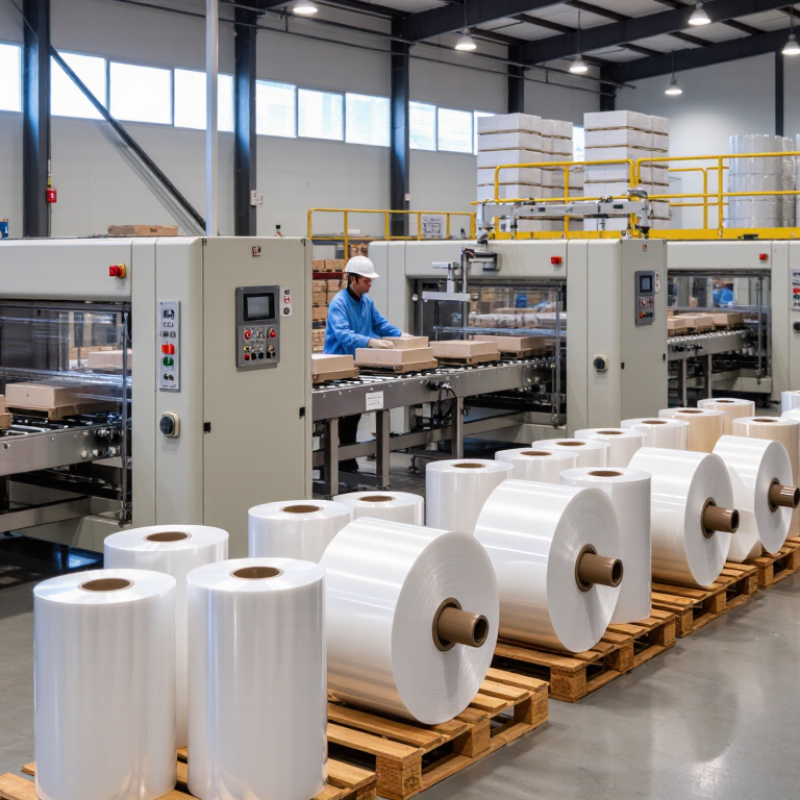
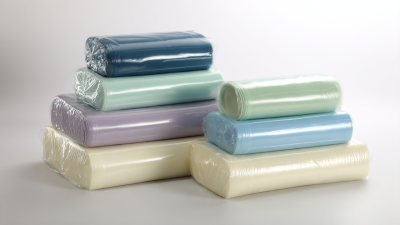
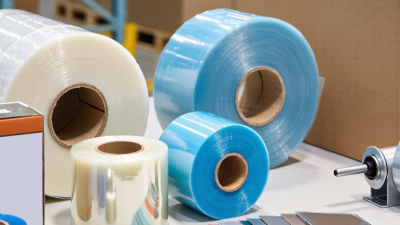
Shrink film is a thin polymer packaging material that tightens when controlled heat is applied. Common structures include polyethylene, polyolefin, and PVC, each serving different packaging needs. The film wraps around a product or grouped items, then contracts around its shape. This creates a clear, close-fitting layer. It can protect surfaces from dust, moisture, scuffing, and light handling damage. It is not a substitute for a strong box.
In practical packing lines, shrink film appears around bottled drinks, cartons, printed goods, hardware, household products, and pallet loads. Retailers often use it to bundle several units neatly. Manufacturers may choose thicker film for sharp edges or heavier packs. A thinner grade can reduce material use, but it may tear during sealing. That trade-off deserves testing, not guesswork. Temperature, tunnel speed, film direction, and package shape all affect the final result. Poor settings can leave wrinkles, holes, or loose corners.
Global buyers evaluating Chinese suppliers should request technical data, sample rolls, and trial-pack results. Check thickness tolerance, tensile strength, shrink percentage, clarity, sealing behavior, and roll dimensions. Ask how batches are inspected and stored. A supplier’s catalogue is useful, but production evidence matters more. I have found that “high clarity” can look different under warehouse lighting. Small details matter. Packaging teams should also review recycling requirements and local contact regulations before approval, because suitability changes by market and application.
Shrink film is a polymer film that contracts when heated, helping it fit closely around a product or package. The table below compares ten common shrink-film product categories and typical selection considerations. Thickness ranges are indicative market ranges, not specifications for every grade; confirm technical data with the supplier.
| No. | Shrink Film Category | Typical Thickness | Common Uses | Key Characteristics | Buyer Checks |
|---|---|---|---|---|---|
| 1 | Polyolefin (POF) center-fold film | Typically 12–25 μm | Retail products, books, toys, household goods, and multipacks | Clear, flexible film commonly used on automatic and semi-automatic packaging lines | Seal strength, clarity, shrink performance, roll dimensions, and line compatibility |
| 2 | Polyolefin (POF) single-wound film | Typically 12–25 μm | Irregularly shaped retail items and products wrapped with L-sealers | Single-layer web format can suit specific sealing and wrapping equipment setups | Web width, winding direction, roll length, seal-window settings, and sample testing |
| 3 | Polyethylene (PE) shrink film | Commonly 30–150 μm; heavier grades are available | Beverage multipacks, cartons, building materials, and palletized goods | Typically tougher and thicker than retail overwrap films; available in several formulations | Load weight, puncture resistance, film thickness, pack stability, and machine capacity |
| 4 | PVC shrink film | Commonly 15–50 μm | Tamper-evident bands, presentation packs, and selected retail packaging | Can provide strong shrink and good display clarity; disposal and regulatory requirements need review | Intended use, local packaging rules, sealing method, shrink conditions, and end-of-life requirements |
| 5 | PETG shrink label film | Commonly 30–50 μm | Full-body sleeves and tamper-evident labels for bottles and containers | Designed for high-shrink sleeve applications and conforming to shaped containers | Shrink curve, print compatibility, seaming quality, container geometry, and recycling compatibility |
| 6 | OPS shrink label film | Commonly 40–60 μm | Shrink sleeves for beverages, food containers, and personal-care packaging | Oriented polystyrene film used for printed labels; performance depends on the grade and application | Sleeve conversion, print quality, shrink behavior, handling, and local recycling requirements |
| 7 | PET shrink film | Varies by application; confirm the grade specification | Labels, sleeves, and selected industrial or specialty packaging | A polyester-based option used where the required performance and converting process suit the grade | Polymer type, shrink curve, thickness tolerance, printability, and recycling stream compatibility |
| 8 | Perforated shrink film | Depends on base film, often specified within POF or PE ranges | Applications where controlled air release is required during shrinking | Perforations allow trapped air to escape; hole pattern and size affect package appearance and performance | Perforation pattern, product shape, air evacuation, seal integrity, and shrink tunnel settings |
| 9 | Printed shrink film | Depends on substrate and end use | Branded multipacks, sleeves, promotional packs, and product identification | Printed on a suitable shrink-film substrate; artwork must account for film shrinkage and package shape | Substrate, ink system, color proof, print registration, artwork distortion, and food-contact requirements where relevant |
| 10 | Heavy-duty shrink hood or pallet film | Typically thicker PE-based film; specify by load and equipment | Pallet loads, construction products, and large or bulky goods | Designed to cover and secure larger loads; strength and weather exposure needs vary by application | Load dimensions, transport conditions, film gauge, puncture resistance, and hooding equipment |
Note: This is a product-category comparison, not a ranking of named manufacturers. Film properties and suitable operating conditions vary by formulation, thickness, equipment, and package design. Request current technical data sheets and test samples before placing an order.