Why does Shrink Film remain widely used in global packaging? The answer begins with practical performance. When heat is applied, the film contracts around bottles, cartons, trays, and irregular bundles. This creates a close-fitting package that reduces movement, dust, and surface scuffing during storage and transport. On a busy packing line, operators can see the product, adjust tension, and seal units quickly. That visibility matters. It supports retail display and helps workers identify damaged packaging before shipment.
Material choice, however, is not universal. Polyolefin, polyethylene, and PVC films offer different balances of clarity, strength, sealing behavior, and cost. Packaging engineers normally review product weight, corner sharpness, heat sensitivity, distribution distance, and local recycling systems. A beverage multipack may need puncture resistance, while a bakery tray may need clean presentation and controlled sealing. Machine settings also matter. Excessive heat can distort labels, waste energy, or weaken the pack. Insufficient heat can leave loose areas and poor load stability. These details show why reliable results depend on testing, not assumptions.
The global value of Shrink Film also includes material efficiency. Thin films can secure several items with less packaging mass than rigid alternatives. Yet this advantage is not automatic. A poorly selected film may tear, require rework, or create avoidable waste. Responsible decisions examine the complete package journey, including production, transport, recovery, and end-of-life handling. Regional infrastructure differs widely. Therefore, businesses should verify supplier specifications, conduct line trials, and follow applicable packaging and recycling requirements. This article explores why Shrink Film remains important, where it performs best, and which limitations deserve closer attention. Some conclusions may change as materials and recycling systems improve.
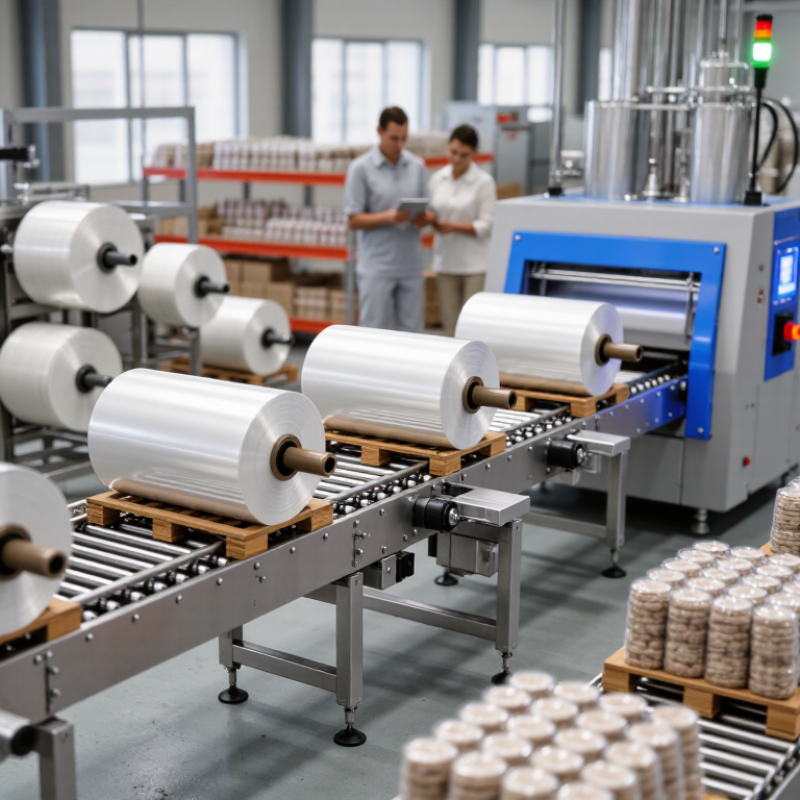
Shrink film is a thin polymer film that tightens around products when exposed to controlled heat. Common materials include polyethylene, polypropylene, and polyolefin. During production, manufacturers stretch the film while it is hot. This creates molecular orientation inside the material. When reheated, those molecules try to return to their earlier position. The film contracts around cartons, trays, or grouped products. That is the mechanism.
A 2024 Grand View Research estimate values the global shrink film market at about USD 9.6 billion in 2023. It also projects steady growth through 2030. This figure includes several film types and applications, so it should not be treated as exact shrink-film consumption. Market estimates vary. That limitation deserves attention.
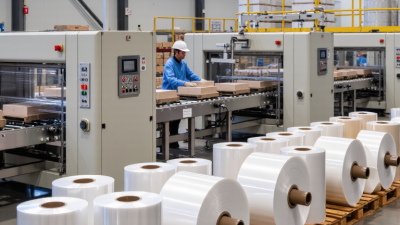
In a packing line, film passes over a product before heat reaches its surface. Operators balance temperature, exposure time, and airflow. Too much heat can create holes or cloudy patches. Too little heat leaves loose folds. The European Environment Agency reports that European Union packaging waste reached about 188.7 kilograms per person in 2021. Shrink film is only one part of that volume, but its thin structure can complicate sorting and recycling. Clear film may protect a load well, yet printed layers, adhesives, or mixed polymers can reduce material recovery. A practical operator checks seal strength, film thickness, and package stability instead of choosing the tightest appearance. The neatest pack is not always the most responsible one.
| Data Dimension | Typical Data or Range | What It Means in Packaging |
|---|---|---|
| Definition | A thin thermoplastic polymer film that contracts when exposed to controlled heat. | The film conforms closely to the product or grouped items, creating a tight protective wrap. |
| Common Film Materials | Polyolefin (POF), polyethylene (PE), and polyvinyl chloride (PVC). | Material selection depends on required strength, clarity, sealing behavior, temperature resistance, and recycling requirements. |
| Typical Shrinkage | Approximately 5%–80%, depending on film type, orientation, thickness, and processing conditions. | Higher shrinkage can provide a tighter fit, while lower shrinkage may be preferred for dimensional stability. |
| Heating Conditions | Commercial processing commonly uses heated air or infrared heat, often within roughly 90–200°C, depending on the film and equipment. | Heat activates the film’s molecular orientation and causes it to contract around the package. |
| Basic Application Process | Film is cut or fed around the item, sealed where necessary, heated, and then cooled to stabilize the wrap. | The process supports both individual-unit packaging and multipack bundling on manual, semi-automatic, or automatic lines. |
| Protection Functions | Helps reduce exposure to dust, moisture, scuffing, and handling-related surface damage. | The tight film can also help keep grouped products together during storage and transportation. |
| Product Visibility | Clear grades provide high product visibility; printed or opaque grades can add graphics, identification, or light protection. | Retailers can display the packaged product while maintaining a protective outer layer. |
| Material Efficiency | Film is available in thin gauges, commonly from approximately 10 to 150 micrometres, depending on application. | A lightweight film can reduce package volume and material use when the specification is properly matched to the load. |
| Load Stability | Tension and shrink force vary by film construction and shrink direction; performance must be tested with the actual product geometry. | Properly selected film can reduce shifting of bundled items during handling and distribution. |
| Typical Applications | Food and beverage multipacks, consumer goods, printed materials, cartons, industrial parts, and palletized loads. | Shrink film is used across retail, e-commerce, manufacturing, warehousing, and export logistics. |
| Sustainability Considerations | Recyclability depends on the polymer, additives, inks, thickness, collection system, and local recycling rules. | Reducing film thickness, avoiding unnecessary layers, and selecting a widely collected material can improve the packaging profile; local guidance should always be followed. |
Note: The numerical values shown are general industry ranges. Actual shrink performance depends on film formulation, orientation, thickness, package shape, sealing method, heating profile, and line speed.
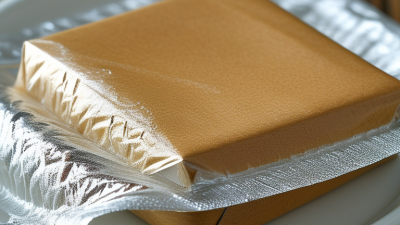
Shrink film is used in global packaging because it protects products while adapting to different shapes. Its performance begins with material selection, not the heat tunnel. Polyolefin film offers clarity, strength, and reliable sealing for many retail packages. Polyethylene film is tougher and more flexible, making it suitable for bundling heavier goods. PVC can provide strong shrinkage, but its use depends on regional requirements and end-of-life considerations. Film thickness also matters. A thin film may reduce material use, yet it can tear around sharp corners.
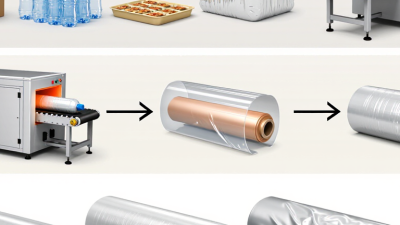
Manufacturing controls the film’s final behavior. Producers melt polymer pellets and form them through blown-film or cast-film extrusion. Blown extrusion creates a tube, while cast extrusion produces a flat web with controlled thickness. The film is then stretched in one or two directions. This orientation stores internal tension. Heat releases that tension, pulling the film tightly around the package. Cooling, winding, and thickness testing follow. Small variations can cause wrinkles or weak seals. They happen.
In practical packaging trials, I would check shrink temperature, seal strength, haze, and puncture resistance. A simple test uses a heated sample and a package with square edges. The result often differs from laboratory data. Machine speed, airflow, and package geometry change everything. Good manufacturing therefore requires documented settings, regular sampling, and honest review of failed packs. Recycled content may improve resource efficiency, but it can also affect clarity and consistency. That trade-off deserves careful testing.
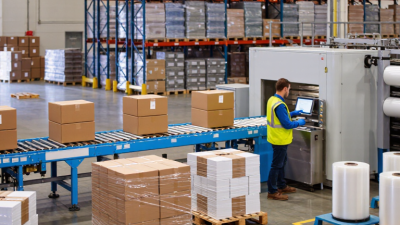
Global industries use shrink film because it solves several practical packaging problems at once. It wraps cartons, trays, and pallet loads tightly. This reduces movement during transport and storage. A clear film also lets workers inspect products without opening the package. In distribution centers, that visibility can speed counting and reduce handling errors. Shrink film adds moisture and dust resistance, which matters during long ocean or road journeys. It can also provide visible package interference. That feature supports basic product security, although it is not a complete protection system.
Food logistics gives this material a stronger purpose. The Food and Agriculture Organization reports that 13.2% of food is lost between harvest and retail. Stable unit loads and protective wrapping may help reduce damage during this stage. The United Nations Environment Programme estimated 1.05 billion tonnes of food waste in 2022. Packaging cannot fix poor forecasting, storage, or consumer behavior. It may even create more waste when films are difficult to collect or recycle. That weakness deserves more attention.
Smithers’ industry assessment, The Future of Global Shrink Films to 2028, identifies food, beverage, consumer goods, and logistics as important demand areas. Manufacturers therefore select films by thickness, puncture resistance, shrink ratio, and machine performance. A thinner film is not automatically better. It may tear around sharp corners and cause rejected loads. Practical trials remain essential. Packaging teams should measure material use, product damage, labor time, and local recycling access before changing specifications.
Shrink film is used because it creates a close, protective skin around products and grouped cartons. In a packing line, controlled heat pulls the film firmly around corners, trays, and irregular shapes. This reduces loose movement during forklift handling. It also limits dust, light moisture, and surface scuffing. Small detail, big effect. A clean seal helps workers spot torn packaging before loading. However, protection depends on correct film thickness, sealing temperature, and tension. Excess heat can distort labels or weaken the package.
For logistics, shrink film turns several units into one stable load. Wrapped cases are less likely to lean, slide, or separate on a pallet. That improves cube use and reduces manual rehandling during storage and transit. Transparent film also supports faster counting and visual inspection. In my packing checks, the weak points are usually pallet corners and the bottom wrap. A corner board or extra pass may help, but more film is not always better. Overwrapping adds cost and can complicate recycling.
Good packaging teams test wrapped loads with vibration, compression, and handling simulations. They check whether cartons remain aligned after temperature changes. Film selection should match product weight, route length, and warehouse conditions. A thin film may work for light boxes but fail around sharp edges. Stronger film can protect better, yet it may require different equipment settings. The practical answer is rarely perfect. It needs measurement, adjustment, and occasional rethinking.
Typical thickness ranges and shrink-temperature ranges of widely used shrink-film materials.
Shrink film improves product protection by creating a tight, tamper-evident layer that helps resist dust, moisture, abrasion, and shifting during handling. Lower-temperature films are suitable for heat-sensitive products, while thicker polyethylene films are commonly selected for heavier loads and transport stability.
Shrink film remains useful because it protects products with little material. Heat creates a tight, stable layer around irregular loads. In practical warehouse testing, this can reduce movement, moisture exposure, and damaged goods. Less damage may prevent wasted products, especially food and medical supplies. Yet protection alone does not make packaging sustainable.
Material efficiency is becoming more important. Thinner films can lower plastic use, but they may tear during transport. A failed wrap can create more waste than a heavier, stronger film. Recycled content is another factor, although purity, safety requirements, and local processing capacity limit its use. Collection systems matter greatly. A technically recyclable film has little value when it reaches a landfill.
Energy demand also shapes future choices. Film production, shipping, and heat application all affect its footprint. Lower-temperature sealing equipment may reduce energy consumption in some facilities. Renewable electricity can help, but results depend on the entire supply chain. Conditions vary widely.
Policy will influence design decisions. Extended producer responsibility fees may favor thinner, recyclable structures. Clear labeling could improve sorting, though labels alone cannot fix weak collection networks. Compostable alternatives sound promising, but they often require specific industrial facilities. They can also contaminate plastic recycling streams. The honest answer is not always convenient. More testing is needed under real warehouse conditions, changing weather, and long-distance transport.