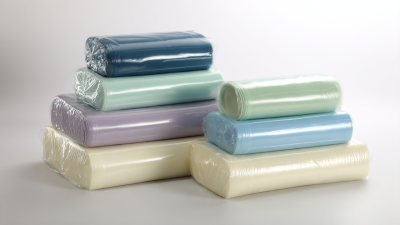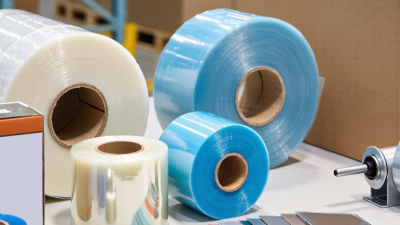
Shrink Film Packaging is not one material or one machine setting. It is a family of packaging options that respond differently to heat, handling, product shape, and display needs. A clear sleeve around a beverage multipack behaves differently from a tight film wrapping a tray of fresh produce. Choosing well means looking beyond appearance. Film thickness, shrink direction, seal strength, clarity, and compatibility with the product all matter.
This guide examines the top types of shrink film packaging, including polyolefin, PVC, and polyethylene films. Each offers trade-offs. Polyolefin is often selected for clear retail wrapping; polyethylene is commonly used for heavier bundles and multipacks. The right choice depends on product weight, line speed, storage conditions, and the finish customers expect. A test run can reveal issues that a specification sheet may miss. Small wrinkles matter. So can a weak seal.
I can’t responsibly attribute a quotation to a named industry expert without a verifiable source. Instead, this guide uses a practical rule of thumb: “The best film is the one that protects the product and runs reliably on the packaging line.” Treat that as editorial guidance, not a sourced expert quotation. It is also an incomplete rule; cost, recyclability, and local equipment constraints deserve equal attention.

Polyolefin shrink film earns its place through a useful balance of clarity, strength, and flexibility. It tightens around products with heat, leaving a smooth, close-fitting finish that helps keep multipacks together and protects items from dust and handling. On a packing line, its soft, clear surface can show labels and product details without adding a bulky outer box. It is commonly available in different thicknesses, so a packer can match the film to product weight and handling needs. Thinner is not always better; sharp corners can puncture a light gauge.
The market context is substantial. PlasticsEurope’s Plastics – the Fast Facts 2024 report estimates that 413.8 million tonnes of plastics were produced worldwide in 2023. Packaging is one of the sector’s major applications, but those figures do not measure polyolefin shrink film alone. That distinction matters. Film performance depends on the resin formulation, package shape, sealing quality, and heat settings. A poorly tuned tunnel can leave wrinkles or uneven shrink, even with suitable film.
Recycling also deserves a careful look. Eurostat reported that the EU generated 36.1 kilograms of plastic packaging waste per person in 2022, and recycled 41 percent of it. Those figures cover plastic packaging broadly, not just shrink film. Polyolefin’s material family may fit some recycling streams, but collection and sorting systems vary. Check local guidance and test the complete package, including labels and trays. It is versatile. It is not a universal fix.
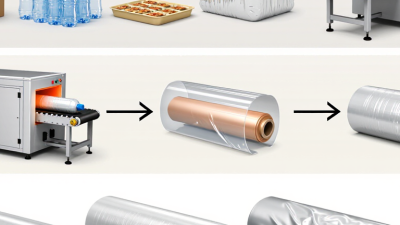
Polyethylene shrink film is a practical choice when a package needs to hold bulky or irregular loads together. Heat draws the film tightly around cartons, lumber bundles, or stacked building materials. The result is a close-fitting layer that helps limit dust, light moisture, and scuffing during handling. It is not a substitute for weatherproofing or careful load design.
The Flexible Packaging Association’s 2023 State of the Industry report valued U.S. flexible packaging sales at about $42.9 billion in 2022. That figure covers many formats, not shrink film alone, but it shows the scale of flexible packaging in supply chains. For larger loads, polyethylene film is commonly selected for its toughness and ability to form a secure wrap. Operators should match film thickness and shrink settings to the load; excessive heat can distort products or weaken the package. Small details matter.
A wrapped pallet should be checked at its corners and base, where tears can start under fork handling. Film that is too thin may puncture on sharp edges, while overly tight wrapping can crush softer cartons. PE film may be recyclable where suitable collection programs accept it, but contamination and mixed materials can interfere. Clean, separated film is easier to recover. Still, recycling access varies, and that part deserves more attention than it often gets.
| Film Type | Typical Characteristics | Common Applications | Key Advantages | Considerations |
|---|---|---|---|---|
| Polyethylene (PE) | Usually thicker and more flexible than PVC or polyolefin shrink films; commonly supplied as shrink film or shrink bundling film. | Bundling beverage cases, lumber, building materials, and other large or heavy loads. | Good strength and puncture resistance; suitable for consolidating multiple items into a stable load. | Often requires higher shrink temperatures and heavier-duty equipment than thinner packaging films. It is not typically chosen when a very clear, tight retail finish is the main priority. |
| Polyolefin (POF) | Thin, clear shrink film commonly available in center-folded rolls and single-wound formats. | Retail products, books, toys, cosmetics, and multipacks of smaller consumer goods. | Good clarity and a neat package appearance; can be used with a range of automatic and semi-automatic equipment. | Generally better suited to light or medium products than to very large, heavy loads that need substantial bundling strength. |
| Polyvinyl Chloride (PVC) | Clear shrink film that shrinks readily under heat; available in several film formats. | Some retail goods, gift items, and lightweight products. | Can provide a close-fitting presentation for compatible products and packaging equipment. | Film selection, ventilation, and process settings matter. PVC may release fumes during sealing or heating, so appropriate equipment and ventilation are important. |
| Cross-Linked Polyolefin | Polyolefin film modified through cross-linking to improve toughness and performance in demanding applications. | Retail and industrial products that need added resistance to punctures or handling damage. | Can offer improved durability compared with standard polyolefin film while retaining good package clarity. | Usually costs more than standard film and may require settings matched to the film specification and packaging line. |
| Perforated Shrink Film | Shrink film with small holes that allow air to escape during the shrinking process. | Products or bundles where trapped air could affect the final package shape. | Perforations can help reduce air pockets and support a closer, more consistent wrap. | Hole size and spacing should suit the product and process; excessive or poorly positioned perforations can affect package appearance or protection. |
PVC shrink film is often chosen when a product needs a clear, close-fitting retail wrap. Its transparent surface lets shoppers see colors, labels, and small details without opening the package. A neatly shrunk sleeve can also help keep dust and light handling away from the item.
The finish depends on the film, the product shape, and the heat process. A skilled operator checks temperature and line speed, then looks for wrinkles, cloudy patches, or loose edges. Small bottles and boxed goods may need different settings. Details matter.
PVC can suit many retail displays, but it is not right for every product or packaging goal. Heat-sensitive items may need another material or a gentler process. Disposal options also vary by local collection systems, so packaging teams should check before making recycling claims. One practical step is to test a sample under real store lighting and handling conditions. It may look perfect on a workbench, then reveal flaws under bright shelf lights. That happens. A careful trial can catch those issues before a full production run.
Typical thickness ranges vary by product and application. PVC and polyolefin films are commonly available in thinner gauges, while polyethylene shrink film is often used at greater thicknesses for heavier-duty packaging. These ranges are general examples, not product specifications.
Shrink sleeve film wraps around a container and forms a label across much of its surface. Heat makes the printed film contract to the package’s shape. The result can cover curves, shoulders, and recessed areas that flat labels may not reach. A bottle with a narrow neck and wider base, for example, can carry one continuous design from top to bottom.
This full-body coverage gives designers room for product details, clear instructions, and strong shelf visibility. A sleeve can also fit containers with unusual shapes without requiring a large flat label panel. But the fit needs careful testing. Film type, thickness, package material, and heating conditions all affect how smoothly the sleeve shrinks. Poor control may cause wrinkles, distortion, or misaligned graphics. Small test runs help reveal these issues before production scales up.
Sleeves can be made with perforations for easier removal, though consumers may not notice them right away. That is worth checking with real users. The extra coverage also means more printed film around the package, so material choices and disposal instructions deserve attention. A well-designed sleeve balances appearance with legibility, a secure fit, and practical handling. It is versatile, not effortless.
Specialty shrink films solve packaging problems that standard films may not handle well. Polyolefin film suits clear retail packs and mixed-shaped products. Cross-linked polyolefin offers added strength and resistance to punctures, useful around sharp corners. Polyethylene shrink film is thicker and more flexible, making it a common choice for bundling larger items. There is a trade-off: heavier film can improve load stability, but it also adds material.
Barrier needs call for a different choice. Shrink films with barrier layers can help limit oxygen or moisture exposure for certain foods, while perforated films let produce release moisture. Check product compatibility and the sealing process before selecting a structure. A film that looks right on a sample may wrinkle or split at full line speed. Small trials matter.
The Flexible Packaging Association’s 2024 State of the U.S. Flexible Packaging Industry report estimated the sector’s 2023 sales at $42.5 billion. That figure covers flexible packaging broadly, not shrink film alone, but it shows the scale of demand for adaptable packaging formats. Ask suppliers for gauge, seal-strength, and shrink-performance data, then test packs under actual transport conditions. Recycling suitability also varies by film structure and local collection systems. That part is easy to overlook.