How to Choose the Best Shrink Film Packaging for Your Needs?
Shrink Film Packaging plays a crucial role in the packaging industry. It provides protection while enhancing product visibility. The global shrink film market was valued at approximately $9 billion in 2021 and is expected to grow significantly in the coming years. This growth is driven by the rising demand in sectors like food and beverages, pharmaceuticals, and consumer goods.
Choosing the right shrink film is essential for optimizing both performance and cost. Factors such as material type, thickness, and application method greatly influence the packaging's effectiveness. A well-chosen shrink film can reduce waste and improve shelf life, yet many companies overlook these aspects. According to industry reports, over 30% of packaging decisions could be enhanced through better material selection.
Industry experts often emphasize the importance of assessing your specific needs. Failing to consider environmental impacts and packaging functionality can lead to inefficiencies. Many businesses are still hesitant to invest in advanced materials, which can hinder competitiveness. Understanding the nuances of Shrink Film Packaging can empower companies to make informed decisions that drive sustainability and efficiency.

Understanding the Different Types of Shrink Film Available in the Market
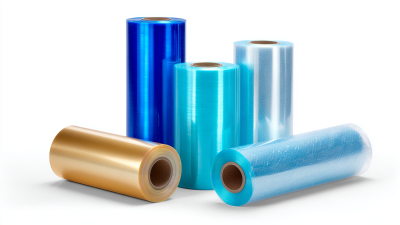
When selecting shrink film for packaging, it’s crucial to understand the various types available. Shrink films come in several materials, each with its unique properties. Polyolefin is popular for its clarity and resistance to punctures. It shrinks evenly and provides a neat finish, making it ideal for retail products. PVC offers excellent clarity as well, but it has limited temperature resistance and may not be suitable for all applications.
Another option is polyethylene, which is widely used due to its strength and affordability. It’s excellent for bundling items but may not provide the same aesthetic appeal as other types. Each type of shrink film has its strengths and weaknesses, so consider your specific needs. Think about the product you're packaging, the temperature requirements, and the desired appearance.
Finding the right shrink film requires careful examination of your product's requirements. Test different films to see which one doesn't tear easily but still provides the right amount of shrinkage. Do not overlook the importance of trial and error in this process. Packaging is often about optimizing for cost and performance, so be prepared to reflect on your choices and adjust as necessary.
Assessing Cost-Effectiveness and Environmental Impact of Shrink Films
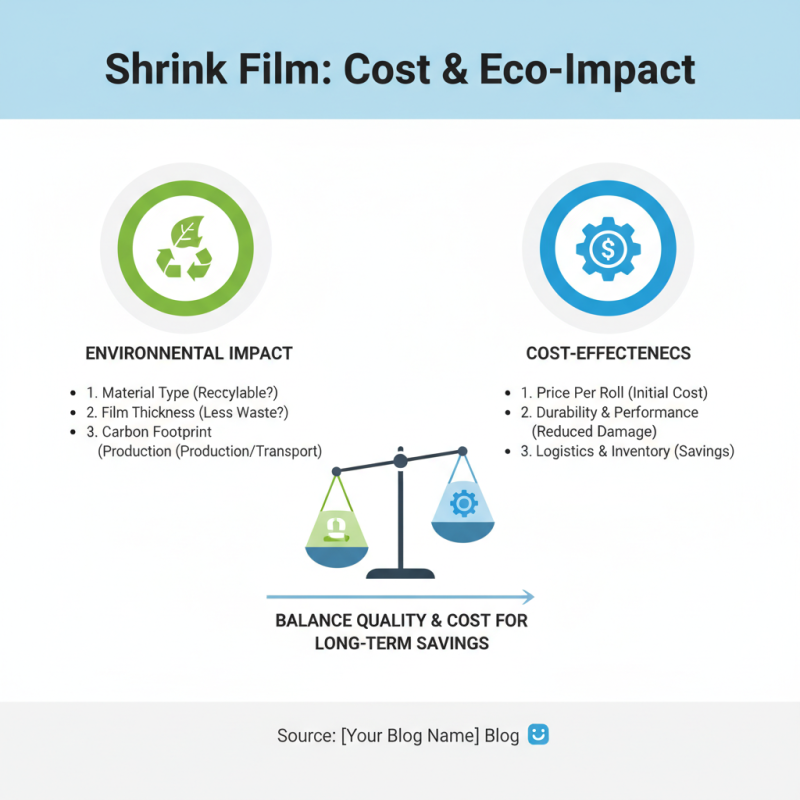
When selecting shrink film packaging, it's crucial to evaluate cost-effectiveness and environmental impact. Cost considerations extend beyond the price per roll. Assessing the durability and performance of the film can lead to savings in logistics and inventory. For instance, opting for a more robust film may reduce the risk of damage during transport. However, it’s essential to balance cost with quality. Choosing the cheapest option may not yield the best long-term results.
Environmental impact is another significant factor. Many shrink films are made from non-recyclable materials, posing challenges for sustainability. Some manufacturers now offer biodegradable alternatives. However, these may come at a higher cost. Businesses should consider whether the higher upfront expense aligns with their environmental goals. Conducting a life-cycle analysis can provide insights into the material’s overall footprint.
Evaluating these factors demands careful thought. It’s easy to get caught up in immediate costs without considering long-term consequences. Some businesses prioritize cost while neglecting eco-friendliness. Crafting a well-rounded strategy requires reflection. The goal should be to find a balance that meets the needs of the business while fostering sustainability.
Choosing the Right Thickness and Shrink Ratio for Your Products
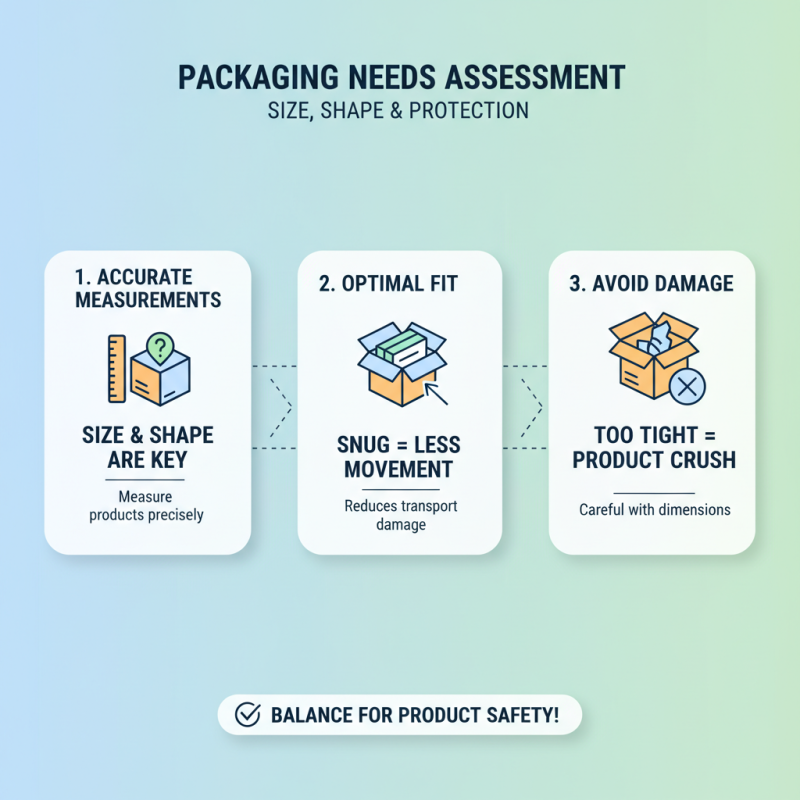
Choosing the right thickness and shrink ratio for your shrink film packaging is vital. The thickness directly impacts durability and flexibility. A thicker film generally offers more protection. However, it may not provide the same clarity as thinner options. Balance is key for product visibility and protection.
Shrink ratio refers to how much the film shrinks around the product. A higher ratio seals tightly, which is great for odd shapes. But it’s essential to test the fit. If the ratio is too high, it can lead to distortion. Not every product benefits from the same shrink ratio.
Tips: Always consider your package design and weight. Lightweight products may need less thickness. Testing different combinations helps identify the best match for your products. Monitoring how the film performs in real conditions is crucial. Don’t rush the process; it can save costs and improve your packaging strategy.
How to Choose the Best Shrink Film Packaging for Your Needs?
| Product Type |
Recommended Thickness (mil) |
Shrink Ratio |
Common Applications |
| Bottles |
60-75 |
40-50% |
Beverages, Cosmetics |
| Canned Goods |
75-100 |
30-40% |
Food Packaging |
| Electronics |
50-100 |
20-30% |
Consumer Electronics |
| Toys |
50-75 |
30-40% |
Product Bundling |
| Books |
30-50 |
20-30% |
Packaging for Bulk Shipping |
Considering Printing and Branding Opportunities with Shrink Film Packaging
Shrink film packaging presents unique branding opportunities that can greatly enhance product visibility. According to a recent market report by Smithers Pira, shrink film usage in packaging is expected to grow over 6% annually. This increase reflects the demand for visually appealing packaging that captures consumer attention. Brands can leverage shrink film's surface area for vibrant graphics, logos, and essential product information. Smaller products often benefit from this feature, making them stand out on crowded shelves.
Printing on shrink film is not just about aesthetics. It's about conveying brand value effectively. Research indicates that 70% of purchasing decisions are made at the point of sale. Therefore, using shrink film can create an eye-catching presentation that communicates a brand’s identity. Brands face challenges in achieving the right balance between eye-catching design and clarity of information. Short, impactful messaging can enhance consumer understanding.
Customization options are plentiful with shrink films, but they come with considerations. For instance, the choice of material can affect print quality and durability. Brands need to select inks and films that maintain vibrancy over time. Not all shrink films are suitable for every product, and logistical factors, including costs and environmental impact, should also be examined. This introspective approach ensures the chosen packaging aligns with values and market expectations.
Comparative Analysis of Shrink Film Types