Top Tips for Choosing the Right Shrink Packaging Roll?
When selecting a Shrink Packaging Roll, the right choice can significantly impact your products' protection and presentation. Understanding your specific needs is crucial. With a myriad of options available, making an informed decision can be challenging. Many may overlook essential factors like roll size, film thickness, and material type.
Choosing the right Shrink Packaging Roll is a blend of art and science. It's not just about aesthetics; functionality plays a vital role. The incorrect roll can lead to wasted resources and unacceptable packaging results. Consider the nature of the items being packaged. Fragile products require more durable films while delicate items need gentle protection.
Keep in mind that every product is unique. This uniqueness means that what works for one may not work for another. Professionals often learn through trial and error. Reflecting on previous experiences can guide future choices. The right Shrink Packaging Roll doesn't just protect; it elevates brand perception. Aim for a balance of cost, quality, and functionality in your selection process.

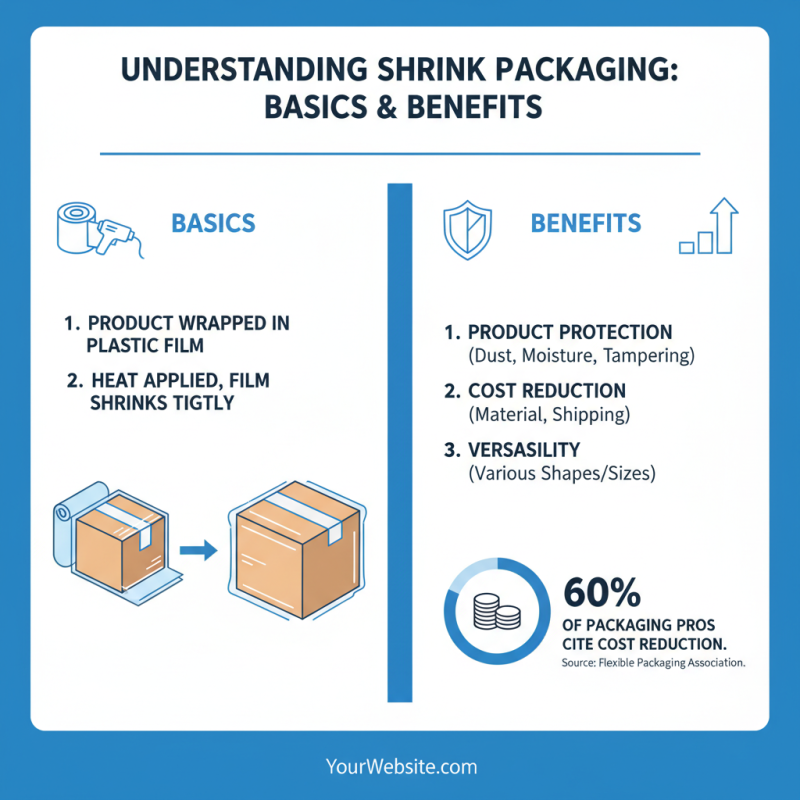
Understanding Shrink Packaging: Basics and Benefits
Shrink packaging is a versatile method widely used across industries. It entails wrapping products in plastic film, which is then heated to shrink tightly around the item. This packaging technique offers several benefits. According to a report by the Flexible Packaging Association, nearly 60% of packaging professionals cited cost reduction as a primary advantage of shrink packaging.
The energy efficiency of shrink packaging is another appealing feature. A study from the Sustainable Packaging Coalition indicates that shrink film uses 50% less material than traditional packaging, resulting in lower energy costs. Moreover, shrink wrap is lightweight, further reducing transportation costs. However, there are challenges, such as ensuring compatibility with product shapes. Poorly fitted films can lead to wasted materials and compromised product integrity.
Understanding the basics of shrink packaging helps in making informed choices. Factors like film thickness, temperature settings, and shrink ratio are critical for optimal performance. A report from Smithers Pira highlights that selecting the right shrink film can enhance shelf life and product presentation. Not all options suit every product. This variety can cause confusion and requires careful analysis.
Types of Shrink Packaging Rolls: A Comprehensive Guide
Shrink packaging rolls come in various types, each suited for specific purposes.
Polyolefin and
PVC are two popular materials. Polyolefin is known for its clarity and durability.
It provides excellent protection but may require more heat to shrink.
PVC is cost-effective and easy to use but tends to be less environmentally friendly.
Choosing the right type depends on what you're packaging. For food products, opt for materials that meet safety standards.
For retail items, clarity is crucial. Look for options that showcase your product well. However, clarity might come at the expense of strength.
This can lead to a fragile package that doesn’t hold up during shipping.
Another factor to consider is the thickness of the roll.
Thin films are lighter but might not provide adequate protection.
Thicker options ensure better durability but add weight to your package.
A balance is essential. Reflect on your needs.
What matters more, weight saving or protection?
Each decision impacts cost and effectiveness.
Key Factors to Consider When Choosing Shrink Packaging Rolls
When selecting shrink packaging rolls, understanding key factors is essential. The type of material plays a significant role. Polyolefin and PVC are two popular options. Polyolefin is widely used due to its clarity and strength. Industry reports show that 65% of retailers prefer polyolefin for its superior performance. PVC, however, is more cost-effective but can be less versatile.
Another important factor is the gauge of the shrink film. Thicker films provide better protection during shipping. A study indicates that 43% of products damaged in transit were not adequately wrapped. Choosing the right gauge can prevent this. Consider the product's weight and shape when deciding on the thickness of the film. Optimal thickness can save costs without sacrificing quality or safety.
Finally, sizing must be precise. Using the right sized roll ensures a smooth packaging process. Research highlights that 30% of packaging waste comes from improperly sized materials. Ensuring accuracy helps minimize waste and reduce costs. Pay attention to each aspect of roll selection. Mistakes can lead to inefficiencies and product loss.
Top Tips for Choosing the Right Shrink Packaging Roll
| Key Factor |
Description |
Recommendation |
| Material Type |
Choose between PVC, PE, or POF based on the product's protection needs. |
Use POF for visibility and strength. |
| Gauge Thickness |
Thickness determines durability and shrink rate. Measured in mils. |
Choose 60-100 microns for most products. |
| Shrink Temperature |
Temperature required for effective shrinking; varies by material. |
Select a roll that shrinks at a temperature suitable for your equipment. |
| Roll Width |
Width must match the product dimensions for complete enclosure. |
Measure your product and add extra for sealing. |
| Environmental Conditions |
Consider moisture, UV light, and temperature fluctuations. |
Use UV-resistant film for sunlight exposure. |
| Cost |
Budget considerations based on quality and quantity needed. |
Compare suppliers for the best price-quality ratio. |
Assessing Size and Dimensions for Optimal Shrink Packaging
When selecting shrink packaging rolls, size and dimensions play a crucial role. Measure your product accurately. Consider both height and width. A roll too small won’t cover the item fully. Conversely, a roll that's too large can result in excessive waste. Finding that sweet spot can be challenging. Each product has unique requirements. It’s essential to account for variances in shape and weight.
Testing various sizes is recommended. A trial run can help determine the best fit. Observe how the packaging adapts during the shrink process. If you find discrepancies, adjust your measurements. Don't hesitate to seek expert guidance. Consulting with professionals can save both time and materials. Evaluate how the roll affects the presentation of your product. A well-fitted package enhances its appeal and safeguards it from damage.
Think about storage as well. How much space do you have? Overordering can lead to clutter and complications. Making informed decisions requires careful consideration. Not every solution works for every instance. Learn from both successes and mistakes in your packaging journey. Adapting your approach as needed is key to achieving optimal results.
Evaluating Material Quality and Compatibility for Shrink Wraps
When selecting shrink packaging rolls, evaluating material quality and compatibility is crucial. Various materials, such as polyolefin and PVC, offer distinct benefits. Polyolefin is often preferred for its clarity and strength, making it ideal for retail packaging. A report by Smithers Pira indicates that polyolefin wraps have a growth rate projected at 4.5% annually due to increased demand in the food industry.
Compatibility also plays a significant role. Not all shrink films work well with every product. For example, some materials may not withstand high temperatures during the shrinking process. This could result in package failure. Research shows that improper material selection can lead to a 10% increase in packaging waste. Brands need to understand the specifics of their product's shape and size to choose the right wrap.
Another point of reflection is sustainability. Eco-friendly films gain popularity but often face performance trade-offs. Some biodegradable options may not shrink as effectively as traditional materials. Yet, a survey by Packaging Insights reveals that over 70% of consumers prioritize sustainable packaging. Companies must balance environmental concerns with practical packaging needs to remain competitive in the market.
Material Quality Evaluation for Shrink Packaging Rolls