Leave Your Message
Global buyers are asking a sharper question: what makes a Shrink Packaging Roll truly reliable across markets?
The answer is not simply low price. A dependable roll must provide stable shrink performance, clean sealing, strong clarity, and consistent gauge. It must also survive long transport, changing warehouse temperatures, and high-speed packaging lines. Small defects matter. A weak edge can create wrinkles, film breaks, or damaged labels.
Smithers’ The Future of Global Packaging to 2028 reports continued growth in flexible packaging, driven by convenience, transport efficiency, and material reduction. Grand View Research also identifies shrink film as a growing packaging segment, supported by food, beverage, and consumer-goods demand. These reports reveal opportunity, but they do not remove practical uncertainty. Regional recycling systems, machine settings, and product shapes still influence the final choice.
Dr. Susan Selke, a respected packaging scholar and author, has stated, “Packaging is an integral part of the product.” Her point is important for global sourcing. A Shrink Packaging Roll should be evaluated as part of a complete packaging system, not as an isolated film specification.
No roll is perfect.
A strong purchasing decision compares shrink ratio, thickness tolerance, puncture resistance, sealing behavior, printability, and available technical support. It also checks documented quality controls, material declarations, and testing records. Sustainability claims need evidence, not attractive language. A thinner film may reduce material use, yet poor performance can increase waste. That contradiction deserves attention before any large-volume contract is approved.
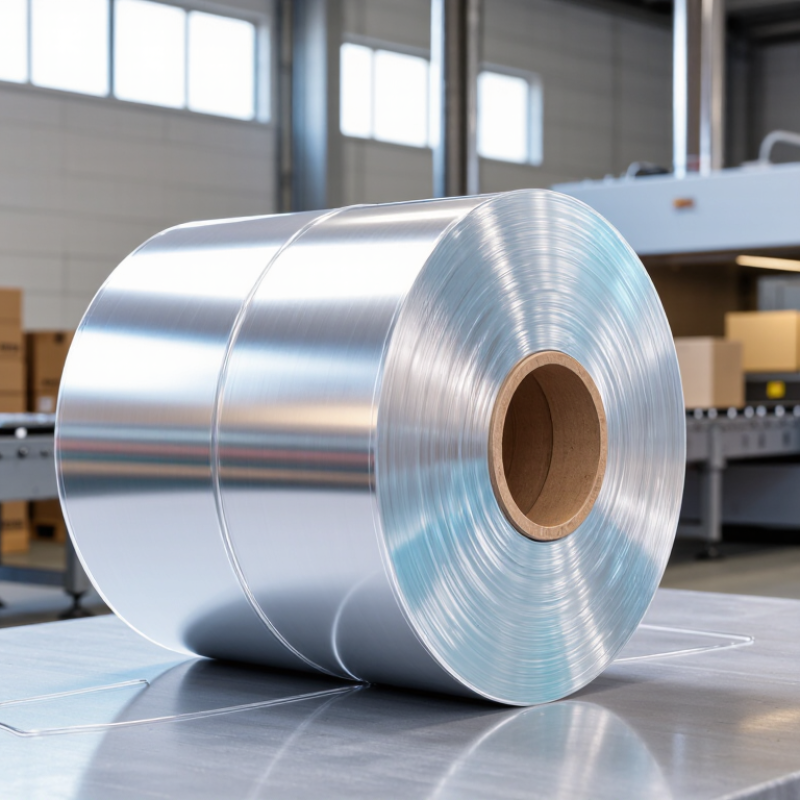
A shrink packaging roll is a continuous film wound around a core. It protects products by tightening around them when heated. Common materials include polyethylene, polyolefin, and PVC-free alternatives. Each material behaves differently during sealing and shrinking. Thickness, width, transparency, and shrink ratio must match the product and equipment.
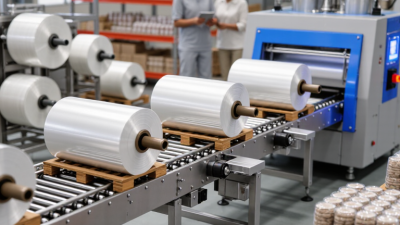
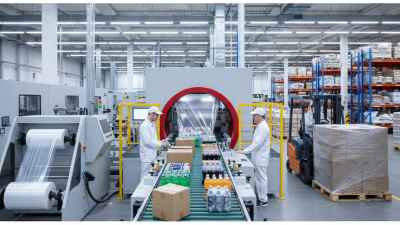
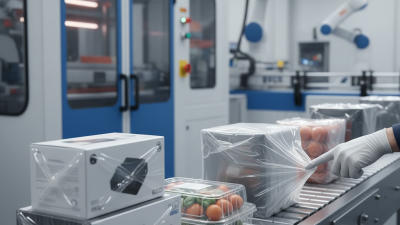
The process is simple but requires control. A machine unwinds the roll and wraps the item. A sealing bar closes the film, creating a clean edge. Heat then passes through a tunnel or chamber. The film contracts and follows the product’s shape. Controlled temperature matters. Excessive heat can cause holes, wrinkles, or uneven tension. Insufficient heat leaves loose film and weak seals. It is not magic.
For global buyers, the top shrink packaging roll is not always the thickest or cheapest option. A reliable choice should offer stable thickness, consistent shrink performance, strong seals, and clear technical data. Buyers should check core size, roll length, packaging conditions, and compatibility with existing machines. Samples should be tested with real products, including corners, handles, and irregular surfaces. A perfect-looking sample can still fail during long production runs. This is where careful inspection matters. Storage also affects results; moisture, sunlight, and high temperatures may weaken the film. Certification and transport documents should match the destination market’s requirements. Small measurement errors can create large material waste.
| Shrink Film Type | Common Polymer | Typical Thickness | Typical Shrinkage | Common Sealing or Shrinking Temperature | Main Applications | Key Advantages | Important Buyer Considerations |
|---|---|---|---|---|---|---|---|
| Polyolefin Shrink Roll | Polyolefin, commonly multilayer polyethylene-based structures | 12–25 microns | Typically 40–75%, depending on direction and film grade | Usually shrinks in approximately 120–160°C equipment zones | Food packs, household products, printed cartons, retail multipacks and general consumer goods | Good clarity, balanced strength, reliable sealing and broad product compatibility | Check film gauge, shrink balance, seal strength, puncture resistance and machine compatibility |
| PVC Shrink Roll | Polyvinyl chloride | 20–50 microns | Approximately 40–60%, depending on film construction | Often processed at lower temperatures than many polyolefin films | Small retail items, stationery, gift products and some non-food applications | High clarity, good presentation and relatively easy processing on suitable equipment | Requires careful regulatory review because chlorine-containing materials may face recycling, disposal or food-contact restrictions in some markets |
| Polyethylene Shrink Roll | Low-density polyethylene or polyethylene blends | 40–150 microns | Typically 20–80%, depending on grade and orientation | Commonly processed at approximately 120–180°C | Heavy products, beverage multipacks, construction materials, industrial bundles and transport packaging | High toughness, strong puncture resistance and suitability for heavier loads | Usually has lower optical clarity and requires more heat energy than thin retail films; select the correct gauge for load weight |
| Center-Fold Shrink Roll | Polyolefin, polyethylene or other shrink-film structures | 12–150 microns | Determined by the film material and orientation | Depends on the selected film and shrink tunnel settings | Automatic L-sealer lines, carton wrapping and high-volume product packaging | Convenient folded format can improve feeding speed and reduce manual alignment | Confirm roll width, folded depth, core size, roll length and compatibility with the sealing machine |
| Single-Wound Shrink Roll | Polyolefin or polyethylene | 12–150 microns | Determined by film grade and machine direction | Depends on resin type, thickness and equipment design | Automatic wrapping systems, sleeve applications and custom packaging lines | Flexible format for equipment configured for single-layer film feeding | Verify winding direction, film width, roll diameter, core dimensions and unwind tension |
| Perforated Shrink Roll | Usually polyolefin or polyethylene | Varies by base film and perforation pattern | Comparable to the selected base film when perforation is properly designed | Depends on the base film and the perforation density | Products that require trapped-air release, faster shrinking or improved package ventilation | Can reduce air pockets and improve package conformity around irregular shapes | Perforation size and spacing affect strength, appearance, moisture protection and tear propagation |
| High-Barrier Shrink Roll | Multilayer polymer structure with barrier layers | Typically 40–150 microns | Film-specific; generally lower or more controlled than standard high-shrink films | Must follow the supplier’s validated temperature window | Products requiring improved oxygen, moisture, aroma or contaminant protection | Improved shelf-life protection and stronger packaging performance for sensitive goods | Barrier layers can make recycling more difficult; confirm food-contact status, storage conditions and end-of-life requirements |
| Printed Shrink Roll | Polyolefin, polyethylene or PVC, depending on application | Typically 20–100 microns | Must be matched to the print design and shrink direction | Depends on the base film and printing process | Brand-free product information, regulatory text, handling instructions and decorative packaging | Supports product communication and improves shelf visibility without using separate labels | Allow for shrink distortion, confirm ink adhesion, define color standards and check whether printed film affects recyclability |
| Food-Contact Shrink Roll | Commonly compliant polyolefin or polyethylene structures | 12–100 microns | Film-specific, commonly 30–75% | Must be set according to the film’s food-contact specification | Food multipacks, bakery products, fresh produce trays and secondary food packaging | Can provide clean presentation, unitization and protection from handling contamination | Request food-contact documentation for the destination market and confirm that inks, additives and adhesives meet applicable rules |
| Heavy-Duty Shrink Roll | High-strength polyethylene or reinforced multilayer film | 80–200 microns | Usually controlled shrinkage designed for load stability | Often processed around 130–180°C, depending on film design | Large cartons, pallets, building materials, furniture components and industrial products | High load retention, puncture resistance and protection during transport | Evaluate tensile strength, tear resistance, load dimensions, corner protection and required shrink-tunnel capacity |
| Recyclability Consideration | Film-specific; mono-material polyethylene structures are generally easier to sort and recycle than mixed structures | Depends on required strength and performance | Depends on polymer orientation and formulation | Use the supplier’s validated processing range | Markets with plastic collection, sorting and recycling requirements | Supports more informed packaging decisions and may reduce end-of-life complexity | Recyclability depends on local collection systems, film composition, additives, inks, labels and contamination. Always confirm local regulations and accepted materials. |