What Are the 2026 Top Shrink Wrap Types?
What are the 2026 top shrink wrap types? This question matters to retailers, manufacturers, warehouses, and small businesses choosing dependable packaging. Shrink film can protect products from dust, moisture, abrasion, and loose handling. However, no single material fits every application. Product shape, sealing equipment, storage conditions, appearance, and disposal goals all influence the decision.
This guide examines leading options, including polyolefin, polyethylene, PVC, recyclable films, and specialty high-performance structures. Polyolefin often suits retail products because it offers clear presentation and reliable shrinking. Polyethylene provides greater strength for bundled goods, cartons, and heavier loads. PVC may still appear in selected applications, but users should examine handling requirements and environmental expectations carefully. The repeated phrase “Shrink Wrap Shrink Wrap” may look unusual, yet it reflects how buyers search for this packaging topic online.
Real packaging experience shows that film selection involves more than thickness. A thin film can fail around sharp corners. Excessive heat can distort labels or damage sensitive products. A poorly adjusted sealing bar may create weak seams, wrinkles, or burn marks. These details are easy to overlook.
The 2026 market also brings stronger interest in material efficiency, recycled content, and responsible end-of-life planning. Claims about recyclability should be verified through supplier documentation and local waste systems. Performance data can vary between brands. That deserves honest attention. This overview compares practical strengths, limitations, equipment compatibility, and cost considerations, helping readers make a better-informed choice rather than following a fashionable material trend.
What Shrink Wrap Is and How It Works
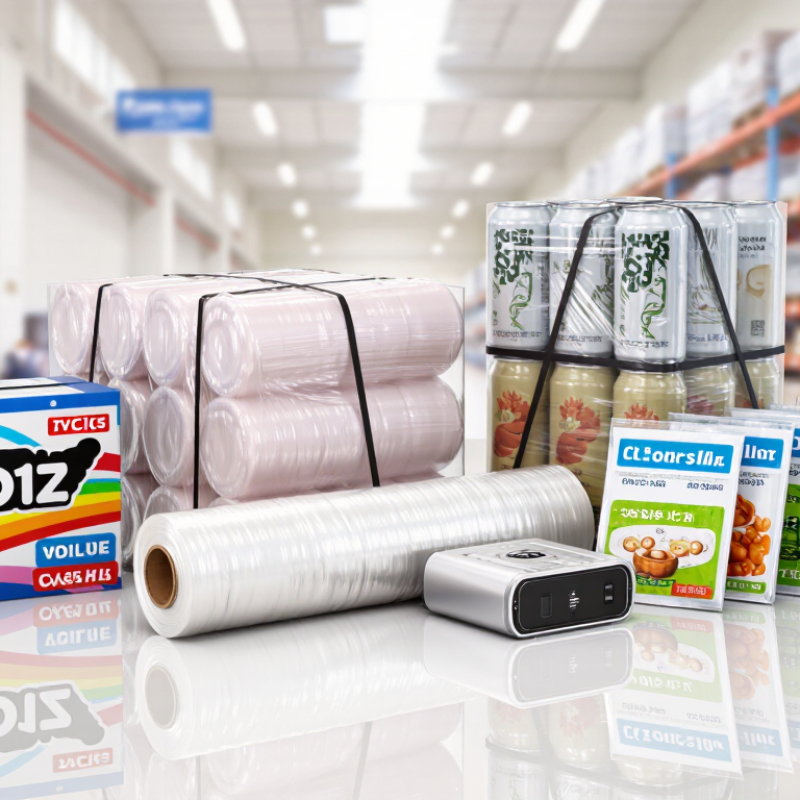
Shrink wrap is a thin polymer film that tightens around an object when heated. It creates a close, protective layer. The film is not ordinary plastic.
During manufacturing, the material is stretched in controlled directions. Heat releases this stored tension, causing the film to contract. This process is called heat shrinking. Air removal is not the main mechanism. The film simply follows the product’s shape.
In 2026, polyethylene, polyolefin, and PVC remain important shrink wrap types. Polyethylene is strong and suitable for heavier bundles, cartons, and outdoor handling. Polyolefin usually offers clear presentation and balanced puncture resistance. PVC can shrink easily, but its handling requirements deserve careful review. Film selection depends on product weight, surface shape, sealing equipment, and storage conditions.
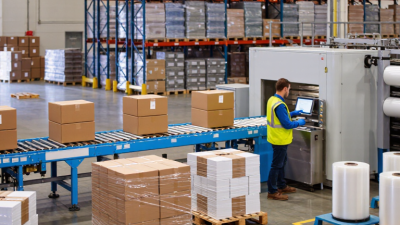
The working process is practical. A worker places film around the item and seals the open edges. A heat gun or tunnel then applies controlled heat. The film contracts around corners, handles, and uneven surfaces. Cooling helps stabilize the package. Too much heat can create holes, wrinkles, or product damage. Too little heat leaves loose areas.
I have seen packaging improve after adjusting temperature by only a small amount. Small errors matter. Product testing should include sharp edges, vibration, humidity, and repeated handling. Film thickness also affects performance. Thicker does not always mean better.
Shrink wrap can reduce loose packaging materials, but it is not automatically sustainable. Recyclability depends on the film type, local collection systems, and contamination levels. Clear specifications and verified trials are more reliable than attractive claims.
How Shrink Wrap Types Are Classified in 2026
Classification in 2026 usually starts with resin family: polyolefin, polyethylene, and PVC, although PVC is declining in many sustainability-focused applications. Polyolefin film offers clear presentation and balanced strength for retail packs. Polyethylene film suits heavier cartons, pallets, and irregular loads. Material choice affects sealing temperature, puncture resistance, recyclability, and total film use.
A second classification considers film structure. Single-layer films are easier to identify and process. Multi-layer films can combine stiffness, barrier performance, and stronger seals. However, recycling decisions become less straightforward. Films are also grouped by delivery format, including centerfold rolls, single-wound rolls, bags, sleeves, and preformed hoods. End use creates another layer: food-contact packaging, warehouse bundling, retail presentation, and machine-applied pallet wrapping. These categories overlap. Quick comparisons can be misleading.
Tips: Check the resin type, thickness, shrink ratio, sealing range, and equipment settings. Test a small batch with real cartons, sharp corners, and storage conditions. A film that shrinks tightly in a demonstration may tear during transport. Record failed seals and cloudy areas, not only successful packs. That imperfect data can reveal the right type faster. In 2026, using less material matters, but dependable containment matters more.
Polyolefin Shrink Film for Versatile Product Packaging
Polyolefin shrink film is becoming a practical choice for versatile product packaging. Grand View Research valued the global shrink film market at about $9.49 billion in 2023. It also projects growth of roughly 5.4% annually through 2030. Polyolefin contributes to this demand because it handles food packs, retail cartons, cosmetics, and industrial bundles with consistent clarity.
It seals tightly. It also resists tearing during transport. A thinner POF film can reduce material use, but only when the package remains stable. That detail matters. Poor sizing may create wrinkles, weak seals, or unnecessary waste. Packaging engineers should test film thickness, shrink temperature, seal strength, and tunnel speed on the actual production line. Laboratory results alone can mislead.
Smithers’ market analysis emphasizes efficiency, downgauging, and recyclable packaging structures as major shrink-film development themes. Still, “recyclable” depends on local collection and processing systems. POF should not receive automatic sustainability claims. Clear disposal guidance is more reliable. In my experience, transparent film also improves shelf visibility, especially around colorful boxes and irregular shapes. Yet excessive gloss can expose scratches and handling marks. A balanced specification usually performs better than the thinnest option.
PVC Shrink Film for Clear and Cost-Effective Presentation
What Are the 2026 Top Shrink Wrap Types?
PVC Shrink Film for Clear and Cost-Effective Presentation
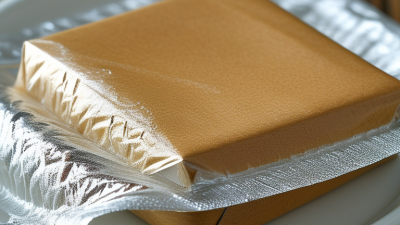
PVC shrink film remains a practical choice for clear product presentation in 2026. Its smooth surface helps customers inspect boxes, gift sets, and small retail items before purchase. The material usually shrinks evenly when heat is applied correctly. That creates a close, polished fit around products with simple shapes.
In packaging trials, film thickness should match the product’s weight and edges. Thin film can reduce material use, but sharp corners may cause tears. A medium gauge often offers better balance for daily handling. Operators should test sealing temperature, conveyor speed, and heat exposure on real products. Small adjustments matter. Excessive heat can create wrinkles, weak seams, or surface damage.
PVC film is often valued for its clear appearance and manageable cost. It can support short production runs where presentation matters. However, it is not perfect for every application. Some films may produce stronger odors during heating, and recycling options depend on local systems. That detail deserves attention before large-scale purchasing. A reliable supplier should provide technical data, sample rolls, and consistent thickness measurements. Packaging teams should also record failure rates, seal strength, and appearance after storage. Clear film looks simple, yet dependable results require careful setup and honest testing.
Polyethylene and Specialty Shrink Films for Heavy-Duty Uses
What Are the 2026 Top Shrink Wrap Types?
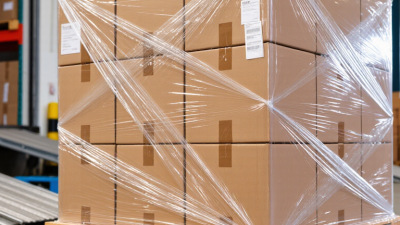
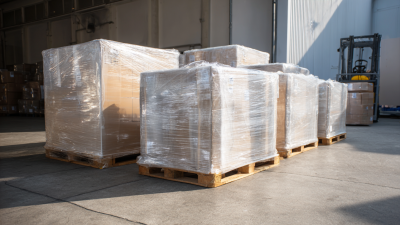
Polyethylene remains the practical choice for heavy-duty shrink wrapping. It handles irregular loads, sharp corners, and outdoor storage better than many thinner alternatives. Polyolefin film offers clarity and tighter presentation, but polyethylene usually provides greater toughness for machinery, lumber, construction panels, and palletized materials.
Grand View Research valued the global shrink films market at about USD 10.58 billion in 2023. It also projects approximately 5.5% annual growth through 2030. This expansion reflects demand for durable transport protection and material efficiency. Smithers’ flexible packaging analysis highlights PE-based mono-material structures as an important development for future recyclability. Still, film selection cannot rely on market growth alone. A thick film is not automatically safer.
Specialty shrink films add targeted performance. UV-stabilized grades help protect outdoor loads under prolonged sunlight. High-puncture formulations reduce failures around metal edges and uneven surfaces. Anti-static versions can support sensitive electrical components, while reinforced films improve containment during long-distance shipping. The OECD Global Plastics Outlook reported that only 9% of plastic waste was recycled globally in 2019. That figure makes downgauging, cleaner material structures, and documented recovery routes increasingly important. In field testing, weak corners often cause more waste than the average film thickness suggests. This is where experience matters. Load geometry, sealing temperature, storage time, and weather exposure should be tested together. No single shrink film wins every application.
What Are the 2026 Top Shrink Wrap Types?
Typical commercial thickness ranges for polyethylene and specialty shrink films used in packaging applications.
Heavy-duty polyethylene films generally use higher gauges for improved puncture resistance and load stability, while polyolefin films provide strong clarity and efficient material use. Actual specifications vary by product design, load weight, sealing method, and transport conditions.