Why Choose Stretch Film for Your Packaging Needs?
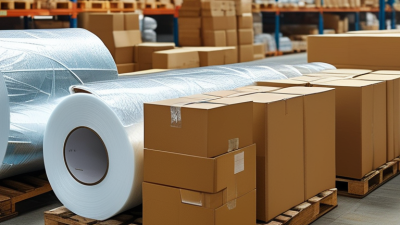
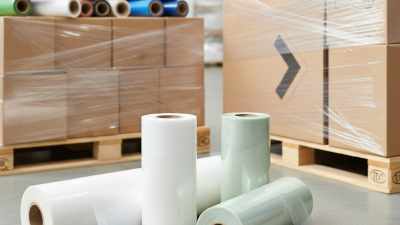
When it comes to effective packaging solutions, Stretch Film stands out as a versatile choice. This material is designed to provide optimal support while securing products for transportation and storage. Its elastic properties enable it to cling tightly to various surfaces, ensuring that items remain intact during handling.
Choosing Stretch Film not only enhances protection but also offers cost-effectiveness. It minimizes the risk of damage, which can lead to significant savings. Many businesses rely on this reliable packaging option, showcasing its broad application across various industries. While it seems straightforward, some users may overlook the importance of selecting the right type of Stretch Film for specific needs.
The production quality and thickness can greatly influence performance. It emphasizes the need for businesses to be informed and choose wisely. Understanding these factors can lead to better outcomes in packaging strategies. Stretch Film, when used correctly, can elevate the standard of safety and efficiency in logistics.
Benefits of Using Stretch Film for Packaging
Stretch film is a versatile packaging solution that offers numerous benefits for businesses. It provides excellent protection for various products during storage and transportation. The film’s elasticity allows it to conform tightly around items, keeping them secure and minimizing the risk of damage.
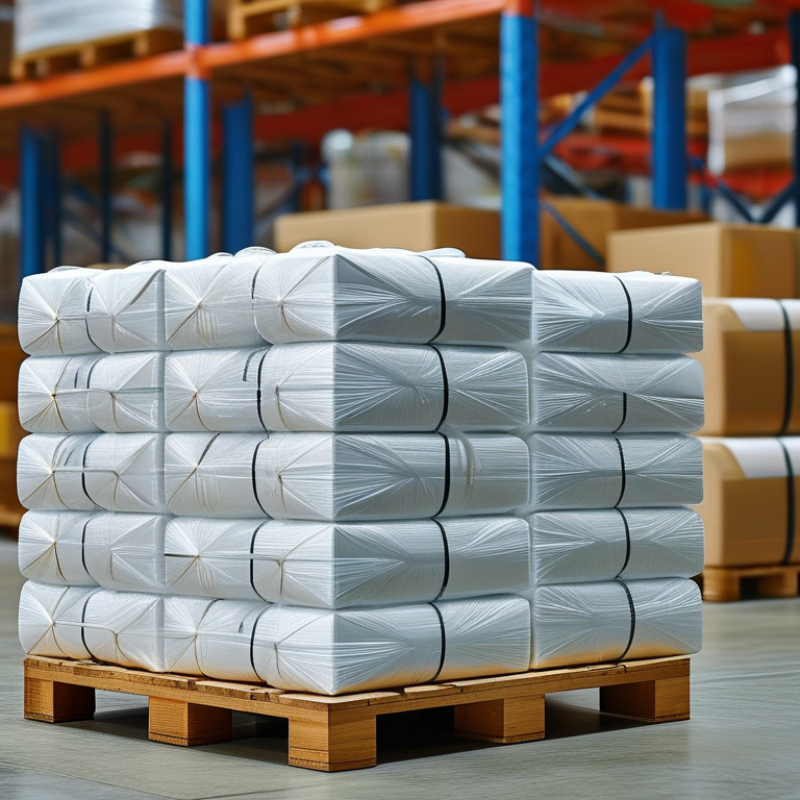
One significant advantage of stretch film is its ability to provide stability. When palleted properly, the film wraps around products tightly, preventing shifting during transit. This creates a firm grip, ensuring that products arrive in pristine condition. Additionally, stretch film is lightweight. This feature reduces shipping costs and waste, making it an environmentally friendly choice.
Tips: When using stretch film, consider the thickness based on your product’s needs. Thicker films offer more durability, while lighter ones are suitable for lighter items. Also, ensure proper tension when wrapping. Too tight may leads to tears, while too loose may not secure the load effectively.
Another notable benefit is cost-effectiveness. Stretch film is generally more affordable compared to other packaging materials. It allows for faster wrapping speeds, saving labor hours. However, businesses should reflect on usage rates. Overusing film can lead to unnecessary costs. Effective inventory management is essential to maximize savings while maintaining reliability.
Benefits of Using Stretch Film for Packaging
Types of Stretch Film Available in the Market
When considering stretch film for packaging, it's important to understand the different types available. There are two main categories:
hand stretch film and
machine stretch film.
Hand stretch film is ideal for smaller operations.
It allows workers to wrap pallets without the need for machinery. This film is lightweight and easy to handle. It comes in various thicknesses, providing choices for different applications.
Machine stretch film, on the other hand, is designed for higher efficiency. It can withstand the demands of automated processes.
This type often provides stronger tension and improved load stability. Users can choose from
pre-stretched and
cast films.
Each has unique properties suited for specific packaging requirements.
Choosing the right type of stretch film can have a big impact.
It's essential to consider the specific needs of your operation. Do you require high puncture resistance or more elasticity?
These decisions affect not only effectiveness but also cost. Reflecting on these factors can help optimize your packaging strategy.
Factors to Consider When Choosing Stretch Film
When selecting stretch film for packaging, several factors come into play. The thickness of the film is crucial. Thicker films offer more durability but can be unnecessarily heavy for light items. Conversely, a thinner film may suffice for lighter loads, but it could increase the risk of tears or punctures. Always evaluate the type of products being wrapped.
Another key consideration is the type of stretch film. There are various options, including blown and cast films, each with its own benefits. Blown films provide better puncture resistance, while cast films allow for smooth application and clarity. Understand the specific requirements of your packaging to make an informed choice.
**Tips:** Always test different stretch films before making a decision. This can help identify the right balance between cost and functionality. Consider the environmental impact as well; some films are recyclable or biodegradable. Finally, reflect on your packaging process. It might reveal areas for improvement in efficiency or waste reduction. Be open to trying new approaches that could improve your packaging strategy.
Applications of Stretch Film in Various Industries
Stretch film is widely used across various industries due to its versatility and effectiveness. In the food industry, stretch film plays a critical role in preserving freshness. It wraps meats, cheeses, and other perishables tightly. This enhances shelf life and minimizes spoilage. Properly using stretch film reduces food waste, a significant concern today.
In the manufacturing sector, stretch film is essential for securing products during shipping. Companies often utilize it to bundle items on pallets. This process prevents shifting and damage during transit. It is also lightweight, which contributes to lower shipping costs. While effective, improper application can lead to product damage. Workers need proper training to ensure its benefits are fully realized.
The retail industry also benefits from stretch film, especially for securing merchandise and displays. It is used to keep products intact and visually appealing. Yet, reliance on stretch film poses environmental questions. Not all stretch films are recyclable. Industries must reflect on their sustainability practices and explore eco-friendly alternatives.
Environmental Considerations of Stretch Film Usage
Stretch film is a popular choice for packaging due to its versatility. However, the environmental impact of its usage warrants careful consideration. Made primarily from polyethylene, stretch film can be recycled, but the rate of recycling remains low. Responsible use is essential.
When using stretch film, consider its waste management. Avoid overwrapping packages. This not only saves material but also reduces waste. Recyclable options are available. Look for manufacturers that provide information on recycling facilities. Every small effort helps.
One might reflect on their packaging habits. Are you using excess material? Streamlining your packaging can lower waste. Embrace minimalism in packaging to align your operations with eco-friendly principles. Rethinking your approach can lead to both cost savings and environmental benefits.
Why Choose Stretch Film for Your Packaging Needs? - Environmental Considerations of Stretch Film Usage
| Consideration |
Description |
Environmental Impact |
Recyclability |
| Material Attributes |
Made from low-density polyethylene (LDPE) |
Low environmental footprint during production |
Recyclable in select facilities |
| Weight Efficiency |
Lightweight yet strong |
Reduces transportation emissions |
N/A |
| Waste Reduction |
Minimizes packaging waste |
Significantly lowers landfill contributions |
Yes, when properly disposed |
| Energy Efficiency |
Requires less energy to produce than other films |
Lower overall energy costs |
N/A |
| Reusable Qualities |
Can be reused in various applications |
Promotes a circular economy |
Yes, for similar uses |