2026 Best Stretch Film Options for Global Buyers?
As global trade continues to evolve, the demand for high-quality packaging solutions grows. Stretch Film plays a crucial role in protecting goods during transit. According to Dr. Michael Anderson, a leading industry expert in flexible packaging, "Choosing the right Stretch Film can significantly impact the integrity of your shipments."
In 2026, buyers must navigate an expanding market filled with diverse Stretch Film options. Each variant offers unique benefits, but selecting the right one can be challenging. Many buyers often overlook key factors like thickness, elasticity, and UV resistance. These details can make a significant difference in performance.
It's essential to consider that not all Stretch Film is created equal. Some products may promise high durability but fail in actual performance. Researching suppliers and user reviews can aid in making informed decisions. Ultimately, the right choice ensures that products arrive intact, preserving trust with customers and partners alike.

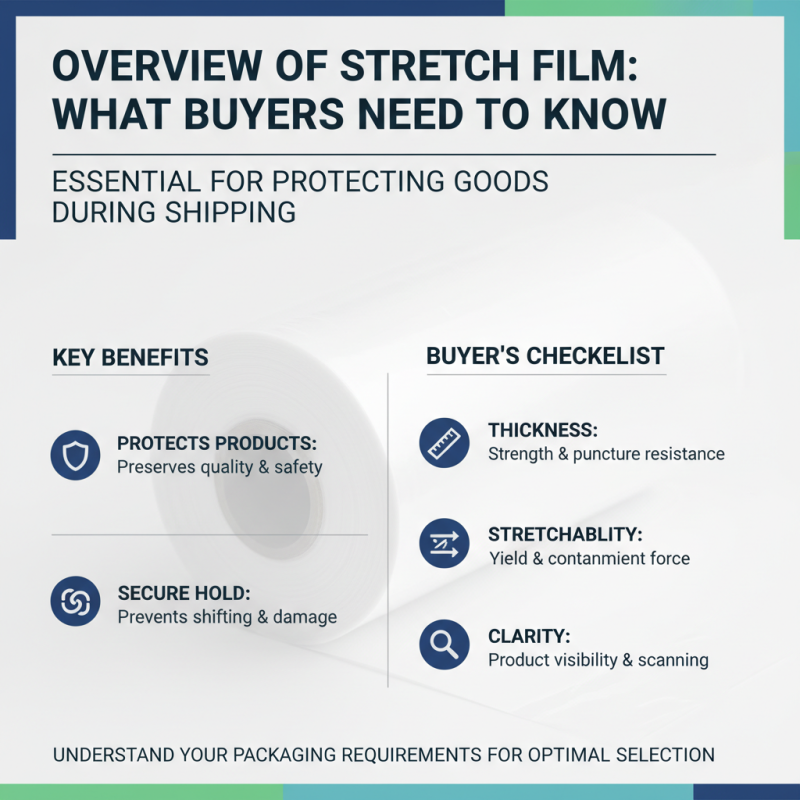
Overview of Stretch Film: What Buyers Need to Know
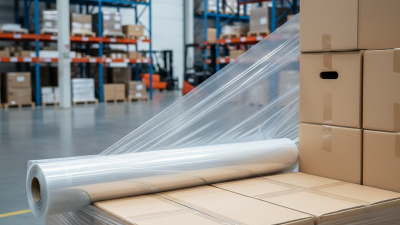
Stretch film is essential in many industries for protecting goods during shipping. It provides a tight hold on products, preserving their quality and safety. Buyers should focus on several key factors when selecting stretch film. These include thickness, stretch ability, and clarity. Packaging operations require different specifications, so it is vital to understand your requirements.
Thickness refers to how strong the film is. Thicker films offer more durability and protection. Thin films are lighter but may not withstand heavy loads. The ability to stretch is another crucial aspect. High stretchability ensures the film conforms tightly to the product. It minimizes shifting during transit, which can lead to damage.
Clarity affects visibility. Transparent films allow for easy identification and monitoring of products. Some buyers may prefer tinted options for branding purposes. There can be trade-offs to consider. For instance, while thicker films may be stronger, they can also be more difficult to apply. Overstretching can lead to tears, which reduces overall reliability. Understanding these nuances will help global buyers make informed decisions.
Types of Stretch Film: Key Variants and Their Uses
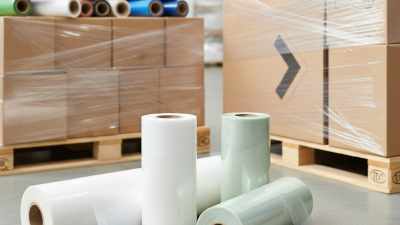
When it comes to stretch film, understanding the various types is crucial for effective use. The most common variant is the hand stretch film, ideal for light-duty tasks. It’s user-friendly and offers good protection for smaller packages. Users often appreciate its clarity, which allows visibility of contents.
Machine stretch film, on the other hand, is designed for high-volume applications. It is typically thicker and more durable. This type minimizes waste due to its ability to stretch considerably while maintaining strength. Many manufacturers prefer this variant for palletizing, as it enhances stability during transport.
Another noteworthy type is the colored stretch film, which has practical applications beyond aesthetics. It can be used for identifying specific loads or ensuring privacy. However, some users find it challenging to assess the amount of product wrapped due to the color hindering visibility.
It’s essential to weigh these pros and cons based on your specific needs. Each type of stretch film serves unique purposes and functions in the supply chain, making it necessary to select wisely based on your situation.
Factors to Consider When Choosing Stretch Film for Your Needs
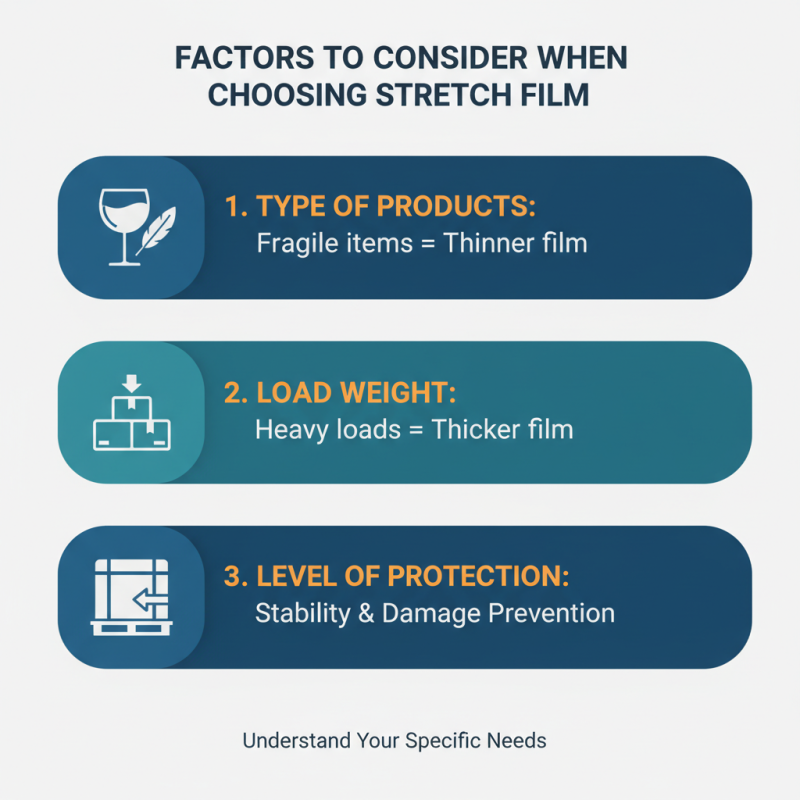
When selecting stretch film, several factors come into play. Understanding your specific needs is essential. Consider the type of products you're wrapping. Different materials require different levels of protection. For example, delicate items may need a thinner film to avoid damage, while heavy loads require thicker options for stability.
Durability is another critical aspect. The film’s tensile strength affects how well it adheres to the products. High-quality stretch films resist tearing and ensure secure packaging during transport. You should also think about the environment—whether the film is recyclable or biodegradable. Choosing sustainable materials can reflect positively on your brand.
Tips: Always test a small sample before bulk purchasing. This way, you can observe how well the film performs with your products. Keep in mind local climate conditions; humidity can affect adhesion. Regularly revisit your options, as technology in film production is constantly evolving. Don't hesitate to reassess your needs as your operations grow.
Top Manufacturers and Suppliers in the Global Stretch Film Market
In the global stretch film market, several manufacturers and suppliers stand out due to their innovation and reliability. Many companies focus on creating stretch films that prioritize durability and consistency. They often utilize advanced polymers to ensure the films offer maximum strength. These materials allow for reduced consumption, leading to more environmentally friendly options.
Suppliers also emphasize customer service. They provide tailored solutions to meet the specific needs of different industries. Some companies even engage in collaborative efforts to enhance product development. However, balancing quality and cost can be a challenge. Not all suppliers maintain high standards while keeping their prices competitive. This issue can lead to discrepancies in the final product.
Furthermore, market trends show a growing preference for sustainable options. Many companies are exploring biodegradable alternatives. Although these options may not yet match traditional stretch films in performance, the effort shows a commitment to ongoing improvement. The market remains dynamic, reflecting the need for continuous adaptation and reflection on product efficacy.
Sustainability Trends in Stretch Film Production and Usage
Sustainability has become a critical focus in the stretch film industry. Recent studies indicate that over 60% of manufacturers are looking to incorporate eco-friendly materials. Biodegradable and recyclable options are gaining traction. This shift is not just a trend but a necessary response to global waste challenges.
The report by the Flexible Packaging Association highlights that nearly 30% of stretch film produced in 2022 included recycled content. However, many companies still struggle to meet sustainability goals. The transition to renewable resources remains slow. Inadequate infrastructure for recycling poses a significant barrier.
In response, more businesses are exploring innovative solutions. For instance, the use of plant-based polymers is on the rise. Despite the progress, it's clear that substantial gaps exist. Companies must rethink their strategies to ensure a truly sustainable future in stretch film production. Balancing cost, performance, and environmental responsibility will be crucial.
2026 Best Stretch Film Options for Global Buyers - Sustainability Trends in Stretch Film Production and Usage
| Stretch Film Type |
Material |
Thickness (microns) |
Recyclability |
Sustainability Features |
| Cast Stretch Film |
LLDPE |
15-30 |
Yes |
High clarity and load stability |
| Blown Stretch Film |
LLDPE |
20-35 |
Yes |
Strong puncture resistance |
| Pre-Stretched Film |
LLDPE |
10-20 |
Yes |
Reduced plastic usage |
| Elastomeric Film |
TPE |
20-40 |
Yes |
Flexible and biodegradable options |
| Opaque Stretch Film |
LLDPE with Colorants |
15-30 |
Yes |
Protection against UV light |