2026 Best Stretch Film Options for Packaging and Storage Solutions?
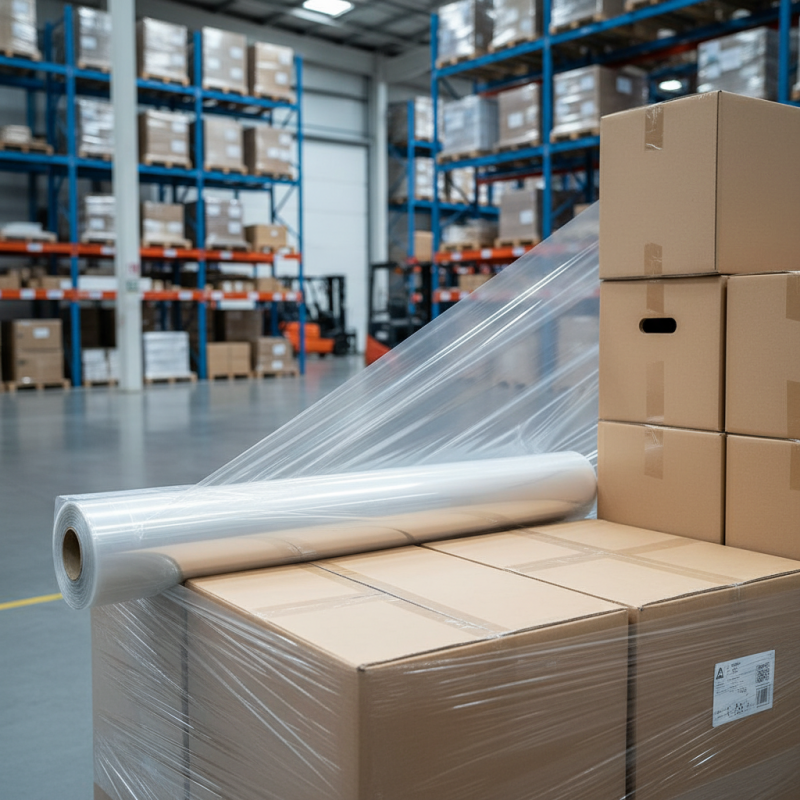
In the realm of packaging and storage solutions, Stretch Film stands out as a crucial tool. This versatile film, made of durable plastic, offers protective capabilities for various items. Its elasticity allows it to securely wrap products, preventing damage during transit or storage.
Choosing the best Stretch Film can be challenging. Different types are available, each serving unique purposes. Some films are designed for heavy loads, while others are ideal for lighter items. Understanding these differences is vital for effective packaging.
As we explore the best options for 2026, it’s important to consider factors such as thickness, clarity, and stretchability. Users often overlook the impact of these features on performance. Selecting the right Stretch Film can significantly enhance the safety and integrity of your products.
Understanding Stretch Film: Types and Materials
When it comes to packaging, understanding stretch film is essential. Different types and materials serve various purposes. Stretch film can be divided into two main categories: cast and blown. Cast stretch film is known for its clarity and ease of use. It provides excellent cling properties, making it popular for hand wrapping. Blown stretch film, on the other hand, offers more strength and puncture resistance, ideal for machine application in warehousing.
Materials play a crucial role in stretch film performance. Most stretch films are made from polyethylene, a durable and flexible plastic. However, not all polyethylene films are alike. Some are engineered to resist UV light, which can degrade packaging over time. Others might include recycled materials, raising sustainability questions. Reflecting on choices made during packaging can reveal overlooked aspects. Are the materials environmentally friendly? Is the chosen type appropriate for the load?
Selecting the right stretch film requires consideration of needs and characteristics. The thickness and elasticity of the film can affect how well it secures items. Thicker films provide better protection but can be harder to handle. Balancing these factors is vital. An informed choice leads to better storage solutions and optimized packaging. Taking the time to analyze these details ensures efficient and reliable outcomes.
Key Factors to Consider When Choosing Stretch Film
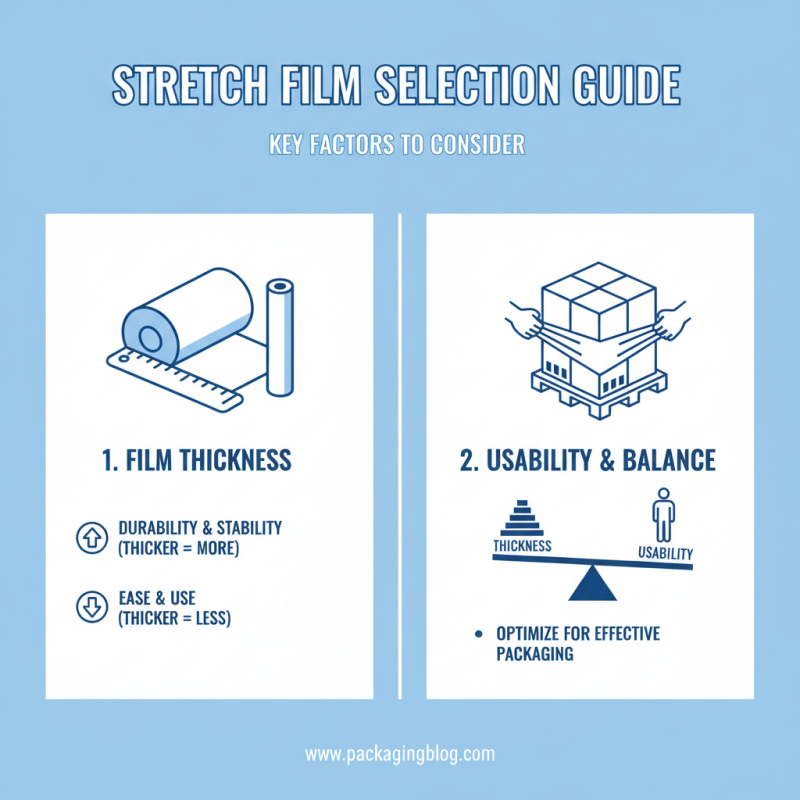
When choosing stretch film for packaging and storage, it’s essential to consider a few key factors. First, the thickness of the film matters significantly. Thicker films are often more durable and offer better load stability. However, they might be harder to work with. Balancing thickness with usability is crucial for effective packaging.
Next, clarity is important. High-clarity films allow for easy visibility of items. This can be critical for inventory management. On the flip side, if the film is too clear, it may not provide the level of security needed for sensitive materials. Finding the right clarity level can be a challenge.
The type of stretch film should also not be overlooked. There are different types, like cast and blown films. Cast films provide excellent stretch and cling but may not offer as much tear resistance. Blown films are often tougher but can be pricier. Evaluating your specific needs is essential in this decision-making process. Each option has its benefits and drawbacks, which require careful thought and consideration.
Top Brands and Products for Stretch Film in 2026
In 2026, the demand for efficient packaging solutions remains high. Stretch film plays a crucial role in ensuring safety during storage and transport. According to a recent industry report, the global stretch film market is expected to reach $11 billion by 2026, fueled by e-commerce growth and increased logistics activities. Yet, with numerous options available, choosing the right product can be overwhelming.
Several brands stand out for their innovative approaches. For instance, films with enhanced cling properties provide better load stability. This can reduce damage during transportation. However, not all products deliver consistent performance. Some films perform well under specific conditions but fail in others. It's vital for businesses to conduct thorough testing before committing to a particular film.
Recycling stretch film remains a challenge. Industry reports indicate that only 12% of stretch film is recycled. Brands are exploring eco-friendly alternatives, but many products still rely on conventional materials. This can lead to environmental concerns that companies must consider. Balancing functionality and sustainability is not straightforward and requires ongoing reflection in packaging strategies.
Application Techniques for Effective Stretch Film Use
When using stretch film for packaging, application technique plays a crucial role in effectiveness. Start by ensuring the right tension. Overstretching can lead to film breakage, while insufficient tension may result in load shifting. A balanced application not only secures the products but also reduces waste. Observing film gauge helps you make informed decisions about the right thickness for various products.
Consider the wrapping method you choose. Circular or horizontal wraps create different levels of stability. For heavier items, a figure-eight pattern can offer enhanced support. Additionally, using a turntable can save time and improve consistency. Keep in mind that environmental factors, like humidity and temperature, can affect adhesion. Conducting tests in your specific warehouse conditions is essential for achieving optimal results.
It is also worth noting the learning curve associated with stretch film application. New operators may face challenges in achieving a tight wrap consistently. Mistakes can arise from incorrect wrap techniques or poor handling of the film. Encouraging ongoing training and observation can foster improvement over time. Regularly reviewing and adjusting your methods will enhance reliability in storage solutions.
Sustainable Options and Innovations in Stretch Film
As sustainability becomes increasingly important, stretch film manufacturers are innovating to meet eco-friendly demands. According to industry reports, nearly 60% of consumers prefer products made from sustainable materials. Biodegradable and recyclable stretch films are gaining traction in the packaging sector, presenting effective alternatives that do not compromise on performance.
When selecting a stretch film, consider its environmental impact. Look for products made from post-consumer recycled materials. This not only reduces waste but also conserves resources. Additionally, opt for films that adhere to sustainability certifications. Resources like the Sustainable Packaging Coalition can provide valuable guidance.
However, while many sustainable options exist, not all perform equally in various conditions. The durability of some biodegradable films may fall short in certain applications, leading to challenges in storage efficiency. It’s essential to assess your packaging needs thoroughly. Testing different films can help identify the best balance between sustainability and functionality. Always be prepared to adapt as new technologies emerge in this rapidly evolving market.
2026 Best Stretch Film Options for Packaging and Storage Solutions
| Film Type |
Thickness (microns) |
Load Capacity (lbs) |
Recyclable |
Special Features |
| Standard Stretch Film |
20 |
1500 |
Yes |
High puncture resistance |
| Pre-Stretched Film |
15 |
1200 |
Yes |
Less waste, improved efficiency |
| Black Stretch Film |
25 |
1600 |
Yes |
UV protection and concealment |
| Biodegradable Stretch Film |
22 |
1400 |
Yes |
Environmentally friendly materials |
| Colored Stretch Film |
18 |
1300 |
Yes |
Custom branding and visibility |