Best Stretch Film for Packaging Efficiency and Cost Savings?
In today's competitive market, efficient packaging is crucial for success. Companies often seek ways to reduce costs while maintaining quality. One solution is the use of Stretch Film. This versatile material offers numerous benefits in packaging processes. It's lightweight, easy to apply, and helps protect products during transit.
Properly selecting Stretch Film can lead to significant cost savings. Many businesses overlook the importance of film thickness and wrap type. These factors can influence both performance and expenses. Finding the right balance may take time and experimentation, leading companies to ponder their packaging choices.
While Stretch Film offers convenience, it is not without its challenges. Users must consider stretch rates, application methods, and compatibility with various goods. Making informed decisions can enhance packaging efficiency. Investing time in research can yield valuable insights, driving improvements for the bottom line.
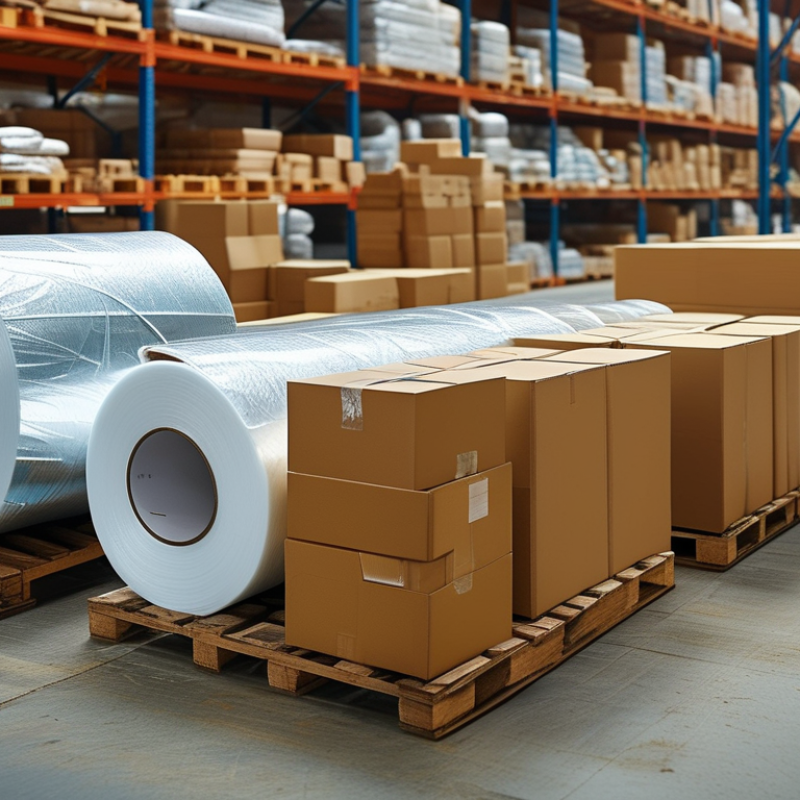
Best Stretch Film for Packaging Efficiency and Cost Savings: An Overview
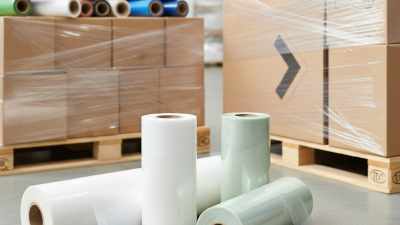
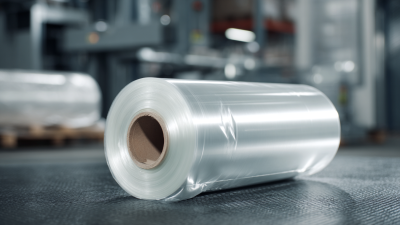
When it comes to packaging, choosing the right stretch film can significantly enhance efficiency and reduce costs. A quality stretch film provides stability during transport and protects products from dust and moisture. Moreover, the right film can minimize waste and save money over time. The choice of thickness, clarity, and stretch ability is crucial. Thicker films can offer better stability but may cost more.
Tips: Evaluate the specific needs of your products. Lightweight items may not require heavy-duty film. However, heavier items need robust protection. Test different films to find the best fit for your packaging requirements.
Additionally, consider the wrapping technique. Properly stretching the film ensures a tight fit. A loose wrap can lead to damage and increased shipping costs. Using a dispenser can simplify the wrapping process and enhance efficiency.
Tips: Train your team on optimal wrapping methods. Regular refreshers on techniques can mitigate mistakes. Reflect on your wrapping performance and adapt as needed. Small adjustments can lead to significant cost savings over time.
Industry Trends in Stretch Film Usage and Market Growth Statistics
The stretch film market is evolving rapidly. Recent statistics show a steady growth in demand for stretch films across various industries. Logistics and warehousing, particularly, have witnessed an uptick in usage. As companies seek more efficient packaging solutions, stretch film becomes essential for maximizing load stability.
An interesting trend is the increasing adoption of eco-friendly materials. More companies are prioritizing sustainability. This shift reflects a broader commitment to environmentally responsible practices. However, the challenge remains in balancing cost and performance. Many businesses struggle with the initial investment in biodegradable options versus traditional films.
Innovation in manufacturing techniques also plays a significant role. New methods are being explored to enhance the strength and stretchability of films. Yet, there's complexity in achieving the right balance of cost efficiency and quality. Continuous feedback from industry users can drive improvements. Regular assessments are necessary to determine if current packaging methods meet evolving needs.
Comparative Analysis of Stretch Film Types: Performance and Cost Factors
When choosing stretch film for packaging, performance and cost are crucial factors. Different types of stretch films offer various benefits. Understanding their properties helps in making informed decisions. For instance,
pre-stretched films reduce material use while still providing tensile strength. This means less waste and more efficiency. However, they may require more initial investment.
Cost-effective options like cast stretch film are popular in many industries. They offer high clarity and good puncture resistance. Yet, their performance might not match that of blown films when it comes to heavy-duty applications.
Blown film is typically thicker and has better load-holding capabilities. Still, it can be pricier and might lead to overuse if not calculated correctly.
It's essential to assess specific needs rather than opting for the cheapest option. Uneven wrapping can lead to shipment damage, resulting in higher costs down the line. Experimenting with different types can help find the perfect balance between performance and cost.
Always keep quality in mind. Even minor details can significantly impact overall efficiency.
Key Performance Metrics: Break Strength and Elongation in Stretch Films
When selecting stretch film for packaging, understanding key performance metrics is crucial. Break strength refers to the maximum force a film can withstand before breaking. Stretch films typically have a break strength ranging from 2,500 to 6,000 psi, depending on the material and thickness. Reports show that higher break strength correlates with lower overall material usage and enhanced load stability. This can lead to significant cost savings in long-term inventory management.
Elongation is another critical metric. It measures how much stretch the film can endure before breaking. Many high-performance stretch films can extend up to 400% before failure. This property allows for better conformance around complex shapes and increased load containment. Studies indicate that a film with higher elongation can reduce the need for additional wraps, directly impacting cost efficiency.
However, companies must carefully choose films that balance these metrics. A film with exceptional elongation but low break strength might not support heavy loads properly. Additionally, reliance on only these metrics can overlook factors like environmental impact and recyclability, which are increasingly important. Evaluating manufacturers’ specifications and conducting real-world tests can aid in making informed decisions. The integration of these insights ensures optimal packaging efficiency and cost savings.
Sustainability Considerations in Stretch Film Selection for Cost Efficiency
Choosing the right stretch film can significantly impact sustainability and cost efficiency. Many companies overlook the environmental implications of their packaging choices. Stretch films are often made from plastic, which raises concerns about waste and recyclability. It’s essential to research materials that have a lower environmental footprint.
Recyclability is a crucial factor. Films designed for easy recycling can help companies reduce landfill contributions. However, not all stretch films are created equal. Some may boast superior strength while lacking in environmental friendliness. Ensuring the film is engineered with recycled content can be a wise choice, albeit not always straightforward.
Cost efficiency is another layer to consider. While cheaper options are readily available, they may require more frequent replacements. This could lead to higher long-term costs. Balancing immediate savings with durability and sustainability can be challenging. Businesses must reflect on these factors to make informed decisions that align with their environmental values.
Best Stretch Film for Packaging Efficiency and Cost Savings? - Sustainability Considerations in Stretch Film Selection for Cost Efficiency
| Film Type |
Thickness (microns) |
Cost per Meter ($) |
Stretch Percentage (%) |
Environmental Impact Rating |
| Standard Stretch Film |
23 |
0.05 |
300 |
Moderate |
| Recycled Stretch Film |
20 |
0.06 |
280 |
High |
| Biodegradable Stretch Film |
25 |
0.07 |
290 |
Very High |
| Cast Stretch Film |
23 |
0.05 |
320 |
Moderate |
| Blown Stretch Film |
30 |
0.06 |
350 |
Low |