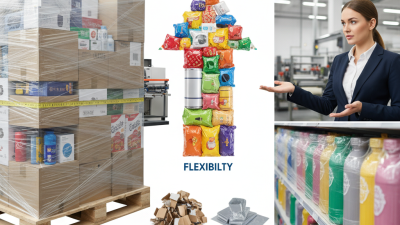
Choosing the right Shrink And Wrap machine can shape production speed, product protection, and long-term operating costs. Global buyers often compare equipment by price first. That can be a costly mistake. Film width, package dimensions, sealing strength, tunnel temperature, power supply, and available technical support deserve equal attention. A compact L-sealer may suit a small workshop, while a fully automatic side-sealing system may better serve high-volume distribution. Every application is different.
Packaging educator Walter Soroka describes packaging as “the art, science, and technology of enclosing and protecting products for distribution, storage, sale, and use.” His definition fits shrink packaging closely. The machine must protect the product without wasting film or creating unstable seals. In practical testing, a correctly adjusted tunnel should shrink the film evenly around corners, labels, and uneven surfaces. Watch the edges.
This guide reviews seven Shrink And Wrap machines for international buyers. It considers operating capacity, machine footprint, film compatibility, temperature control, safety features, maintenance access, and supplier reliability. It also examines the details that brochures often overlook, including noisy conveyors, difficult film loading, slow spare-parts delivery, and inconsistent sealing during long shifts. These issues may seem minor. They are not.
Some recommendations may not fit every factory. A machine that performs well for boxed cosmetics may struggle with heavy cartons or irregular food trays. Buyers should request product trials, inspect finished seals, and confirm service arrangements before ordering. No comparison can replace hands-on testing. That limitation matters.
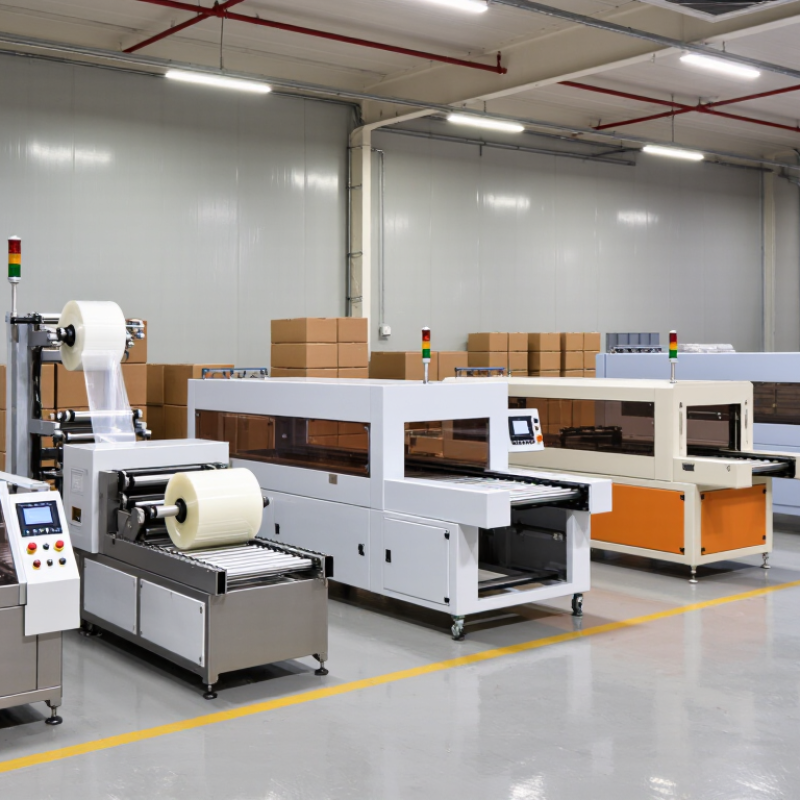
Shrink and wrap machines protect products with plastic film during storage, transport, and retail handling. Shrink machines loosely cover an item with heat-sensitive film. A sealing bar closes the film, then controlled heat tightens it around the product. The result is a cleaner, tamper-evident package.
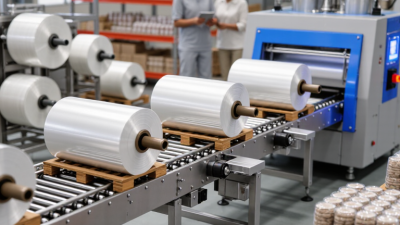
The process has several practical stages. A film roll feeds around the product. A sensor or operator positions the package. The sealing unit cuts and closes the film. Next, a heat tunnel circulates warm air around the package. Temperature, conveyor speed, and exposure time must match the film and product size. Excessive heat can distort containers or damage printed surfaces. Insufficient heat leaves loose folds.
Wrap machines can also use stretch film without heating. A turntable, rotary arm, or powered rollers apply tension around cartons and pallets. This method stabilizes heavy loads and reduces movement during shipping. In production environments, automatic feeding and photoelectric sensors improve consistency. However, sensors need regular cleaning, especially where dust or film scraps collect.
No machine is perfect. I have seen operators focus on speed while overlooking seal quality. That choice often creates weak corners and wasted film. Global buyers should check voltage compatibility, safety guards, spare-part access, and operator training. Test several product sizes before purchase. A short demonstration may look convincing, but sustained testing reveals jams, uneven sealing, and maintenance demands.
Choosing among the seven best shrink and wrap machines requires more than comparing prices. Start with product size, packaging speed, film type, and daily workload. A chamber machine may suit small batches, while a side-seal system supports continuous production. Measure your largest carton carefully. A few extra centimeters can prevent costly rework.
Tips: Confirm electrical requirements before ordering. Voltage, frequency, plug design, and heating power vary between regions. Ask for a complete machine footprint, including conveyor space. Check whether common films, spare heaters, sensors, and cutting blades are easy to source locally. Request sample packaging tests using your actual products. Clear film results can hide weak seals.
Reliable buying decisions also depend on service quality. Review training options, maintenance instructions, warranty terms, and response times. Safety guards, emergency stops, temperature controls, and accessible components deserve close attention. Total cost includes freight, installation, energy use, film waste, and operator training. The cheapest machine may become expensive during frequent production delays. A perfect specification sheet does not exist. Real factory conditions are messier, and some trial results may disappoint. Record seal strength, wrap appearance, cycle time, and rejected packages during testing. Choose equipment that matches your operators and future volume, not only today’s output.
For global buyers, seven leading shrink and wrap machine types deserve careful comparison. L-bar sealers suit small cartons and mixed production, while side-seal machines handle continuous film with fewer size changes. I-bar sealers cost less, but require more operator attention. Shrink tunnels provide the heat finish; electric, hot-air, and gas-heated designs differ in speed and energy use. Sleeve wrappers create strong multipacks around bottles or cans. Flow wrappers protect individual products and support high-speed retail packing. Stretch wrappers stabilize pallets without heat, making them useful for heavy loads and export handling.
PMMI reported approximately 10.2 billion dollars in U.S. packaging machinery shipments during 2023. That figure suggests continued investment, but it does not prove that the fastest machine is the best choice. Product shape, film thickness, line speed, labor, and local power standards matter more than impressive specifications. Smithers’ packaging research also continues to highlight pressure for lighter materials and improved recyclability. A machine that runs only one film type may become a poor investment. I learned this the hard way: laboratory efficiency often changes on a dusty factory floor.
Tips: Request a live trial using your actual product, film, and sealing pattern. Check tunnel temperature stability, seal strength, changeover time, spare-part access, and operator training. For international sites, verify voltage, language support, safety documentation, and service response before purchase. Ask for measured output, not brochure speed. A ten-minute trial can reveal more than a polished quotation.
| Machine Type | Typical Packaging Application | Common Film or Wrap Material | Typical Production Speed | Typical Product Size Range | Automation Level | Main Advantages | Key Buying Considerations |
|---|---|---|---|---|---|---|---|
| L-Bar Sealer with Shrink Tunnel | Retail cartons, boxed goods, books, hardware, and general consumer products | Polyolefin (POF), PVC, or polyethylene shrink film | Approximately 8–25 packages per minute, depending on product size and operator loading | Small to medium products; sealing areas commonly range from about 400 × 300 mm to 650 × 500 mm | Semi-automatic | Versatile, relatively compact, and suitable for many product shapes | Requires manual product placement; film thickness, tunnel temperature, and conveyor speed must be matched to the product |
| Automatic Side-Seal Shrink Wrapper | High-volume packaging of cartons, trays, printed products, and regular-shaped items | Center-folded POF or polyethylene shrink film | Approximately 20–60 packages per minute | Small to large products, often up to approximately 600 mm in width depending on the sealing system | Automatic | Continuous film sealing, high throughput, and consistent package presentation | Best performance requires stable product dimensions and accurate infeed spacing |
| Bundling Shrink Wrapper | Multipacks of bottles, cans, boxes, containers, and other grouped products | Polyethylene shrink film; some models also use polyolefin film for lighter bundles | Approximately 10–35 bundles per minute | Medium to large bundles; product width and bundle height depend on the sealing chamber and film roll capacity | Semi-automatic to automatic | Creates stable multipacks without requiring cartons or trays in many applications | Product grouping, bundle stability, film strength, and cooling after shrinking are important |
| Side-Wrapping Stretch Film Machine | Palletized loads, building materials, furniture, appliances, and irregular industrial loads | Stretch film, usually polyethylene-based, applied with powered or pre-stretch systems | Approximately 20–50 pallet loads per hour | Large and tall loads; many systems accommodate pallet heights of roughly 1,800–2,400 mm | Semi-automatic to automatic | Reduces manual wrapping effort and improves load containment during transport | Check maximum load weight, turntable or rotary-arm design, film pre-stretch ratio, and site clearance |
| Rotary Arm Stretch Wrapper | Unstable, lightweight, heavy, or oversized pallet loads that should remain stationary during wrapping | Machine stretch film, commonly supplied in standard and high-performance grades | Approximately 25–60 pallet loads per hour | Large loads; suitable for products that cannot safely rotate on a turntable | Automatic | Wraps unstable or heavy loads without rotating the pallet, reducing load movement | Requires adequate arm rotation space; evaluate guarding, floor conditions, and pallet height limits |
| Horizontal Stretch Wrapper | Long, narrow, or continuous products such as profiles, pipes, doors, carpets, and furniture components | Stretch film or other compatible wrapping films, depending on the machine configuration | Approximately 10–40 metres of product per minute | Long products with cross-sections commonly from about 100 × 100 mm to 1,200 × 1,200 mm, depending on design | Semi-automatic to automatic | Provides continuous wrapping for products that are unsuitable for vertical pallet machines | Product cross-section, line speed, film tension, and end-of-product handling must be coordinated |
| Fully Automatic Shrink Sleeve Applicator and Tunnel | Beverage multipacks, promotional packs, trays, and grouped retail products requiring a clean sleeve finish | PVC, PETG, or polyolefin shrink sleeve film, selected according to application requirements | Approximately 20–80 packs per minute, with higher speeds possible in specialized lines | Small to medium multipacks; product dimensions depend on sleeve width, tunnel opening, and infeed design | Automatic | Provides attractive full or partial coverage and integrates well with conveyors and production lines | Film selection, sleeve registration, tunnel airflow, package orientation, and line integration are critical |
Note: Performance ranges are indicative industry ranges. Actual output depends on product dimensions, film type and thickness, package configuration, operator loading, tunnel settings, and line integration.
Choosing among the seven best shrink and wrap machines starts with the package, not the machine. Measure product length, width, height, weight, and surface sensitivity. A compact L-sealer may suit single cartons, while a side-sealer handles continuous production better. Bundling systems fit multipacks. Sleeve wrappers suit irregular groups.
The film also matters. Polyolefin film usually supports clear retail presentation, while polyethylene film offers stronger load containment. Match film width, sealing temperature, and tunnel capacity carefully. A tunnel running too hot can distort printed packaging. A weak seal can fail during export handling.
PMMI industry reports repeatedly identify labor shortages and automation as key machinery investment drivers. Therefore, prioritize automatic film feeding, fault detection, and tool-free adjustments when staffing is limited.
Throughput needs evidence. Ask for tested packs per minute, not promotional maximums. Smithers forecasts the global packaging market will reach approximately US$1.2 trillion by 2028, increasing pressure for reliable, flexible equipment.
Check electrical standards, guarding, spare-part access, and operator training before purchase. I have seen buyers compare speed while ignoring changeover time. That mistake becomes expensive. A five-minute adjustment may become an hour after several product sizes.
Product trials remain essential. Use your actual film, cartons, and conveyor speed. The result may challenge the original specification. That is useful.
7 Best Shrink And Wrap Machines For Global Buyers
Installation begins with the site, not the machine. Measure doorways, floor strength, ventilation, and available electrical capacity. A compact chamber machine may suit small cartons, while an automatic side-sealer needs longer conveyor space. Confirm voltage and frequency before shipment. A simple test often prevents expensive rewiring.
During operation, adjust sealing temperature, film tension, conveyor speed, and shrink time together. Use real products, not empty cartons, during commissioning. Operators should check seal strength and film wrinkles every few hours. Keep clear instructions near the control panel. Training may need local-language support. Small details matter.
Maintenance should include daily film-dust removal and weekly inspection of sealing wires, belts, rollers, and sensors. Replace worn PTFE tape before seals become uneven. Keep spare heaters and fuses in a dry cabinet. Record faults, even minor ones. That habit reveals recurring problems. Global buyers should request manuals, wiring diagrams, spare-part lists, warranty terms, and remote support. Check safety documentation and local electrical requirements before ordering. Shipping conditions also deserve attention, especially humidity and long storage periods. Some recommendations look perfect online but fail in a hot warehouse. This is easy to overlook. Ask for sample testing with your actual film and products.