2026 How to Choose the Best Shrink Wrap Roll?
Choosing the best Shrink Wrap Roll in 2026 requires more than comparing prices or glossy product photos. The correct roll must match your product shape, sealing equipment, heat settings, and shipping conditions. A thin film may reduce material use, but it can fail around sharp corners. A thicker film may protect better, yet increase costs and waste.
Packaging specialist Dr. Susan Selke offers a valuable principle: “Packaging should protect the product without creating unnecessary waste.” That idea remains practical. Buyers should check film thickness, shrink ratio, puncture resistance, clarity, roll width, and core size. They should also confirm whether the roll works with their machine. A mismatch can cause wrinkles, weak seals, or frequent film breaks.
Test before ordering at scale. Wrap a sample carton, apply the normal heat cycle, and inspect the seal after cooling. Pull the film by hand. Watch the corners. Some suppliers provide impressive specifications, but real warehouse performance can differ. I have found that “premium” does not always mean suitable. Temperature, storage humidity, and operator habits can change the result.
A reliable supplier should provide technical data, batch consistency, safety guidance, and responsive support. Ask for samples and measurable test results. Consider recycled-content options where performance remains acceptable. The best Shrink Wrap Roll is not simply the strongest or cheapest choice. It is the roll that protects goods consistently, fits the equipment, and avoids unnecessary material use.
What Is Shrink Wrap Roll and How Does It Work?
2026 How to Choose the Best Shrink Wrap Roll?
What Is Shrink Wrap Roll and How Does It Work?
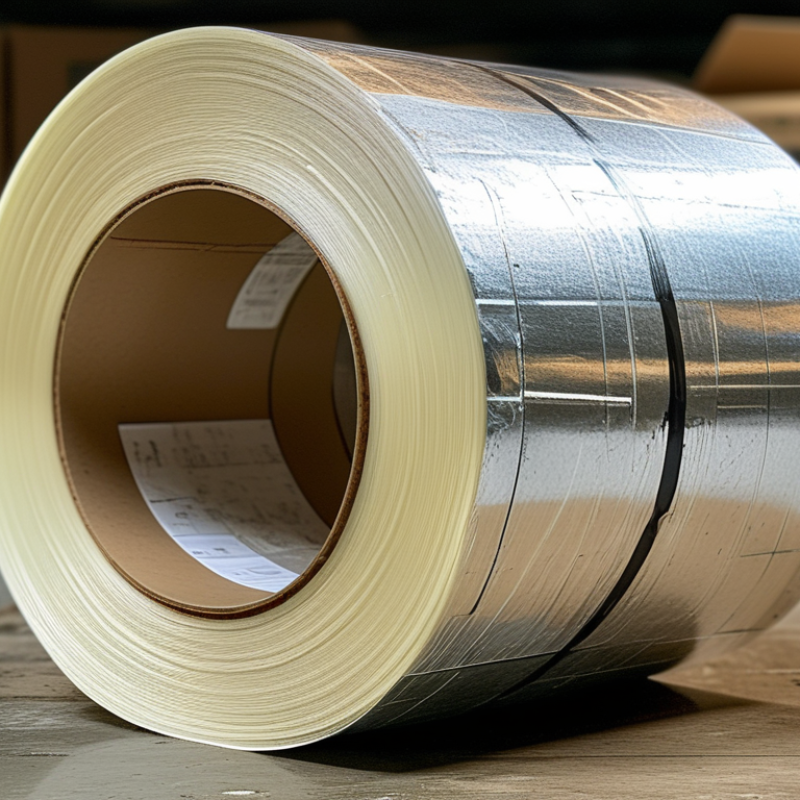
Shrink wrap roll is a plastic film wound around a core. It protects products from dust, moisture, and light handling damage. The film becomes flexible when heated. It then contracts around the product’s shape. This creates a close, clean package without adhesive. A heat gun or shrink tunnel usually provides the necessary heat. Good results depend on steady movement and suitable temperature.
Choosing the best roll requires more than checking thickness. Measure the product carefully, including its widest points and sharp corners. Select film width that allows enough overlap for sealing. Thicker film suits heavier items, while thinner film works for light products. Film type also matters. Some rolls fold easily, but folded film may leave uneven seals. I have found that rushed heating causes wrinkles and weak edges. That mistake is easy to repeat.
Tips: Test a small section. Watch the corners. Keep heat moving. Avoid overheating the film. Check the seal after cooling. A practical test can reveal problems before full production. Record the film size, heat setting, and wrapping time. This small record helps improve consistency, although it may not explain every packaging failure.
Which Shrink Film Material Fits Your Packaging Needs?
Choosing a shrink wrap roll starts with the product, not the roll width. In packaging trials, I compare temperature sensitivity, surface shape, and clarity before ordering bulk material. Polyolefin film suits many retail products because it is clear, flexible, and widely available in food-packaging grades. It creates a clean seal around boxes, books, and irregular items. Use the correct certified grade for direct food contact. Not every roll has the same approval.
PVC film can provide strong shrink performance and a firm appearance, but it needs careful ventilation and process control. Its suitability depends on the application, equipment, and local requirements. For lightweight products, thin-gauge POF may reduce material use while maintaining a neat presentation. A biodegradable or compostable option may sound attractive, yet its shelf life, sealing window, and disposal route require verification. Green claims need evidence. Request technical data, test reports, and migration documents where relevant.
Match film thickness to sharp edges, product weight, and handling distance. Thin film can tear at a carton corner before reaching the customer. A thicker roll may protect better, but it can waste material and slow shrinking. Test several rolls on the actual machine. Check seal strength, wrinkles, haze, odor, and shrink uniformity after cooling. No film is perfect. I have seen attractive wrapping fail during transport because the seal was weak. Record results under normal and demanding conditions, then choose the material that performs reliably, not merely the lowest-priced option.
How to Select the Right Shrink Wrap Roll Size and Thickness?
Choosing the right shrink wrap roll starts with the package, not the roll. Measure the product’s length, width, height, and perimeter around its widest section. For centerfold film, check whether the folded width covers the product with enough room for sealing and shrinking. Leave a practical allowance for overlap, but avoid excessive film that creates loose flaps.
Size matters.
A roll that is too narrow can expose corners or split during shrinking. A roll that is too wide may waste material and produce uneven folds. In practice, I recommend testing one sample with the actual sealer and heat equipment. Room temperature, sealing bar pressure, and tunnel airflow can change the result. A supplier’s size chart helps, but it should not replace a physical test.
Film thickness should match the product’s weight and surface. Light products with smooth edges may work well with thinner film around 15–19 microns. Standard cartons often need approximately 23–30 microns. Heavy items, sharp corners, or repeated handling may require 38 microns or more. These figures vary by film material and shrink ratio. Thicker is not automatically better. It can consume more heat and reduce clarity. My first estimate is often too optimistic when corners are sharp. Add corner protectors, adjust the film size, or increase thickness only after checking actual tears and shrink quality. Keep records of failed samples; they reveal more than guesswork.
What Sealing and Shrinking Equipment Will You Need?
Choosing the best shrink wrap roll also means choosing compatible sealing and shrinking equipment. The film cannot perform well if the machine dimensions are wrong. Measure the product length, width, and height before selecting a roll. Add enough film for clean seals, but avoid excessive waste.
A manual L-sealer suits low-volume packing and frequent product changes. It requires steady hand positioning and careful temperature control. An automatic side-sealer works better for continuous production. For thicker film, check the sealing bar’s pressure, heat range, and seal width. A weak seal may open during handling.
The shrinking method depends on product size and workplace conditions. A heat tunnel provides even results for repeated production. A heat gun offers flexibility for irregular items, but it needs more operator skill. Keep the airflow moving to prevent scorched film or distorted packaging. Test several settings with actual products. Small changes matter. From practical trials, operators often choose higher heat too quickly. That can create holes, cloudy patches, or tight corners. I have found that slower heating sometimes gives a cleaner finish, although it may reduce output. Ventilation, guarding, temperature controls, and emergency shutoff features also deserve attention. Inspect seals regularly, especially after changing film thickness or roll width.
2026 How to Choose the Best Shrink Wrap Roll?
What sealing and shrinking equipment will you need?
The chart shows typical free-shrink ranges for common shrink film families. Actual performance depends on film thickness, package shape, sealing speed, airflow, and tunnel temperature. Use the film range to match your sealing method and shrink equipment.
PVC Film
Suitable for light-duty retail packaging. Commonly used with an impulse or L-sealer and a heat tunnel.
POF Film
A versatile choice for food, printed products, and irregular shapes. Typically paired with an L-sealer and recirculating hot-air tunnel.
PE Film
Designed for heavier or bundled loads. Usually requires a stronger sealing system and a hot-air tunnel with higher air volume.
How to Compare Shrink Wrap Roll Quality, Cost, and Safety?
When choosing the best shrink wrap roll in 2026, compare more than the listed price. Quality begins with consistent thickness, clean edges, and predictable shrinking. A reliable roll should tighten evenly around the package without creating weak corners or cloudy patches. Check the film’s puncture resistance, tear strength, shrink ratio, and compatibility with your sealing equipment. I once selected a cheaper roll that looked acceptable during testing. It later caused uneven seals and more waste. That mistake changed how I evaluate film.
Cost should include labor, rejected packages, electricity, storage, and machine downtime. A lower price per roll may become expensive when operators need repeated adjustments. Ask for technical data, sample rolls, and clear test results. Measure actual film usage on your products, not only the supplier’s advertised yield. Some estimates look precise but ignore irregular package shapes.
Tips: Test several rolls using the same machine settings. Inspect ten wrapped packages, including corners and seams. Record film weight, sealing time, appearance, and failure rate. Safety also deserves careful comparison. Operators should receive training for hot surfaces, cutting tools, and heated air. Keep the work area ventilated, and follow the film’s safety documentation. If packaging touches food or other sensitive products, verify suitable compliance documents before use. I still believe testing can reveal more than a polished specification sheet. Yet testing conditions are imperfect, so review results after real production begins.