Leave Your Message

Why Is Shrink Wrap Used for Packaging?

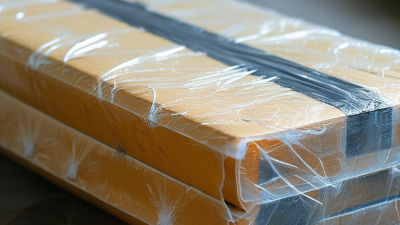
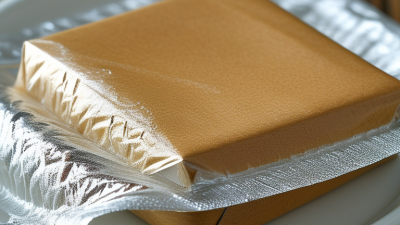
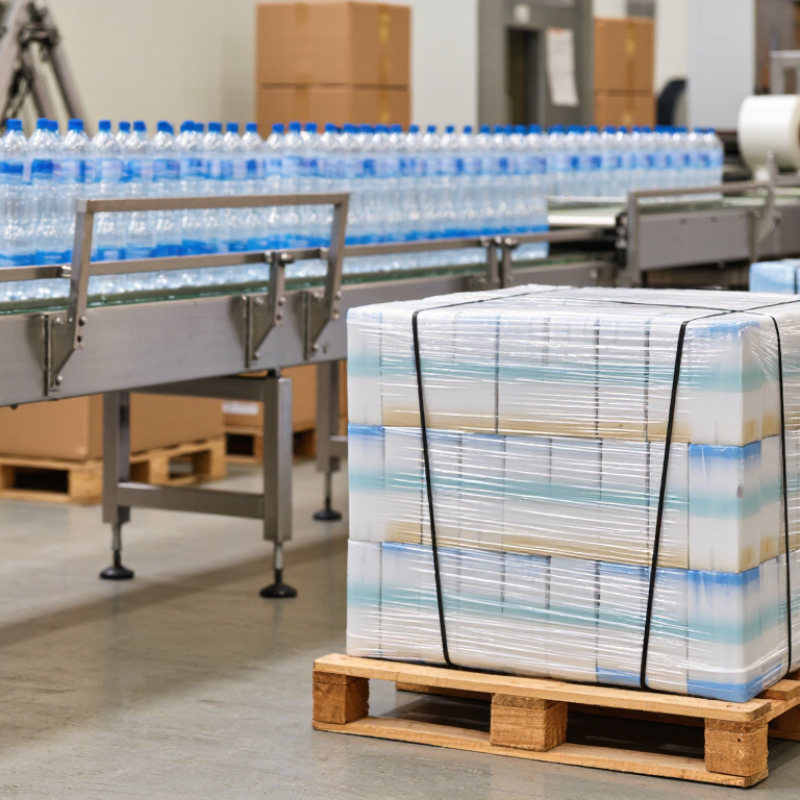
Why Is Shrink Wrap Used for Packaging? The answer is practical: it holds products together, shields surfaces from dust and handling, and lets customers see what is inside. A clear film tightens around a carton, bottle multipack, or pallet after heat is applied. The result is compact and visible. It is not a perfect barrier, though, and film choice matters. A package may need stronger puncture resistance, different sealing conditions, or a more recyclable design.

The Flexible Packaging Association’s 2023 State of the U.S. Flexible Packaging Industry report estimates U.S. industry sales at $42.9 billion in 2022. That figure covers flexible packaging broadly, not shrink wrap alone, but it shows the scale of demand for adaptable packaging formats. Packaging authority Walter Soroka describes packaging as “the science, art and technology of enclosing or protecting products for distribution, storage, sale, and use” in Fundamentals of Packaging Technology. Shrink film is one way to put that principle to work: it can bundle several items or stabilize goods for transport without hiding product labels.

There is a trade-off. Heat, film thickness, package shape, and equipment settings all affect the finished result. A poorly matched film can wrinkle, tear, or use more material than needed. Small details matter. The phrase Shrink Wrap Shrink Wrap may look repetitive, but the packaging question is not: choose the film for the product, the journey, and the end user. Not just appearance.
Why Is Shrink Wrap Used for Packaging?

How ASTM D2732 Measures Heat-Induced Shrinkage in Packaging Film

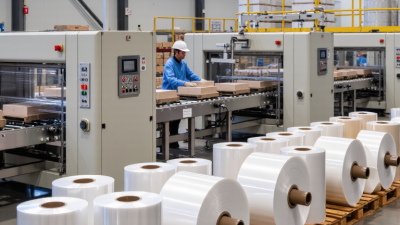
Shrink wrap works because heat lets an oriented plastic film contract around a product. The result is a close-fitting pack, but shrink percentage alone does not predict a good seal. A film may tighten unevenly, wrinkle at corners, or distort a heat-sensitive item. Small differences matter.

ASTM D2732 measures free linear thermal shrinkage in plastic film and sheeting. A technician marks a specimen, immerses it in a heated liquid bath for a set time, then measures how much it contracts. The result is reported by direction, since machine-direction and transverse shrinkage can differ. That detail helps packaging teams compare film lots and set practical heating conditions. It is not a full packaging simulation. Real tunnels add airflow, product mass, and uneven heat.

The ASTM method controls key test conditions, yet a single result cannot capture every production line. Keep that in mind. The Flexible Packaging Association’s 2023 State of the Flexible Packaging Industry report estimated U.S. flexible-packaging sales at $42.9 billion for 2022. That scale makes repeatable film testing useful. For a clear comparison, record bath temperature, exposure time, specimen direction, and measured shrinkage alongside the test result.
How ASTM D882 Tensile Data Help Assess Film Durability

Shrink wrap holds products together, limits dust exposure, and conforms to loads when heat is applied. But a film that looks strong on a roll may split at a sharp carton edge. Tensile testing offers one useful view of its durability.

ASTM D882 measures tensile properties of thin plastic sheeting. A lab cuts a film strip, grips both ends, and pulls it at a controlled rate. The resulting data can show tensile strength, elongation at break, and, when appropriate, tensile modulus.

Each tells a different part of the story. Strength indicates the stress a sample withstands; elongation shows how far it stretches before breaking. Modulus describes stiffness. Small details matter: specimen width, thickness, conditioning, and test speed can affect results. Compare samples only when test conditions are consistent.

The numbers need context. A film with high tensile strength may still tear easily after a nick, while high elongation does not guarantee resistance to puncture or long-term creep. Real loads add corners, uneven tension, temperature changes, and handling.

ASTM D882 data can help compare film formulations or check production consistency, but it cannot recreate every packaging condition. That gap is worth remembering. Pair tensile results with practical trials on the actual load, and inspect where the wrap begins to fail.

How ASTM D2838 Shrink-Tension Data Explain Bundle Stability

Shrink wrap holds a bundle by contracting around it as the film cools. The force is not visible, but it affects whether cartons stay aligned during handling. ASTM D2838 provides methods for measuring shrink tension and orientation release stress in plastic film under controlled heating conditions.

Shrink-tension data help describe how strongly a film pulls as it shrinks. A higher reading may indicate greater restraint, but it does not automatically mean a more stable package. Film thickness, bundle shape, seal quality, and heating conditions also matter. A narrow carton corner can concentrate pressure, while a broad, even bundle may distribute it more gently. Small details change the result.

In practice, compare test conditions with the packaging line’s temperature and exposure time. Then check wrapped bundles for shifting, crushed edges, and slack after cooling. A tidy test result can still mislead if the real load has sharp corners or uneven weight. ASTM D2838 offers useful measurements, not a pass-or-fail answer for every bundle. That distinction is easy to overlook.

How OTR and WVTR Measurements Define Shrink Film’s Barrier Limits

Why Is Shrink Wrap Used for Packaging?

How OTR and WVTR Measurements Define Shrink Film’s Barrier Limits

Shrink wrap holds products together, resists scuffs, and helps keep dust away. But a tight seal does not automatically mean a strong barrier. OTR measures oxygen passing through film; WVTR measures water vapor transmission. Both rates depend on film thickness, temperature, humidity, and test method. ASTM D3985 measures oxygen transmission, while ASTM F1249 measures water vapor transmission. Results only make sense when those conditions accompany the number.

For context, Gordon Robertson’s Food Packaging: Principles and Practice reports typical 25-micrometer LDPE values around 7,800–10,000 cc/m²/day for OTR at 23°C, and 16–23 g/m²/day for WVTR at 38°C and 90% relative humidity. These are reference values, not promises for every shrink film.

Resin blend, orientation, and actual film gauge can shift performance. A pinhole or stretched corner may matter more than the lab figure. That matters.

For oxygen- or moisture-sensitive goods, compare test data at matching conditions, then test wrapped samples through storage and handling. A clear film can look protective while still allowing slow gas exchange. The numbers are useful, but they do not tell the whole story.

How Film Gauge, Polymer Type, and Recyclability Shape Packaging Use

Shrink wrap holds products tightly, keeping dust and handling marks away during storage and transport. Film gauge, usually measured in microns, affects strength and material use. A heavier gauge can resist punctures from sharp box corners, but it may add plastic without improving protection for lighter goods. Test the film on the actual load. That detail matters.

Polymer type changes how the film behaves. Polyethylene films, including low-density and linear low-density polyethylene, are common for pallet loads because they stretch and cling. Polyolefin films are often used for smaller retail packs, where clarity and a smooth finish matter. The best fit depends on load weight, sealing equipment, temperature, and handling conditions; a film that works on a stable carton may fail around irregular edges.

Recyclability depends on the material and local collection systems. Clean, single-material polyethylene film may be accepted through some store or commercial collection programs, while mixed materials and heavy contamination can limit recovery. Check local guidance before choosing a format. Still, the choice is not always neat: a thinner film may reduce plastic use, yet breakage can mean rewrapping and extra waste. Trial runs and observed damage rates help reveal that trade-off.