Leave Your Message

What Is Plastic Wrap Shrink Film and How Is It Used?

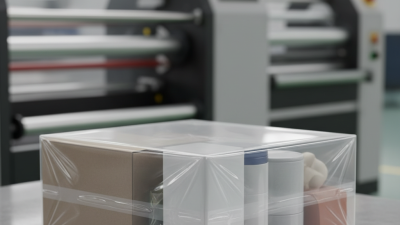
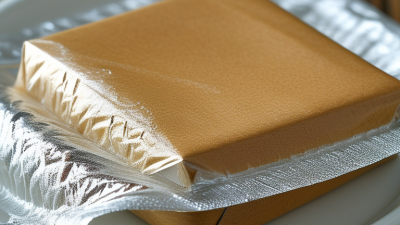
Plastic Wrap Shrink film is a flexible packaging material that tightens around products when exposed to controlled heat. It is commonly made from polyethylene, polyolefin, or PVC, depending on the product and packaging requirements. Unlike stretch film, which remains elastic after wrapping, shrink film contracts closely around the item. This creates a neat outer layer that can reduce dust, surface moisture, and movement during handling. It also improves shelf presentation.

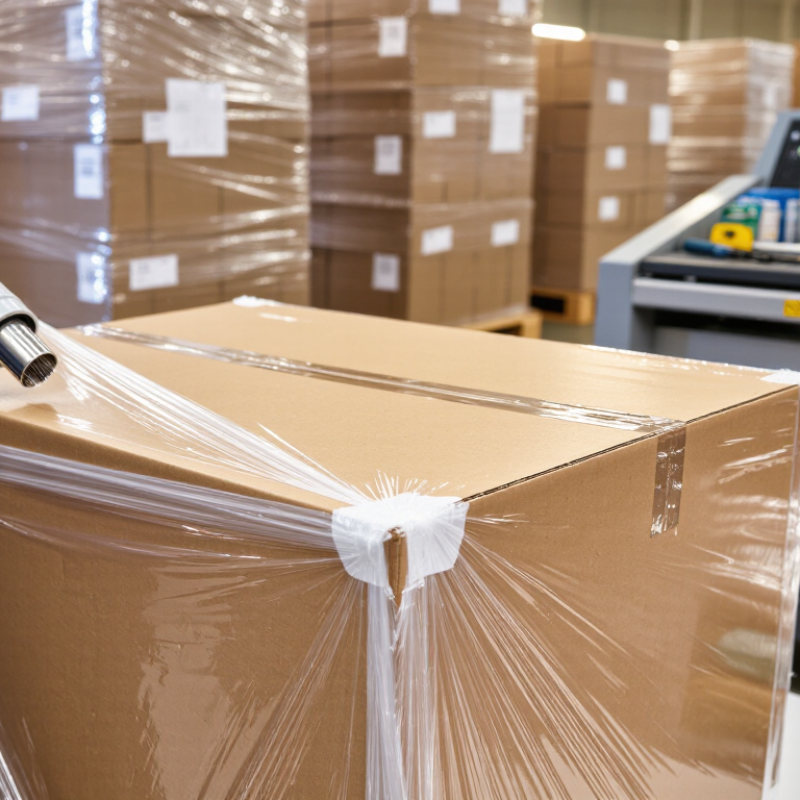
The process is practical but requires care. A worker places the product inside the film, seals the edges, and applies heat with a heat gun or shrink tunnel. The film then gathers around corners, cartons, bundles, or multipacks. On a warehouse pallet, it can hold several boxes together and make loose items easier to inspect. Retailers also use it for promotional packs, stationery, household goods, and selected food packaging. However, Plastic Wrap Shrink is not a universal solution. Sharp edges may puncture the film, while excessive heat can distort sensitive products or weaken seals. Product specifications should guide film selection, sealing temperature, and ventilation practices. Small trials are wise. I have found that a visually tight wrap can still hide poor corner protection or uneven tension. Reliable results come from testing the complete package, not just the film itself. Suppliers, packaging engineers, and operators should review performance under real storage and transport conditions. This approach supports safer handling, consistent presentation, and fewer avoidable packaging failures.
What Is Plastic Wrap Shrink Film and How Is It Used?

What Is Plastic Wrap Shrink Film?

Plastic wrap shrink film is a thin polymer sheet designed to tighten around products when heated. It is commonly made from polyethylene, polyolefin, or PVC. On a packing line, workers place the film around a carton, tray, or irregular object. A heat tunnel or handheld heater then removes slack, creating a close, protective layer.

The film helps reduce dust, moisture contact, scuffing, and product movement during storage or transport. It can also bundle several items into one handling unit. However, shrink film is not automatically sustainable. The OECD’s Global Plastics Outlook reports that packaging creates about 40% of global plastic waste. This figure makes film thickness, material choice, and recovery planning important. Smithers’ market analysis also identifies retail multipacks and e-commerce packaging as continuing demand areas. Real-world performance still depends on sealing quality, temperature control, and load shape.

Tips: Choose the thinnest film that passes drop and compression tests. Keep the film clean and dry before sealing. Uneven heating can leave loose corners or burn marks. Test a small batch first. Recycling access varies widely, so confirm local collection requirements before specifying the material. A lower film weight may reduce waste, but it can fail when loads have sharp edges. That trade-off deserves measurement, not guesswork.
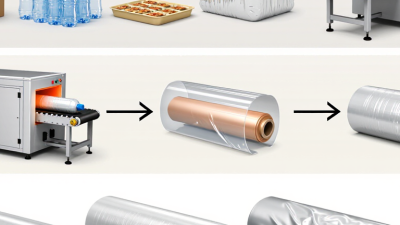
How Does Shrink Film Work?

Plastic wrap shrink film is a polymer sheet designed to tighten around a product after controlled heating. Its molecules are stretched during manufacturing, then cooled while holding that orientation. Heat releases the stored tension. The film contracts and follows the product’s shape.

How does shrink film work?

A package first receives a loose sleeve or fitted layer. A heat tunnel or hot-air system then raises the film’s temperature, often between 120°C and 200°C, depending on its polymer structure and thickness. As the film shrinks, air escapes through small openings, while the softened material conforms to corners, trays, and grouped items. Cooling creates a firm, transparent hold.

The result depends on more than temperature. Conveyor speed, airflow, film direction, and package geometry all affect tension.

A 2024 market report from an independent packaging research publisher estimated the global shrink film market at more than USD 9 billion, with demand rising alongside automated packing.

Industry testing also commonly measures shrink percentage, tear resistance, seal strength, and haze. These figures matter in production. Excess heat can distort thin packaging, while insufficient heat leaves wrinkles. The process looks simple. It is not always forgiving. In practice, operators often adjust tunnel settings by observing corner folds and seal behavior, then confirming results through tensile and shrink tests. Some published figures vary because researchers classify industrial, food, and transport films differently.

What Materials and Types Are Used?

Plastic wrap shrink film is a packaging material that tightens around products when heated. It protects surfaces from dust, moisture, and light handling damage. Unlike ordinary stretch film, it needs controlled heat to contract. It is not magic. A heat gun or shrink tunnel must match the film’s thickness and shrink temperature.

The main materials are polyethylene, polyolefin, and PVC. Polyethylene film is strong and commonly used for cartons, bundled goods, and heavier packages. Polyolefin film offers good clarity, balanced strength, and cleaner presentation for retail items. PVC film can provide strong transparency and a smooth finish, although its performance depends on the product and processing conditions. Film selection should consider puncture resistance, sealing behavior, required clarity, and storage temperature.

Shrink film also comes in several working types. Centerfold film opens like a book and suits many hand-operated sealing systems. Single-wound film can wrap larger or unusually shaped products with fewer folds. Shrink bags and sleeves help package individual items quickly. Manufacturers may produce film through blown or cast processes, which affect stiffness, clarity, and shrink response. In practice, I would test a small sample first. Film that looks perfect may tear at sharp corners or shrink unevenly. Excessive heat can wrinkle labels, soften products, or leave weak seals. Thickness alone does not guarantee reliable protection.

How Is Shrink Film Applied Step by Step?

Plastic wrap shrink film is a polymer film that tightens when heated. Unlike ordinary stretch wrap, it contracts around a product and forms a firm outer layer. This helps control dust, moisture, and loose components during storage or transport.

Common materials include polyethylene, polyolefin, and PVC, each with different strength and temperature requirements. Film selection matters.

The application starts with a clean, dry product and a suitable film width. Remove sharp edges or cover them with protective pads. Cut enough film to overlap the package seams.

Wrap the item evenly, without pulling the film too tightly. Leave a small opening for heat to escape. Keep it clean.

A heat gun or shrink tunnel activates the film. Use steady motion and keep the heat source moving. Heat the seams and loose areas gradually, rather than concentrating on one spot.

The film should tighten smoothly, not smoke, split, or turn brittle. Good ventilation and heat-resistant gloves are practical precautions. Small gaps matter.

I usually inspect corners twice because they shrink unevenly. My early attempts often overheated the lower edge. That mistake taught me to reduce heat and increase distance.

After cooling, check the seal, surface tension, and product visibility. A loose section may need gentle reheating, while a burned section requires replacement.

Do not force a poor seal.

What Are Its Main Uses and Benefits?

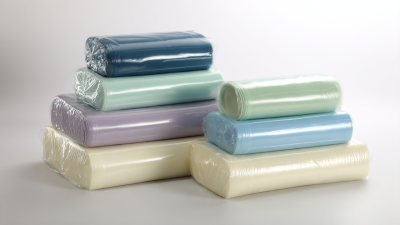
Plastic wrap shrink film is a thin plastic material that tightens around products when exposed to controlled heat. It is commonly made from polyethylene or polyolefin. After wrapping, the film forms a close-fitting layer around cartons, trays, bottles, or grouped items. This simple process helps keep packages stable during storage and transport.

Its main use is product protection. Shrink film can reduce dust, moisture contact, surface scratches, and accidental separation. Retailers often use it to bundle several small products together. Warehouses use it to secure cartons on pallets. The clear surface also allows labels and product details to remain visible. It can improve handling efficiency because wrapped items are less likely to shift. However, it is not a perfect barrier. Sharp edges may puncture the film, and excessive heat can damage sensitive products.

Tips: Choose the film thickness according to product weight and shape. Use moderate heat and keep the heat source moving. Test a small package first. Leave enough film for a firm seal without excessive waste. In my experience, poor wrapping often comes from rushing the final seal. Recycling can also be difficult when film is contaminated or mixed with other materials. For better results, keep used film clean and check local recycling requirements.

What Is Plastic Wrap Shrink Film and How Is It Used? - What Are Its Main Uses and Benefits?

Data Dimension Plastic Shrink Film Information Typical Uses Main Benefits Important Considerations
Definition Plastic shrink film is a polymer film that contracts when exposed to controlled heat, creating a close-fitting protective covering around a product, group of products, or package. Unit packaging, multipacks, bundled products, and protective overwrap. Produces a neat package, helps hold items together, and reduces exposure to dust and surface moisture. It should not be confused with stretch film, which is usually elongated around a load and does not require heat to create tension.
Common Material Types Polyolefin (POF) Polyethylene (PE) PVC POF for retail and food-related secondary packaging; PE for heavier bundles and transport packaging; PVC for selected display and general-purpose applications. Different polymers provide options for clarity, toughness, seal performance, thickness, and packaging equipment. Material selection should consider product contact requirements, recycling infrastructure, required strength, and applicable regulations.
Typical Thickness Commercial films are available in many gauges. A common working range is approximately 40–150 micrometres, depending on the material and application. Thinner film for light retail packs; thicker film for heavy, sharp-edged, or grouped products. Allows packaging designers to balance material use, puncture resistance, appearance, and load stability. Actual thickness should be selected through testing because product shape, sealing method, and handling conditions affect performance.
How It Is Applied The film is placed around the product, sealed or cut, and then heated with a heat tunnel or handheld heat tool so it contracts around the package. Automatic packaging lines, semi-automatic systems, and low-volume manual operations. Supports efficient bundling and can create a consistent package appearance when temperature and conveyor speed are properly controlled. Incorrect heat settings may cause holes, wrinkles, weak seals, product damage, or excessive film shrinkage.
Retail and Display Packaging Clear shrink film can group several items into one visible pack while keeping the contents identifiable. Beverage multipacks, stationery, household goods, books, small consumer products, and promotional bundles. Improves product visibility, helps discourage tampering, and keeps grouped items organized on shelves. Perforation, ventilation, and suitable sealing are important when packaging products that release heat or moisture.
Transport and Industrial Packaging Heavy-duty shrink film, especially polyethylene-based film, can form a protective cover or bundle around larger products and loads. Construction materials, furniture components, cartons, pallets, and irregularly shaped industrial products. Helps protect against dust, dirt, light surface moisture, shifting, and abrasion during handling and storage. Shrink film is not automatically waterproof or a substitute for load-rated strapping, pallets, edge protection, or cargo restraints.
Food and Hygiene-Related Packaging Appropriately specified shrink film may be used for secondary packaging or certain direct-contact applications, subject to regulatory approval. Multipacks, trays, cartons, bakery goods, and other packaged food products. Can provide a clean external barrier and help keep grouped packages together during distribution. Only films designed and approved for the intended food-contact use should touch food. Packaging must also allow adequate cooling and ventilation where needed.
Protection Against Tampering A continuous shrink sleeve or sealed film layer can show visible evidence if the package has been opened or disturbed. Cosmetics, personal-care products, pharmaceuticals, packaged foods, and consumer goods. Provides a visible packaging barrier and supports product presentation. Shrink film alone is not a complete security system; labels, seals, closures, and other controls may be required.
Clarity and Appearance Many shrink films are transparent and glossy, while printed, colored, opaque, and perforated versions are also available. Retail presentation, product grouping, private-label packaging, and printed promotional packs. Can improve shelf appearance, preserve barcode visibility, and allow consumers to inspect the product. Excessive heat, poor storage, or incompatible film may cause haze, distortion, wrinkles, or loss of seal quality.
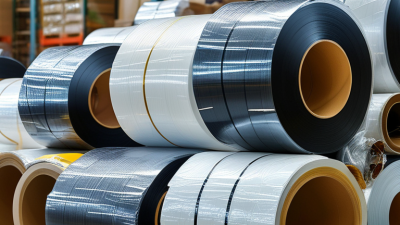
Storage and Handling Film rolls should generally be stored in a clean, dry area away from direct sunlight, excessive heat, sharp objects, and pressure that could deform the rolls. Warehouses, packaging rooms, distribution centers, and production lines. Proper storage helps preserve film clarity, dimensional stability, and processing performance. Film conditioning, roll rotation, and equipment calibration may be needed when temperature and humidity vary significantly.
Environmental Profile Shrink film is lightweight and can reduce packaging mass, but it is still a plastic material and may be difficult to recycle when contaminated, multilayered, or combined with other materials. Material-efficient secondary packaging and product bundling. Low weight can reduce material consumption and transport-related packaging mass when the correct thickness is used. Use the thinnest film that passes performance testing, avoid unnecessary overwrapping, and follow local collection and recycling guidance.
Key Selection Criteria Product dimensions, shape, weight, sharp edges, required clarity, shrink ratio, seal strength, packaging speed, and available heating equipment. All shrink-wrapping applications, from manual packing to high-speed automated lines. Matching film properties to the application improves package quality, productivity, and material efficiency. Packaging trials should verify shrink appearance, seal integrity, puncture resistance, product safety, and transport performance.

Note: Performance varies by polymer formulation, film construction, equipment settings, product geometry, and local packaging requirements. The values and recommendations above are general industry guidance rather than a specification for a particular film.