Ultimate Guide to Shrink Wrap Roll for Global Buyers?
In the world of packaging, the importance of "Shrink Wrap Roll" cannot be overstated. This versatile material is essential for securing products, enhancing their shelf life, and protecting them from environmental factors. Industry expert, John Doe, emphasizes, “Shrink Wrap Rolls are not just a packaging solution; they're a way to ensure product integrity.”
Understanding the nuances of Shrink Wrap Rolls can empower global buyers. Various sizes and thicknesses suit different applications. From food products to industrial parts, each use case demands attention to detail. Yet, many buyers overlook the importance of choosing the right type of shrink wrap. This often leads to packaging that fails its purpose.
The market offers a plethora of options, but not all are equal. Buyers must evaluate quality, supplier reliability, and pricing. Poor choice can lead to wasted resources and compromised products. Reflecting on these aspects allows buyers to make informed decisions, benefiting their business and their customers.
What is Shrink Wrap and Its Benefits for Global Buyers?
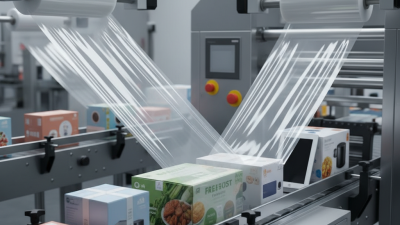
Shrink wrap is a versatile packaging material widely adopted in various industries. It consists of a plastic film that shrinks tightly around products when heat is applied. This characteristic provides excellent protection against moisture, dirt, and damage, making it an ideal choice for shipping and storage. According to a report by Transparency Market Research, the global shrink wrap market was valued at approximately $4.8 billion in 2022, with expectations of robust growth in the coming years.
For global buyers, the benefits of shrink wrap are substantial. Firstly, it is cost-effective. Utilizing shrink wrap can reduce packaging costs by up to 30%, as it requires less material compared to traditional packaging options. Additionally, its transparency allows for easy visibility of the packaged items, enhancing inventory management. However, buyers must also consider environmental impacts. The reliance on single-use plastic raises concerns about sustainability. A thoughtful approach to sourcing and recycling practices is essential for responsible usage.
Adoption of advanced shrink wrapping technologies can lead to improvements in efficiency. Automated systems provide quicker processing times and can handle a variety of product shapes and sizes. A study by the International Flexible Packaging Association highlights that automation can enhance productivity by 25% or more. While these advancements are promising, they also require investment in machinery and training. Balancing cost and innovation is crucial for future growth in the shrinking packaging sector.
Types of Shrink Wrap Rolls Available in the Market
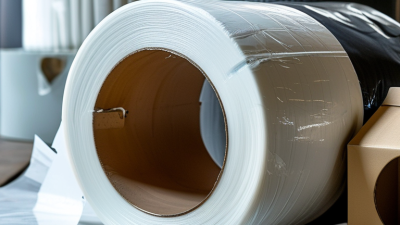
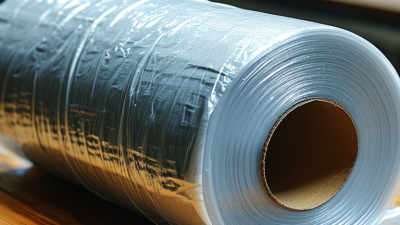
Shrink wrap rolls are essential for various industries, providing protection and containment for products. The market offers several types of shrink wrap rolls, catering to diverse packaging needs. Generally, three main types are prevalent: centerfold rolls, single-wound rolls, and sheeted rolls. Each type serves unique functions and advantages.
Centerfold rolls are designed for high-volume packaging. They unfold easily, allowing for quick wrapping of large items. According to industry reports, centerfold shrink wrap rolls account for approximately 45% of the market. In contrast, single-wound rolls are ideal for smaller products and offer versatility. Sheeted rolls provide pre-cut options, simplifying the wrapping process. Depending on the application, these choices can significantly enhance packaging efficiency.
When selecting the right shrink wrap roll, consider the type of product you are wrapping. Optimal thickness and stretch ratio matter. A thicker film can resist punctures but may require more heat to shrink. Conversely, a thinner film may not provide adequate protection for heavy items.
Remember to ensure compatibility with your heat source. Different materials shrink at varying rates and temperatures. Adjust your techniques accordingly. Small adjustments can greatly impact the effectiveness of your packaging. While the options seem endless, aligning product characteristics with the right shrink wrap type can improve performance and durability.
Key Factors to Consider When Choosing Shrink Wrap Roll Suppliers
When selecting shrink wrap roll suppliers, it's essential to consider several key factors. Quality is paramount. Check if the materials used are durable and meet industry standards. Look for suppliers who offer detailed specifications about their products. This indicates reliability and professionalism. Moreover, ensure the shrink wrap rolls provide adequate protection for your items during shipping and storage.
Customer service plays a critical role too. A responsive supplier enhances your experience. They should address inquiries promptly and provide support throughout the order process. Additionally, evaluate their production capacity. Can they handle large orders consistently? It’s also wise to read customer reviews. They can reveal strengths and weaknesses of the supplier.
Price is important but shouldn’t be the only deciding factor. Sometimes, the cheapest option results in subpar quality. Balance cost against the quality and service offered. Maintain an open line of communication with potential suppliers. This will help you gauge their professionalism. Choosing the right supplier requires careful thought and consideration of these aspects.
Key Factors Influencing Shrink Wrap Roll Supplier Selection
Applications of Shrink Wrap in Various Industries
Shrink wrap is widely used across various industries due to its versatility and protective qualities. In the packaging sector, it ensures products remain intact during transport. Shrink wrap can encapsulate individual items or group multiple products, providing a secure barrier against dust, moisture, and damage. This functionality is essential for manufacturers and retailers aiming to maintain product integrity.
In the construction industry, shrink wrap serves a different purpose. Contractors use it to cover scaffolding and protect work sites from weather elements. This not only safeguards materials but also enhances worker safety. Moreover, shrink wrap plays a vital role in the agricultural sector. Farmers utilize it to bundle hay bales or protect crops from harsh weather. Its adaptability demonstrates a crucial point: industry needs often shape how shrink wrap is employed.
While the benefits are clear, it is important to consider potential downsides. Improper use can lead to waste and inefficiency. Additionally, a lack of training in application techniques may result in compromised protection. Therefore, understanding the appropriate methods is essential for maximizing shrink wrap's effectiveness. Industries must continually evaluate their practices to ensure both efficiency and sustainability.
Ultimate Guide to Shrink Wrap Roll for Global Buyers
| Application Area |
Industry |
Shrink Wrap Material |
Thickness (microns) |
Common Uses |
| Packaging |
Food Industry |
PVC |
30-50 |
Sealing perishable goods |
| Protection |
Electronics |
Polyolefin |
20-40 |
Moisture and dust protection for devices |
| Bundling |
Construction |
PE (Polyethylene) |
50-75 |
Consolidating materials and equipment |
| Retail Packaging |
Retail |
Polyolefin |
15-30 |
Presenting products attractively |
| Long-term Storage |
Manufacturing |
PVC |
50-100 |
Preventing degradation of materials |
Best Practices for Storing and Using Shrink Wrap Rolls
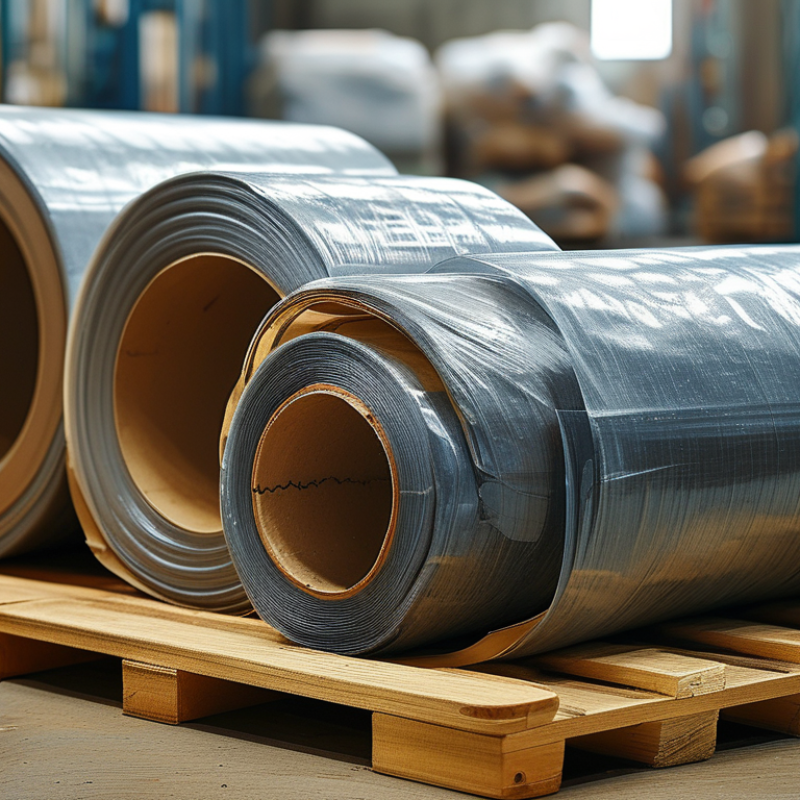
When it comes to using shrink wrap rolls, proper storage is essential. Keeping the rolls in a cool, dry place is crucial. High temperatures can cause shrink film to lose its properties. Avoid damp environments as moisture can lead to mold. Wrapping the rolls in protective layers can help maintain their integrity.
Using shrink wrap correctly enhances its effectiveness. Begin with cleaning the items you plan to wrap. Dirt can compromise adhesion. Ensure the film is evenly distributed over the items. It should cover all edges completely. For high-value items, inspect the wrap for any weak points. Don’t rush the process; take your time to achieve a secure seal.
In practice, many users find small issues arise. Sometimes the wrap might not shrink evenly. This can be frustrating. It might require adjustments in the application process. Conducting test wraps on similar items is advisable. This allows for fine-tuning techniques. Finally, always keep an eye on the expiration date of the shrink film. Using expired materials can lead to unpredictable results.