Leave Your Message

What Are the Top Shrink Wrap Roll Suppliers in 2026?

Choosing the right Shrink Wrap Roll supplier in 2026 requires more than comparing prices. Film quality can influence product protection, shelf appearance, labor efficiency, and material waste. A roll may look clear and strong, yet perform poorly during sealing or transport.

This guide examines leading suppliers through practical packaging criteria. These include film type, thickness, tensile strength, puncture resistance, shrink ratio, seal consistency, recycled content, and certification. It also considers minimum order quantities, lead times, customization, technical support, and quality control. A supplier with dependable delivery may be more valuable than one offering the lowest quotation.

Walter Soroka, a respected packaging technology author, describes packaging as “the science, art, and technology of enclosing and protecting products.” That principle remains useful when evaluating every Shrink Wrap Roll manufacturer. The strongest supplier should protect products without adding unnecessary material or operational problems.

Real-world details matter. A warehouse may need rolls that run smoothly through automatic equipment at high speed. A retailer may prioritize clean clarity and tight, wrinkle-free presentation. A food producer may demand documented compliance and stable sealing performance. These needs are not identical.

No ranking is perfect.

Supplier performance can change with resin costs, production capacity, and regional logistics. Some manufacturers publish impressive specifications but provide limited application support. Others may offer excellent technical advice while serving only large buyers. We will examine these differences carefully, using available evidence, customer experience, product data, and practical purchasing considerations. The goal is not to promote one universal winner. It is to identify the most reliable fit for different packaging operations in 2026.
What Are the Top Shrink Wrap Roll Suppliers in 2026?

What Defines a Reliable Shrink Wrap Roll Supplier in 2026?

What Are the Top Shrink Wrap Roll Suppliers in 2026?

A reliable shrink wrap roll supplier must offer more than attractive pricing. Grand View Research valued the global shrink film market at approximately USD 9.65 billion in 2023. Its analysis also forecasts steady growth through 2030. This expansion increases pressure on suppliers to maintain stable quality. Buyers should examine film thickness, shrink ratio, seal strength, and roll consistency. Small variations can cause torn corners, loose bundles, or repeated machine stops. That matters on a busy packaging line.

Traceability is equally important. A dependable supplier should provide batch numbers, technical data sheets, and documented quality checks. Independent testing should verify tensile strength, haze, puncture resistance, and shrink performance. The Smithers packaging outlook also identifies efficiency and material reduction as continuing industry priorities. Therefore, suppliers should explain how thinner films perform under real operating conditions. Samples alone are not enough. Ask for production-trial results.

Delivery discipline separates a capable supplier from a merely familiar one. Review lead times, safety-stock policies, complaint response, and contingency plans. A supplier should answer technical questions without hiding behind vague promises. However, certifications do not prove every shipment is perfect. I would still inspect incoming rolls and record defects. That habit may feel excessive. It prevents expensive surprises. Reliable partnerships grow through measurable evidence, honest corrections, and consistent support after the purchase order.
How to Compare Shrink Wrap Roll Materials, Sizes, and Performance

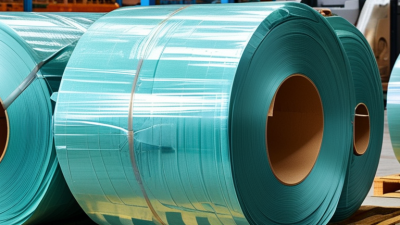
When comparing shrink wrap roll suppliers in 2026, start with the material rather than the sales pitch. Polyolefin film often provides clear presentation and reliable sealing for retail products. Polyethylene film offers greater thickness and strength for heavier cartons or bundled goods. PVC may shrink easily, but its odor, handling requirements, and environmental profile deserve careful review. Ask suppliers for technical data sheets, safety information, and recent production samples.

Size affects both machine efficiency and packaging quality. Check roll width, film thickness, core diameter, and roll length. A roll that is too wide can create waste around small packages. A narrow roll may leave exposed edges. Measure the product carefully, including corners and height. Then confirm the recommended shrink temperature, shrink ratio, and sealing range. Performance testing matters more than a low quoted price. Run samples through your actual equipment at normal speed. Watch for cloudy areas, weak seals, wrinkles, and film breaks. I have found that small differences in tension can change results noticeably.

Tips: Compare at least three samples under identical settings. Record film gauge, package size, temperature, and sealing time. Check whether the supplier can maintain consistent thickness across different batches. Request references from comparable packaging operations, but verify their claims independently. Do not ignore storage conditions; heat and sunlight can damage unused rolls. A supplier may provide excellent samples, yet production results can still vary. Build a simple inspection checklist before ordering large quantities.

What Are the Top Shrink Wrap Roll Suppliers in 2026? - How to Compare Shrink Wrap Roll Materials, Sizes, and Performance
Material / Supplier Offering Typical Thickness Common Roll Widths Typical Shrink Temperature Typical Free Shrink Range Clarity Strength & Puncture Resistance Recommended Applications Key Advantages Limitations to Check
Polyolefin (POF) Centerfold Film 12–35 microns
(0.47–1.38 mil)
200–1,500 mm
(7.9–59.1 in)
120–160°C
(248–320°F)
Cross-direction: 50–75%
Machine direction: 0–15%
Excellent High Retail products, food packaging, printed cartons, books, cosmetics, and irregular-shaped items Strong sealing performance, good transparency, low odor, broad machine compatibility, and attractive presentation Usually costs more than basic polyethylene; film selection must match the sealing equipment and product geometry
Polyolefin (POF) Single-Wound Film 12–35 microns
(0.47–1.38 mil)
150–2,000 mm
(5.9–78.7 in)
120–160°C
(248–320°F)
Cross-direction: 50–75%
Machine direction: 0–15%
Excellent High Automatic or semi-automatic packaging lines requiring continuous roll handling Efficient for high-volume production, clean seals, and consistent film feeding Requires correct unwind direction, sealing temperature, and film tension settings
Low-Density Polyethylene (LDPE) Shrink Film 40–150 microns
(1.6–5.9 mil)
300–2,500 mm
(11.8–98.4 in)
130–180°C
(266–356°F)
Typically 20–60%, depending on formulation and orientation Good Very high Bundling beverage cases, construction materials, industrial products, timber, and heavy multipacks Good impact resistance, economical for heavy-duty packaging, and available in thicker gauges Generally less clear and less visually tight than POF; excessive heat can cause distortion or weak seals
High-Density Polyethylene (HDPE) Shrink Film 30–100 microns
(1.2–3.9 mil)
300–2,000 mm
(11.8–78.7 in)
140–190°C
(284–374°F)
Typically 15–50%, depending on orientation Fair to good High Industrial bundling, pallet protection, and applications prioritizing stiffness and moisture resistance Higher stiffness, good moisture barrier, and suitable for demanding transport environments Lower clarity and a more rigid feel than POF or LDPE; sealing conditions can be less forgiving
PVC Shrink Film 20–80 microns
(0.8–3.1 mil)
100–1,500 mm
(3.9–59.1 in)
90–140°C
(194–284°F)
Typically 30–60%, depending on grade and direction Very good Medium Small retail packs, gift baskets, stationery, and low-to-medium-speed packaging operations Good clarity, relatively low shrink temperature, and easy processing on suitable equipment Can become brittle at low temperatures; ventilation and regulatory requirements should be reviewed during heating
Cross-Linked Polyolefin Film 15–40 microns
(0.59–1.57 mil)
200–1,500 mm
(7.9–59.1 in)
125–165°C
(257–329°F)
Cross-direction: 50–75%
Machine direction: 0–15%
Excellent Very high High-speed lines, sharp-edged products, premium retail packaging, and products needing enhanced abuse resistance Improved puncture resistance, stable shrink behavior, and strong appearance after shrinking Usually carries a higher material cost; processing settings must be matched carefully to avoid overheating
Recycled-Content Polyolefin Film 15–50 microns
(0.59–1.97 mil)
200–1,500 mm
(7.9–59.1 in)
Comparable to the specified POF grade; confirm with the technical data sheet Varies by recycled-content ratio and formulation Good to excellent Medium to high Packaging programs with recycled-content targets and products that can accept minor appearance variation Supports recycled-content objectives and may reduce reliance on virgin resin Performance, clarity, odor, and food-contact suitability can vary significantly; request batch and compliance documentation
Supplier comparison guidance: Before selecting a roll supplier, request a technical data sheet, sample roll, certificate of analysis, seal-strength results, shrink-force data, roll-length tolerance, core dimensions, width tolerance, packaging-line compatibility, minimum order quantity, lead time, and applicable food-contact or recycled-content documentation. Shrink temperature and shrink percentage are indicative ranges; actual results depend on film formulation, orientation, sealing equipment, tunnel temperature, dwell time, and product shape.

Which Suppliers Serve Retail, Industrial, and E-Commerce Packaging?

Retail, industrial, and e-commerce buyers need different shrink wrap roll suppliers. Retail operations usually require clear, consistent film for trays, cartons, and promotional bundles. Industrial users often prioritize puncture resistance, thicker gauges, and stable performance around irregular loads. E-commerce fulfillment adds another concern: compact rolls that run smoothly on automated equipment.

Grand View Research valued the global shrink film market at about $8.3 billion in 2023. It also projects strong growth through 2030. This expansion reflects wider use in food, consumer goods, logistics, and warehouse packaging. For supplier selection, market size alone is not enough. Buyers should compare film thickness, roll length, core dimensions, sealing temperature, shrink ratio, and machine compatibility. Small differences matter.

Reliable suppliers usually provide technical data sheets, sample rolls, and batch traceability. Industrial customers may need higher tear resistance, while online retailers may prefer thinner film that reduces package weight. Recycling targets also influence material choices. Some suppliers offer recycled content, but performance can vary between batches. That deserves testing. The PMMI packaging industry reports continue to highlight automation, labor efficiency, and sustainable materials as major purchasing factors. A practical trial should measure seal strength, film consumption, downtime, and appearance across real products. A low unit price can become expensive when rolls jam, split, or produce uneven shrink.

Shrink Film Thickness Ranges by Packaging Application in 2026

Typical commercial shrink-wrap film thickness ranges used when evaluating suppliers serving retail, industrial, and e-commerce packaging.

Retail applications commonly use thinner film for grouped products, while industrial packaging generally requires thicker film for heavier loads and greater puncture resistance. E-commerce packaging typically falls between these ranges. Actual specifications vary by product weight, load shape, machine type, and required protection.

What Quality Standards and Customization Options Should Buyers Expect?

Reliable shrink wrap roll suppliers in 2026 should provide measurable quality, not attractive claims alone. Buyers should request gauge tolerance, shrink percentage, tensile strength, puncture resistance, and seal strength. Clear film should remain consistent across the roll, without cloudy bands or weak edges. Small defects become expensive during high-speed packing.

Ask for current test reports, production lot traceability, and a certificate of analysis. Testing may follow recognized ASTM or ISO methods, depending on the film type and market. Suppliers should also explain storage limits, recommended sealing temperatures, and machine settings. In practical line trials, observe wrinkles, split seals, and uneven shrinking. These details reveal more than a showroom sample.

Customization should match the product and equipment. Options may include centerfold or single-wound rolls, different widths, gauges, shrink ratios, perforations, colors, and printed surfaces. Anti-static or UV-resistant grades may suit specialized packaging conditions. Request samples made with the same resin structure and thickness as the planned order. A thicker film is not automatically stronger. A glossy finish can still hide poor sealing. Buyers should challenge unclear claims and check whether custom specifications remain stable across repeat shipments. Suppliers sometimes promise flexibility but struggle with small production runs. That risk deserves a written discussion before approval.

How to Evaluate Pricing, Delivery, and Supplier Support Before Choosing?

Choosing a shrink wrap roll supplier in 2026 requires more than comparing prices per kilogram. Pricing should include film gauge, roll length, freight, tooling, and waste. Smithers’ market analysis, The Future of Packaging Films to 2028, identifies downgauging and material efficiency as major packaging priorities. A cheaper roll may create more tears, seal failures, and machine stoppages. That is expensive.

Ask suppliers for a written quotation with delivered cost, lead time, minimum order quantity, and payment terms. The World Bank’s Logistics Performance Index 2023 shows that shipment reliability remains a practical supply-chain concern, even when transport capacity improves. Request recent delivery records, not promises. A useful trial includes three roll batches, identical machine settings, and measurements of breakage, shrink force, and finished-pack appearance. Small details matter.

Support quality is easier to test before purchase. Ask whether the supplier provides a certificate of analysis, technical data sheet, storage guidance, and troubleshooting response times. The Packaging Machinery Manufacturers Institute reports that labor shortages continue influencing automation and packaging investment, so responsive technical support can protect production uptime. I would also request a named contact and an escalation process. My own caution is simple: one successful sample proves very little. Seasonal temperature changes, recycled-content variation, and warehouse humidity can expose weaknesses later. A supplier that admits limitations may be more reliable than one offering perfect claims.