Top 5 Shrink Wrap Tips for Efficient Packaging Solutions?
Shrink Wrap is a vital tool in packaging across various industries. It provides an effective way to protect products during transportation and storage. Proper application of shrink wrap not only ensures security but also enhances the presentation of products. However, many still struggle with achieving the best results.
Mastering shrink wrap techniques can save time and reduce material waste. Common pitfalls often arise from inadequate training and experience. Incorrect sealing or tension can lead to damaged goods. Knowing the right methods is crucial. It requires trial and error to perfect the process.
Understanding the nuances of shrink wrap application is key. For instance, choosing the correct type of wrap can impact your efficiency. Some wraps are better suited for specific applications than others. Reflecting on past experiences can lead to better practices. Ultimately, effective shrink wrap usage combines science and art.
Understanding Shrink Wrap: Types and Applications for Packaging
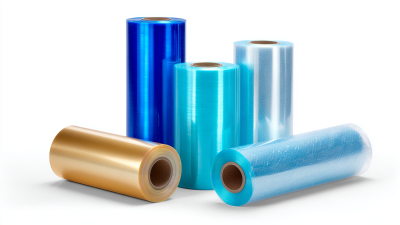
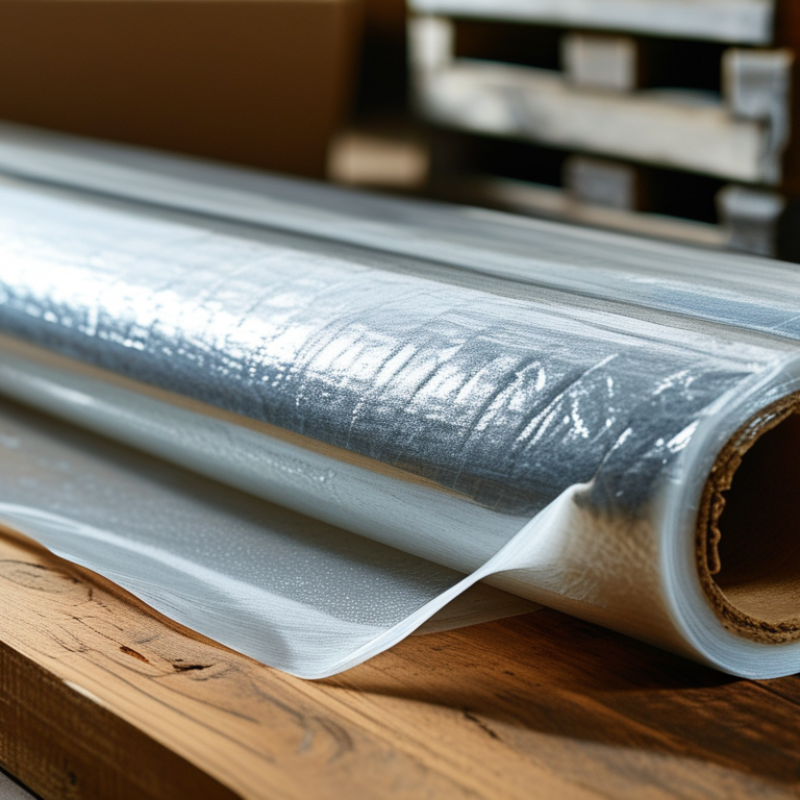
Shrink wrap is a versatile packaging solution that plays a crucial role in various industries. It comes in different types, each suited for specific applications. The most common types are centerfold, tubing, and single wound. Centerfold shrink wrap is typically used for bundling items together, while tubing is ideal for products requiring custom bag sizes. Understanding the right type is essential for effective packaging.
According to a report from MarketsandMarkets, the global shrink wrap packaging market is projected to reach $12.3 billion by 2026. This growth emphasizes the importance of efficient packaging solutions across sectors. Industries such as food, healthcare, and electronics increasingly rely on shrink wrap for product protection and shelf appeal. Proper application ensures items remain secure during shipping and handling, reducing waste and improving customer satisfaction.
However, challenges persist in shrink wrap usage. Incorrect temperature settings during the shrinking process can lead to inadequate sealing or product damage. Additionally, environmental concerns regarding plastic waste are prompting manufacturers to explore more sustainable options. Awareness of these issues is vital for businesses aiming to optimize their packaging while remaining responsible.
Top 5 Shrink Wrap Tips for Efficient Packaging Solutions
| Tip No. |
Shrink Wrap Type |
Recommended Application |
Key Benefit |
| 1 |
Polyolefin |
Food and Beverage |
Non-toxic, suitable for direct food contact |
| 2 |
PVC |
Electronics |
Cost-effective with excellent clarity |
| 3 |
PE (Polyethylene) |
Heavy Items |
Strong and durable for larger packages |
| 4 |
Shrink Film |
Retail Packaging |
Provides tight and professional appearance |
| 5 |
Barrier Shrink Film |
Perishable Goods |
Extended shelf life due to moisture resistance |
Preparing Your Products for Shrink Wrapping: Best Practices
When preparing your products for shrink wrapping, start by ensuring that they are clean and dry. Dust or moisture can cause adhesion problems. Use appropriate materials, as shrink wrap comes in various thicknesses and types. Choosing the right wrap affects the overall appearance and protection of your product.
Next, consider the size and shape of your items. Make templates to maximize materials and reduce waste. Overestimating sizes can lead to excess wrap, while underestimating can jeopardize product safety. Dimensional accuracy saves time and resources.
Don't overlook the heat source. Consistent heat is crucial for achieving a smooth finish. Too much heat can cause damage, while too little may lead to inadequate sealing. Experiment with various settings to find the ideal balance. Remember to reflect on each shrink-wrapping session. Learn from any mistakes to enhance future packaging efficiency.
Techniques for Properly Applying Shrink Wrap for Maximum Efficiency
Properly applying shrink wrap can significantly enhance packaging efficiency. Industry studies indicate that effective shrink wrap techniques can reduce packaging costs by up to 30%. Understanding how to properly apply shrink wrap is vital for minimizing waste and ensuring product safety during shipping.
One tip is to ensure the heat source is evenly distributed. Uneven heating can lead to weak seals or excessive shrinkage, compromising protection. Always keep the shrink wrap taut around the product but avoid over-shrinkage, which can distort shapes. This balance is essential not only for aesthetics but also for function.
Another crucial technique involves pre-stretching the shrink wrap before application. By pre-stretching the material, you can improve its memory, allowing for tighter and more secure packaging. Studies show that well-stretched shrink wrap can enhance stability by up to 20%. Remember, every packaging situation is unique, so continually assess your techniques for optimal results.
Top 5 Shrink Wrap Tips for Efficient Packaging Solutions
Choosing the Right Equipment for Shrink Wrapping Solutions
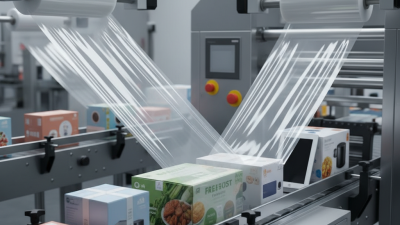
Choosing the right equipment for shrink wrapping is crucial for any packaging operation. The market for shrink wrapping equipment is expected to reach $15 billion by 2026, indicating its growing importance in various industries. Selecting the appropriate machine involves understanding your production needs, budget, and the type of products being packaged. Equipment options range from manual machines for low-volume tasks to fully automated systems for high-demand production lines.
Efficiency in shrink wrapping can often hinge on the right shrink film. Not all films provide the same shrink ratio or clarity. A 2022 industry study indicated that using the correct film can improve packaging output by up to 20%. Additionally, equipment maintenance cannot be overlooked. Regular upkeep not only extends equipment life but also improves the quality of the seals. Many companies fail to realize that inadequate maintenance can lead to costly downtime and inconsistent product presentation.
It's also essential to consider environmental impacts. With sustainability becoming a priority, some operators are exploring eco-friendly films. However, these options may require different machinery settings, leading to potential challenges in integrating them with existing processes. Acknowledging these complexities can help refine the packaging workflow and enhance overall efficiency.
Common Mistakes to Avoid in the Shrink Wrapping Process
When it comes to shrink wrapping, avoiding common mistakes is essential for successful packaging. One frequent error is not preparing the item properly before shrink wrapping. Dust, dirt, or moisture can lead to poor adhesion. Make sure that the product is clean and dry. This simple step can significantly enhance the quality of the final seal. Another aspect to consider is the choice of shrink film. Using the wrong gauge or type can result in packaging that does not fully protect the contents. Always match the film to the product’s needs for optimal results.
Another mistake people make is overheating the film during the sealing process. While it may seem minor, excessive heat can cause the film to shrink unevenly or even melt. It's crucial to monitor the temperature closely. Testing on less critical items can help gauge the right settings. Additionally, pay attention to the folding and sealing technique. Inconsistencies can lead to gaps, allowing air and elements to enter. These details matter and can determine the success of shrink wrapping. Taking the time to reflect on these practices can lead to more reliable outcomes.