Leave Your Message

What Is a Shrink Film Roll and How Is It Used?

A Shrink Film Roll is a wound supply of thermoplastic film used to bundle, protect, and stabilize products. It may contain polyethylene, PVC, or polyolefin film. The selected material depends on product shape, sealing equipment, strength needs, and display expectations. A roll can look simple, yet its performance depends on film gauge, roll tension, sealing temperature, and storage conditions.

Smithers’ The Future of Global Flexible Packaging to 2029 reports continued growth in flexible packaging, driven by convenience, shelf appeal, and lightweight formats. PMMI’s 2024 packaging outlook also identifies sustainability, automation, and efficient material use as major industry priorities. These findings explain why manufacturers are testing thinner films and better sealing systems. However, thinner is not always better. A weak film can tear around sharp corners, waste product, and increase production downtime.

Packaging specialist Dr. Susan Selke has emphasized, “Packaging decisions should consider the entire system, not one material alone.” Her view is especially relevant to Shrink Film Roll selection. Operators must match film properties with the machine, product, warehouse, and transport route. During use, the film unwinds around grouped items, seals at the edges, and contracts inside a heat tunnel. The result should be tight, clear, and stable, without burnt seams or loose folds. Small details matter. Humidity, uneven loading, and incorrect tunnel settings can change the final package noticeably. This guide explains how Shrink Film Roll products work, where they fit, and which practical factors deserve closer review before purchase. Industry reports provide direction, but real production trials remain essential.
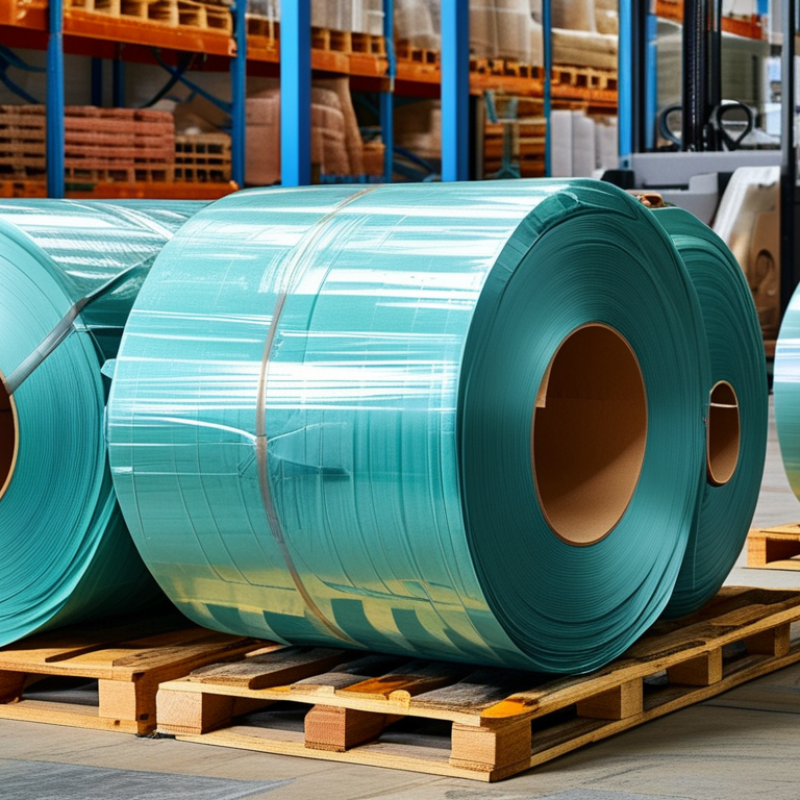
What Is a Shrink Film Roll and How Is It Used?

What Is a Shrink Film Roll?

What Is a Shrink Film Roll and How Is It Used?

What Is a Shrink Film Roll?

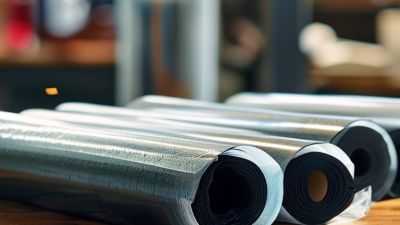
A shrink film roll is a continuous sheet of polymer film wound around a cardboard core. Most commercial grades use polyethylene, polypropylene, or polyolefin materials. The film becomes tighter when controlled heat activates its built-in shrink memory. It can wrap cartons, food trays, household products, and grouped items for transport.

A roll is not automatically a finished package. Operators first select the film width, thickness, and shrink direction. They then place the film around the product before applying heat through a tunnel or handheld system. The film contracts around edges and corners, creating a clearer, tighter load. A small mistake remains visible. Excessive heat can create holes, cloudy surfaces, or distorted packaging.

According to Grand View Research, the global shrink film market was valued at approximately USD 10.68 billion in 2023. The report projects a 6.5% compound annual growth rate from 2024 to 2030. Smithers also identifies lightweight packaging and improved product protection as important market drivers. These figures show strong demand, but they do not make every film suitable for every machine. In practice, humidity, line speed, product shape, and storage temperature affect performance. That part is often underestimated. Testing a small batch before full production is more reliable than trusting a specification sheet alone.
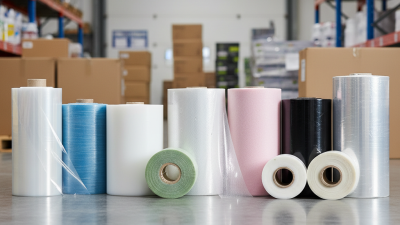
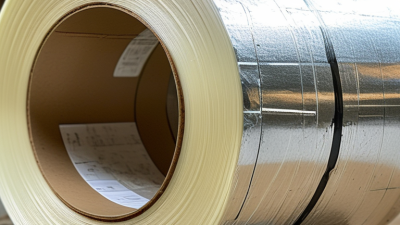
What Materials and Types Are Used in Shrink Film Rolls?

A shrink film roll is a continuous sheet of plastic wound around a core. Heat makes the film contract around a product or bundle, creating a close, protective wrap. The material and film structure determine how it performs during sealing, heating, storage, and transport.

Polyolefin film is widely selected for retail packaging because it offers good clarity, balanced strength, and reliable shrinking. It suits food packs, printed goods, and small consumer products when approved for the intended use.

Polyethylene film is thicker and more resistant to impact. It is often used for heavy cartons, construction materials, and pallet loads.

PVC film can shrink at relatively low temperatures, but its use depends on workplace requirements and local regulations. It may also become brittle in cold conditions.

Film rolls come in centerfold, single-wound, and perforated forms. Centerfold film opens around a product, while single-wound film works well with manual or automatic wrapping equipment. Perforations can improve airflow, though excessive holes may weaken the package. Measure twice.

Selecting the right roll requires checking thickness, shrink ratio, sealing temperature, roll width, and machine speed. A thin film may reduce material use, yet it can tear around sharp corners. A thicker film adds protection but may consume more energy during heating. I have seen packaging teams choose by price alone, then lose time correcting weak seals and uneven shrinkage. No film is perfect. Testing sample rolls under real production conditions remains the most reliable choice.

How Does Shrink Film Work During Packaging?

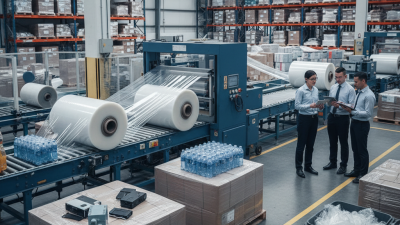
A shrink film roll is a continuous sheet of plastic used to wrap products, trays, or grouped packages. During packaging, the film first covers the item loosely. Heat then activates its memory. The polymer chains contract, pulling the film tightly around the product. A heat tunnel or handheld heat tool can provide this energy. The film becomes clearer and more stable after shrinking. It also helps reduce dust, moisture contact, and movement during handling.

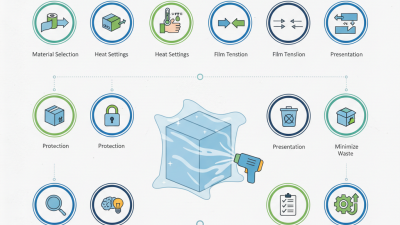
The process depends on controlled heat, airflow, and film tension. Too little heat leaves wrinkles and loose corners. Too much heat can create holes, burn marks, or product distortion. In practical packaging work, clean sealing and correct temperature matter more than speed. The package should remain visible and secure. It should not look overly stretched. Film thickness, product shape, and sealing equipment all affect the final result. A sharp edge may still puncture the film, even after careful shrinking. That detail is easy to overlook.

Tips: Keep the film dry and away from direct sunlight before use. Test a small package first. Use steady heat instead of holding the tool in one place. Leave enough film around corners for a reliable seal. Inspect the finished wrap by pressing its surface gently. If it feels brittle, the heating setting may be too high.

What Are the Main Applications of Shrink Film Rolls?

Shrink film rolls are continuous webs of polymer film wound around a core. Heat makes the film contract tightly around a product or grouped items. In practice, operators select film by thickness, shrink ratio, puncture resistance, and sealing behavior. A poorly matched film can wrinkle, tear, or damage labels.

The main application is secondary packaging. Beverage cans, bottled water, cartons, and household goods often receive a clear film bundle. The film keeps products together during transport while allowing barcode scanning and visual inspection. Food trays also use shrink film to reduce handling and protect surfaces. In warehouses, thicker film can stabilize cartons on pallets and reduce shifting during forklift movement. Industrial users may wrap pipes, furniture parts, and construction materials against dust and light moisture.

Market demand reflects this broad use. Smithers’ The Future of Global Packaging to 2028 identifies flexible packaging as a major and expanding packaging sector, supported by convenience and transport efficiency. The U.S. Environmental Protection Agency reported 14.5 million tons of plastic containers and packaging generated in 2018. That figure shows the scale of the material challenge, even though it does not isolate shrink film. Film selection therefore needs more than a low purchase price. Downgauging can reduce material use, but thinner film may increase breakage and waste. That assumption deserves testing. Recyclability also depends on local collection systems, film design, and contamination levels. In real operations, a small trial with actual products often reveals more than a supplier specification sheet.

What Is a Shrink Film Roll and How Is It Used? - What Are the Main Applications of Shrink Film Rolls?

Application Common Film Material Typical Thickness Typical Shrink Characteristics How the Film Roll Is Used Primary Packaging Benefits
Food and Beverage Multipacks Polyolefin or polyethylene 40–100 micrometres Polyolefin: approximately 40–60% shrink; polyethylene: approximately 20–80%, depending on grade and direction Film is unwound from the roll, wrapped around grouped products, heat-sealed, and passed through a heat tunnel or exposed to controlled hot air. Groups bottles, cans, cartons, or trays; provides a clear or printable outer layer and helps reduce handling during transport.
Tray and Case Wrapping Low-density polyethylene (LDPE) or linear low-density polyethylene (LLDPE) 50–150 micrometres Often designed for moderate shrinkage with high puncture and tear resistance A larger film roll is fed through an automatic or semi-automatic wrapping machine to cover trays, cases, or bundled cartons. Provides load stability, dust protection, moisture resistance, and improved package integrity during warehousing and shipping.
Retail Unit Packaging Polyolefin, polyethylene, or PVC where permitted 15–50 micrometres Commonly 30–70% shrink, depending on film structure and orientation Center-folded or single-wound film is placed around individual products and sealed with an L-bar sealer, side sealer, or manual heat sealer. Creates a neat, transparent package; helps deter tampering and keeps small product components together.
Book, Stationery, and Printed Product Protection Polyolefin or low-density polyethylene 15–40 micrometres Low to medium shrinkage is preferred to avoid excessive distortion or curling The film is wrapped around books, magazines, cards, or stationery sets and shrunk with controlled heat. Protects surfaces from scuffs, dust, and light moisture while maintaining product visibility.
Hardware and Industrial Parts Polyethylene or heavy-duty polyolefin 75–200 micrometres Moderate shrinkage with enhanced puncture resistance Film is cut from a roll, wrapped around parts or kits, sealed, and heated manually or in a shrink tunnel. Bundles irregular components, limits movement, and provides protection against dirt and surface abrasion.
Pallet and Unit-Load Stabilization Stretch film or shrink-grade polyethylene, depending on the equipment and load design 50–200 micrometres Film is selected for holding force, puncture resistance, and controlled shrinkage rather than appearance Large rolls are applied around stacked cartons or products using a hooding, bundling, or pallet-wrapping system, followed by heat when required. Improves load stability and helps protect goods from dust, moisture, and shifting during transportation.
Construction Materials and Building Products Heavy-duty polyethylene 100–250 micrometres Low to moderate shrinkage with high tensile and puncture resistance Film is wrapped around insulation, pipes, panels, tiles, timber packs, or other bundled materials and then heated when shrink packaging is specified. Combines bundling with temporary protection from dirt, rain splash, and handling damage.
Wire, Cable, and Long-Product Bundling Polyethylene or polyolefin 50–150 micrometres Moderate shrinkage with good longitudinal strength Film is applied from a roll around coils, cable sets, rods, or long products using a wrapping and sealing machine. Keeps products organized, reduces loose ends, and adds protection during storage and distribution.
Logistics and E-Commerce Bundles Polyolefin or polyethylene 30–100 micrometres Selected according to bundle size, load weight, and required puncture resistance Roll film is used with manual, semi-automatic, or automatic equipment to consolidate multiple items into one shipping unit. Reduces product separation, improves package presentation, and helps protect contents from dust and handling damage.
Tamper-Evident Seals and Security Bands PVC, polyolefin, or PETG shrink film 30–80 micrometres Usually high transverse shrinkage for tight fitting around caps, lids, or containers Narrow bands are slit from a wider roll, positioned around closures, and shrunk with hot air or infrared equipment. Shows visible evidence of package opening and can support printed instructions, safety messages, or product identification.
Industrial and Consumer Product Label Sleeves PVC, PETG, or oriented polyolefin 40–60 micrometres Commonly high cross-direction shrinkage, often approximately 50–80% for sleeve applications Printed sleeve material is supplied on rolls, formed around containers, and shrunk to follow the product shape. Provides 360-degree graphics, strong shelf visibility, and coverage for containers with complex shapes.
Note: Thickness, shrink percentage, shrink temperature, and sealing conditions are typical industry ranges rather than universal specifications. Actual performance depends on resin type, film orientation, machine settings, package geometry, and the manufacturer’s technical data sheet.

How Should Shrink Film Rolls Be Selected and Stored?

What Is a Shrink Film Roll and How Is It Used?

Selecting a shrink film roll begins with the product, not the machine. Measure package dimensions, corner sharpness, weight, and required shrink direction. Polyolefin film suits many retail packages, while polyethylene film offers greater toughness for grouped or heavier loads. Check film gauge carefully. Thicker film is not automatically safer; it can increase material use and sealing costs.

A 2023 PlasticsEurope report recorded 400.3 million tonnes of global plastics production in 2022, making material efficiency an important purchasing concern.

Ask suppliers for shrink percentage, seal strength, haze, coefficient of friction, and recommended temperature ranges. These figures should match your tunnel and sealing equipment. Smithers’ flexible packaging market analysis projects global demand to approach 300 billion dollars by 2028. That growth increases pressure to reduce waste, but thinner film may create punctures or unstable bundles. I would not trust a glossy sample alone. Test a full roll on the actual production line.

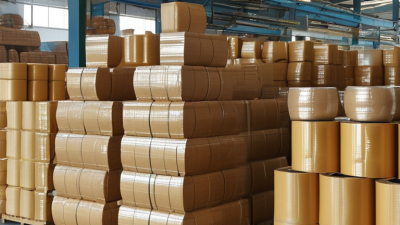
Storage conditions matter more than many warehouses admit. Keep rolls indoors, away from direct sunlight, heaters, moisture, and chemical vapors. Maintain a stable temperature, ideally around 15–25°C, and avoid placing rolls directly on concrete floors. Store them vertically or according to the converter’s instructions, with cores protected from impact. Use older rolls first. Inspect for crushed edges, telescoping, blocking, or cloudy surfaces before loading. A forgotten roll can look acceptable outside and still perform poorly during sealing. Temperature guidance deserves verification for each film structure.