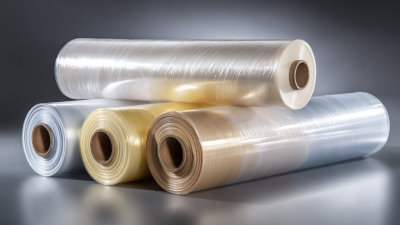
10 Shrink Film Packaging Tips for Global Buyers
Shrink Film Packaging supports product protection, unitization, and efficient pallet movement across international supply chains. Yet global buying decisions rarely depend on film price alone. Thickness, sealing performance, puncture resistance, printing quality, and recycling compatibility can change the real landed cost.
Industry evidence shows why this category deserves careful review. Smithers’ market research on flexible packaging identifies continued demand for lightweight films, while also highlighting pressure to improve material efficiency and sustainability. PMMI’s packaging industry reports similarly emphasize automation, labor savings, and reliable machine performance as major buyer concerns. These findings matter on the warehouse floor. A weak film may split around a sharp carton corner, causing rework before export.
The following ten tips translate those market signals into practical purchasing checks. They address film structure, shrink ratio, load stability, equipment settings, supplier verification, and documentation. Buyers should compare samples under realistic conditions, including cold storage, humid ports, long-distance handling, and uneven pallets. A perfect laboratory result may fail during a rainy transfer.
No checklist is flawless.
Sustainability also requires more than a recycled-content claim. Buyers should request technical data sheets, test methods, certification details, and clear information about local recovery systems. The Ellen MacArthur Foundation and the Consumer Goods Forum both stress design choices that support a circular plastics economy, but infrastructure varies widely between markets. That limitation deserves honest attention.
Reliable Shrink Film Packaging decisions combine measurable performance with responsible sourcing. The goal is not simply thinner film. It is dependable protection, controlled material use, and fewer avoidable failures from factory to customer.

Understanding Shrink Film Types and Packaging Requirements
10 Shrink Film Packaging Tips for Global Buyers
Understanding Shrink Film Types and Packaging Requirements
Shrink film selection starts with the product, not the roll. Polyolefin film suits retail packs that need clarity and soft handling. Polyethylene offers thicker protection for cartons, bundles, and irregular loads. PVC may appear economical, but temperature behavior and disposal expectations require closer review. Ask for gauge, shrink ratio, seal range, and test data. Do not rely on appearance alone.
Packaging requirements change across climates, transport routes, and machine settings. A film tested in a dry warehouse may wrinkle in humid coastal storage. Request samples before approving volume production. Test drop resistance, seal strength, puncture performance, and shrink uniformity. Measure the finished pack after heating. Edges should stay tight, while labels and corners remain readable. Global buyers should also confirm food-contact status, recycling marks, and documentation for the destination market. Requirements differ.
Film thickness is often over-specified. Too much material raises cost and may slow shrinking. Too little film can split around sharp corners. One practical trial used a controlled heat tunnel, then repeated testing after cold storage. The results were useful, but not perfect. Some packs still showed loose seams. That weakness led to a better sealing temperature and a wider inspection checklist. Keep records of film lot, machine speed, tunnel temperature, and failure points. Small details matter.
Selecting Film Specifications for Product Protection and Presentation
Choosing shrink film starts with product risks, not a preferred thickness. A glass jar may need puncture resistance, while a boxed cosmetic item may need clarity and clean folds. Measure the package, including corners, handles, and uneven surfaces. Measure twice. Then compare film width with the sealing equipment. A 45-micron film may look economical, yet it can tear around sharp edges. Small variations matter.
Film selection should match the product’s weight, shape, and distribution route. Check shrink ratio in both directions, seal strength, tear resistance, haze, and gloss. For frozen or humid shipments, confirm performance at low temperatures and during condensation. Ask for technical data, but test actual packed units. Lab results are useful. They are not the shipment. Run samples through the intended tunnel, conveyor speed, and sealing conditions. Watch for loose ends, whitening, burn marks, and trapped air.
A reliable purchasing specification should state thickness tolerance, roll dimensions, core size, packaging, and inspection method. Ink, labels, and contact surfaces should suit the product and applicable market requirements. Do not assume one film grade fits every country or season. Dry inland air may behave differently from coastal humidity. In production trials, attractive packs can fail when film is chosen for appearance alone. That mistake is avoidable, though no trial predicts every handling event. Keep retained samples and record changes in film, machine settings, and carton loading. Better data often beats confident guesses.
Managing Costs, Shipping, Storage, and Sustainable Packaging Choices
Global buyers should treat shrink film as a total-cost decision, not merely a unit-price purchase. Choose the thinnest film that protects the load, but confirm puncture resistance through drop and vibration tests. Test it. A 23-micron film may reduce material use, yet thicker film could prevent costly product damage during ocean transport. Ask suppliers for measured thickness, tensile strength, and batch consistency.
Shipping costs often depend on volume, weight, and pallet stability. Compare film rolls by usable coverage, not roll price alone. Select roll dimensions that fit existing equipment and reduce empty pallet space. Secure corners before wrapping, then check load movement after a simulated journey. Store cartons indoors, away from sunlight, moisture, and heaters. Keep rolls upright when specified, and rotate inventory by receiving date. Poor storage can create brittle film before use.
Sustainability requires evidence and careful trade-offs. Request recycled-content details, recyclability guidance, and relevant test reports. Avoid choosing a recyclable film that fails after one shipment. A lighter structure may lower waste, but repeated rewrapping can erase that benefit. Measure film consumption per pallet, damaged goods, and disposal volume each month. Results may challenge the original plan. For mixed-material loads, confirm local recycling capabilities before making environmental claims. Specifications, trial records, and shipment feedback create a more reliable purchasing decision than assumptions.
10 Shrink Film Packaging Tips for Global Buyers
Managing Costs, Shipping, Storage, and Sustainable Packaging Choices
This planning benchmark shows how a typical global shrink-film packaging budget can be distributed across major landed-cost categories. Buyers can reduce total cost by using the minimum effective film gauge, improving load stability, increasing pallet utilization, consolidating shipments, controlling storage time, and selecting recyclable mono-material structures where product protection allows.
1. Specify film performance before selecting gauge.
2. Use pre-stretch and consistent wrapping tension.
3. Optimize roll length and core dimensions.
4. Improve pallet cube utilization.
5. Consolidate export shipments where practical.
6. Protect film from heat, moisture, and UV exposure.
7. Set minimum and maximum inventory levels.
8. Verify packaging compliance in destination markets.
9. Prefer recyclable mono-material options when suitable.
10. Track film usage per packed unit and damage rate.