Why Does Plastic Wrap Shrink When Heated?
Plastic wrap shrinkage is a fascinating phenomenon that intrigues many. When heated, the stretchable material undergoes noticeable changes. The science behind plastic wrap shrink is rooted in the properties of polymers. Understanding these changes requires a closer look at how heat affects the molecular structure.
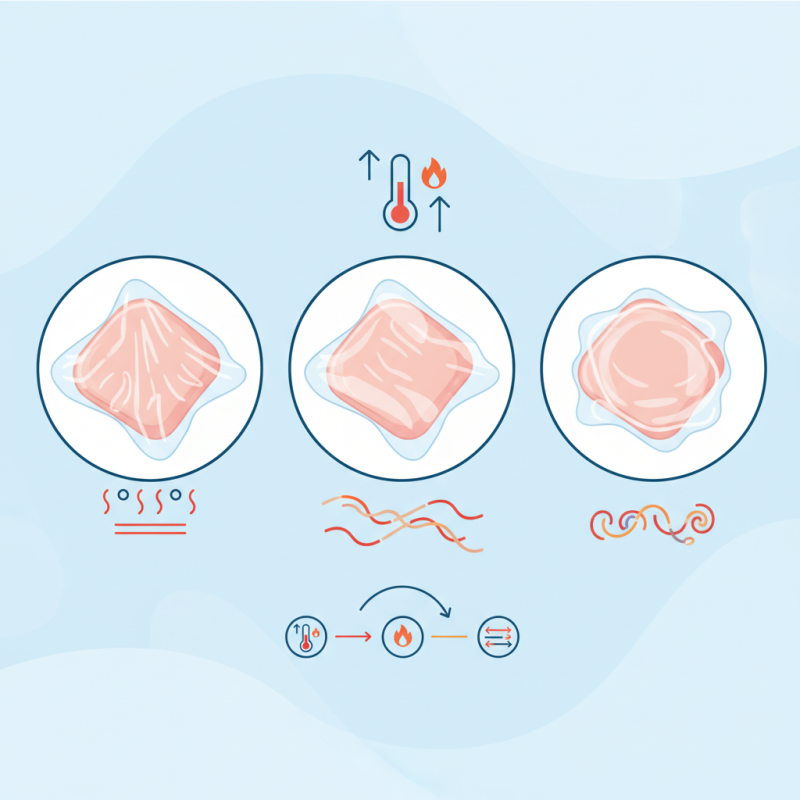
As the temperature rises, the plastic wrap's polymers start to lose their rigidity. The heat causes these chains to move and retract. This process is primarily thermal expansion. However, it also involves some imperfections in the plastic itself. Not all plastic wraps react identically when heated; differences in manufacturing can influence the extent of shrinkage.
For many, using plastic wrap in cooking or storage is routine, but misunderstanding its behavior is common. The unpredictability of how plastic wrap shrink occurs can be surprising. Observing this process can lead to insights about material science and everyday use. Heating plastic wrap may not always yield the expected results. This unpredictability invites reflection on our understanding of common kitchen tools.
What is Plastic Wrap Made Of?
Plastic wrap, commonly found in kitchens, is primarily made of polyvinyl chloride (PVC) or low-density polyethylene (LDPE). PVC is a versatile plastic that offers excellent cling properties. LDPE, on the other hand, is known for its flexibility and transparency. These materials are chosen for their ability to stretch and conform to different shapes. They provide a tight seal around food, helping to keep it fresh for longer periods.
When heated, plastic wrap undergoes a transformation. The heat causes the plastic molecules to move and rearrange. This process leads to shrinking. As the wrap heats up, it loses its original shape, becoming more compact. This can sometimes be frustrating when you’re trying to use it. The clingy nature can result in sticking to itself rather than the intended surface. While the convenience of plastic wrap is clear, dealing with its shrinking behavior can be a challenge.
Understanding the composition helps users manage its behavior. Knowing the differences between PVC and LDPE can guide your choices. Experimenting with heat levels will lead to better results. Learning about plastic wrap's behavior in various conditions allows for improved use.
Understanding the Properties of Thermoplastics
Plastic wrap, a common kitchen item, exhibits intriguing properties, particularly when heated. Understanding the characteristics of thermoplastics helps explain this phenomenon. Thermoplastics are materials that become pliable upon heating. When plastic wrap is exposed to heat, the molecular structure changes. This change causes the wrap to shrink tightly around objects.
Thermoplastics like polyethylene, commonly used in plastic wraps, have long chains of molecules. When heated, these chains lose their rigidity and can move closer together. As they cool, they lock into this new, tighter formation. This is why heated plastic wrap hugs food or containers snugly. It creates an effective seal that helps preserve freshness.
Tips: Use plastic wrap when storing leftovers. Always ensure the wrap clings tightly to prevent air exposure. When reheating food, place a microwave-safe cover over the dish. It’s essential to observe how different wraps behave. Not all wraps react the same way to heat. Experiment to see what works best in your kitchen.
The Science Behind Heat and Plastic Behavior
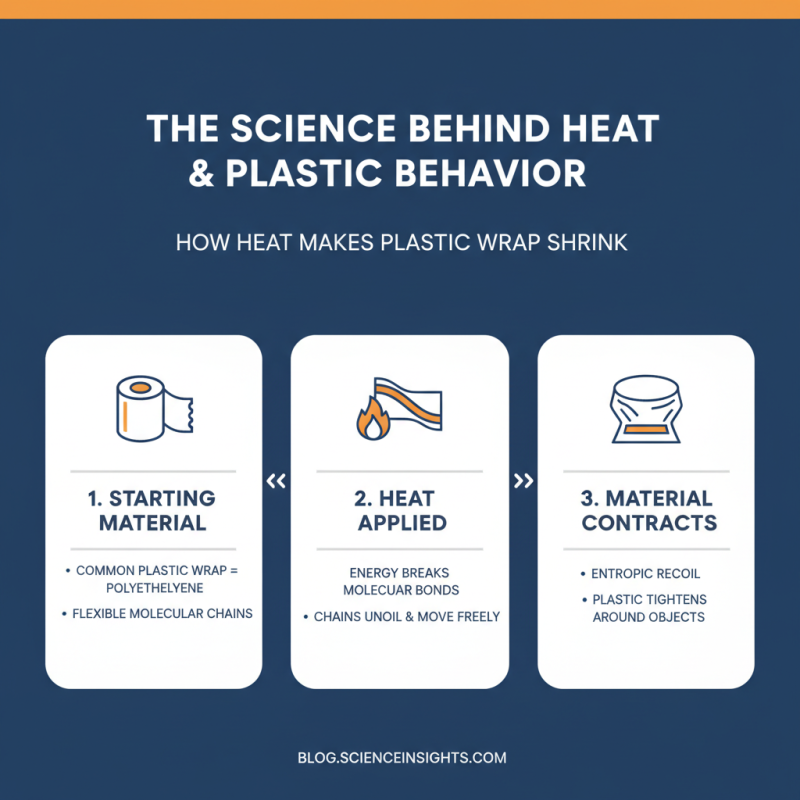
Plastic wrap is a common kitchen item. When heated, it shrinks significantly. This behavior is related to the molecular structure of the plastic. Most plastic wraps are made from polyethylene. When heat is applied, the bonds between the molecules break. This causes the material to contract tightly around objects.
Heat causes the plastic to become more pliable. As it cools, the molecules return to their original, tighter state. The result is a snug fit that seals in freshness. Understanding this can help in food preservation. It’s essential to use the correct heat levels. Overheating can lead to melting or damage.
Tip: Always check the recommended temperatures for melting. Experimenting with small pieces can yield great results.
Using plastic wrap effectively requires some practice. Wrapping food should be done tightly, without excess air. Ensuring this can extend the shelf life of your food. Remember, though, not every plastic wrap behaves the same way. Some may not shrink as expected, leading to possible disappointments.
Mechanism of Shrinking in Plastic Wrap
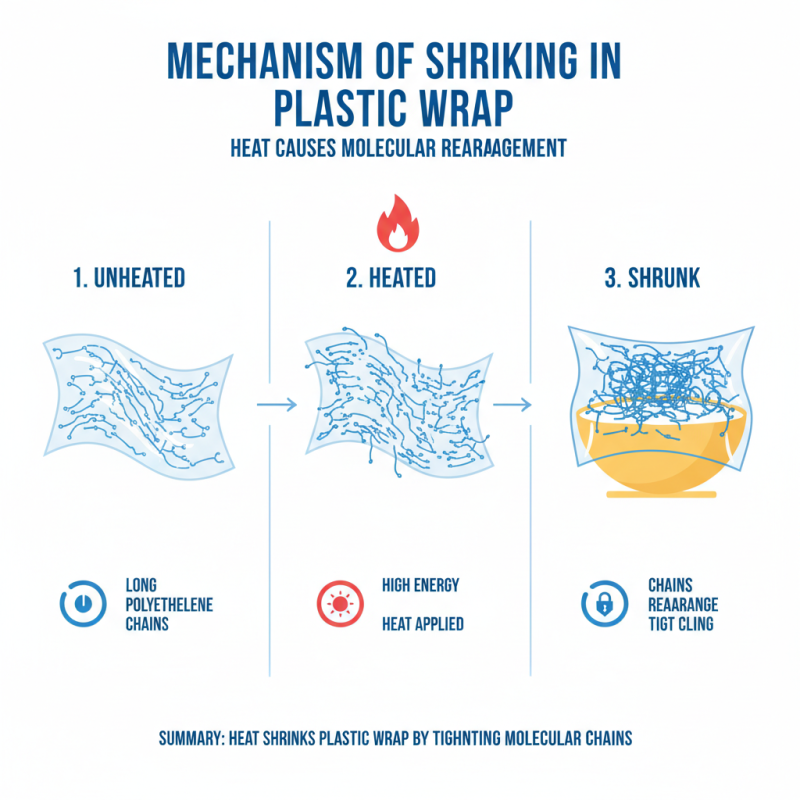
Plastic wrap, often seen in kitchens, shrinks when heated due to its unique molecular structure. This wrap is typically made from polyethylene, a polymer with long chains of molecules. When heat is applied, these chains gain energy and move more freely. As the temperature rises, the material enters a phase where it contracts. This is because the heat allows the molecular structure to rearrange itself. The wrap may cling tightly to food during this process.
Understanding the mechanism of shrinking provides insight into its practical use. When heated, the wrap becomes tighter, creating a seal around food. This helps preserve freshness and prevents leakage. The way plastic wrap responds to heat is a great example of thermoplastic behavior. These materials can be stretched and molded when warm, but they revert to a smaller size when cooled.
However, not all plastic wraps are equal. Some may not shrink effectively or may even release harmful chemicals when heated. It's essential to choose products wisely, considering both safety and effectiveness. The relationship between heat and plastic wrap is fascinating, yet it invites reflection on our choices. Are we using these materials responsibly?
Applications and Implications of Shrinkage in Food Safety
The shrinkage of plastic wrap when heated plays a vital role in food safety. This phenomenon occurs due to the physical properties of polymer films, which change under elevated temperatures. Researchers from the Food Packaging Association found that heat-shrinkable films can reduce food spoilage by approximately 30%. This is crucial in preserving the quality and safety of perishable items.
Heat-shrinking helps create a tight seal around food products. A well-sealed package can prevent contaminants from entering, greatly minimizing the risk of foodborne illnesses. In fact, the Centers for Disease Control and Prevention (CDC) estimate that 48 million people in the U.S. get sick from foodborne pathogens each year. Proper use of plastic wrap can be a simple yet effective method to enhance food safety at home and in commercial settings.
However, not all food items react the same way with heat-shrinkable materials. Certain sensitive foods may lose freshness when sealed tightly. Consumers must understand the limitations of using plastic wrap. The ideal practice involves balancing protection and maintaining the inherent qualities of the food.
Impact of Heat on Plastic Wrap Shrinkage
This bar chart illustrates the relationship between temperature and the percentage of shrinkage experienced by plastic wrap when heated. As the temperature increases, the shrinkage percentage rises significantly, with notable changes observed at different temperature thresholds.