Why is Food Grade Film Essential for Safe Packaging?
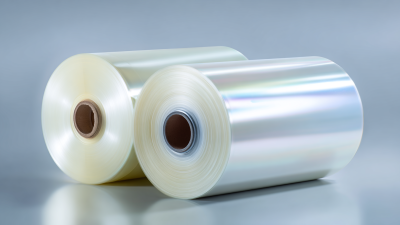
Food Grade Film plays a crucial role in ensuring the safety of packaged food products. As consumer awareness increases, the demand for safe packaging solutions has surged. Industry reports indicate that the global food grade film market is projected to reach $25 billion by 2026, reflecting a significant shift in consumer preferences towards safer food packaging.
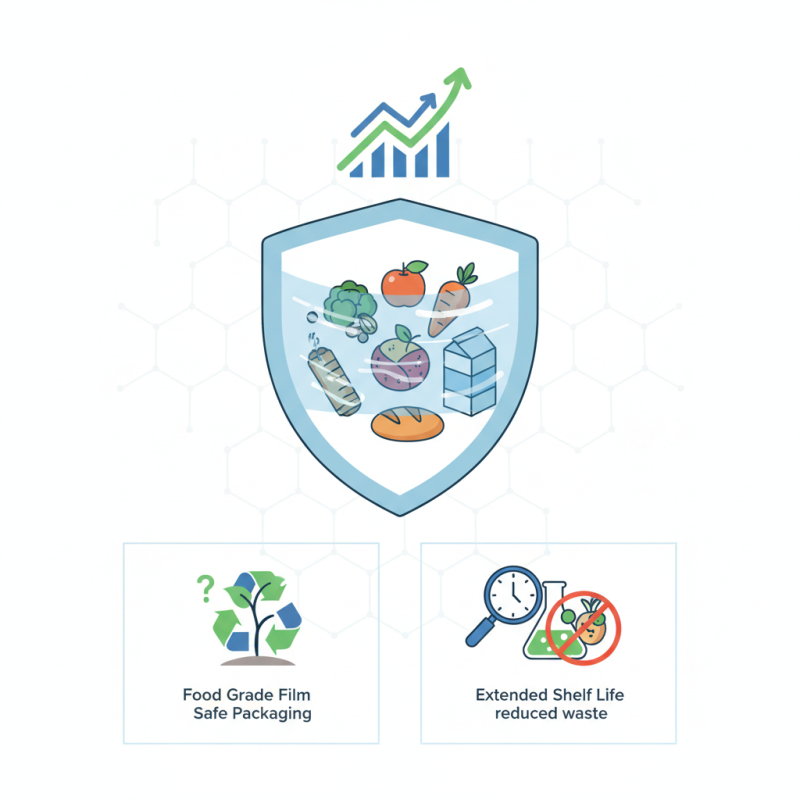
Using Food Grade Film can extend the shelf life of various food items. For instance, it can reduce spoilage and waste rates, which hover around 30% in the food supply chain. This film is designed to be non-toxic and compliant with safety standards. However, not all films labeled "food grade" may meet stringent guidelines. Manufacturers must ensure their products undergo rigorous testing and certification.
In an age of growing environmental concern, the sustainability of Food Grade Film is also worth discussing. While many films are recyclable, the industry still faces challenges. Questions about biodegradability and the environmental impact of production processes arise frequently. Consumers and manufacturers alike must remain vigilant in choosing materials that safeguard food without compromising environmental health.
The Importance of Food Grade Film in Packaging Safety
Food grade film plays a critical role in food packaging safety. According to a report by the Food and Drug Administration (FDA), over 48 million people in the U.S. experience foodborne illnesses each year. Maintaining food safety is crucial. The right packaging materials can significantly reduce these risks.
Food grade films are designed to meet strict safety standards. They are made from materials that are non-toxic and safe for direct contact with food. Research shows that using these films can prolong shelf life and prevent contamination. For instance, a study published by the Institute of Food Technologists revealed that using high-quality films reduces spoilage by up to 30%.
Despite advancements, challenges remain. Not all food grade films provide the same level of protection. Some may degrade under certain conditions, risking food quality. It is essential for manufacturers to choose films judiciously and to emphasize ongoing testing and quality assurance. Each package should be evaluated for compatibility with its contents. This ensures that food safety is not compromised.
Why is Food Grade Film Essential for Safe Packaging? - The Importance of Food Grade Film in Packaging Safety
| Material Type |
Common Uses |
Safety Features |
Regulatory Standards |
Environmental Impact |
| Polyethylene (PE) |
Food wrap, bags, pouches |
Non-toxic, moisture-resistant |
FDA approved |
Recyclable |
| Polypropylene (PP) |
Containers, films, labels |
High heat resistance |
Meets food contact regulations |
Easily recyclable |
| Polyvinyl Chloride (PVC) |
Cling film, food storage |
Good barrier properties |
Regulated for food use |
Not easily recyclable |
| Laminated Films |
Snack packages, coffee bags |
Enhanced durability, moisture resistance |
Complies with food safety standards |
Varies by material used |
| Biodegradable Films |
Fresh produce bags, wraps |
Compostable, eco-friendly |
Certified compostable |
Positive environmental impact |
Key Properties of Food Grade Films That Ensure Food Safety
Food grade films play a crucial role in food packaging. These films ensure that food remains safe and uncontaminated. One key property is their resistance to moisture. This barrier keeps food fresh and reduces spoilage. Additionally, food grade films are designed to prevent harmful substances from leaching into the food. This is essential for maintaining nutritional value and safety.
Another important feature is their ability to withstand temperature fluctuations. Many food products require specific storage conditions. Food grade films maintain the integrity of packaging in both cold and warm environments. They are also often transparent, allowing consumers to see the product while still protecting it.
Tip: Always check for proper certifications when selecting food packaging materials. Ensure they meet safety standards to avoid potential health risks. A simple oversight can lead to serious contamination concerns.
Food grade films should also be easy to handle. Poorly designed packaging can frustrate both consumers and processors. Make sure that the packaging method enhances usability while maintaining safety.
Common Applications of Food Grade Films in the Food Industry
Food grade films play a vital role in the food industry. They ensure safety and quality from production to consumption. These films are designed to be non-toxic and safe for direct contact with food. They prevent contamination while maintaining freshness.
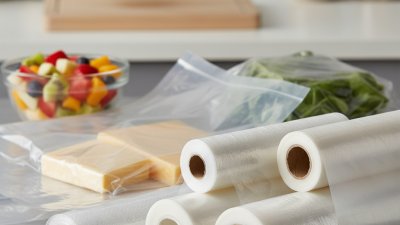
One common application is in food packaging. For instance, vacuum-sealed bags keep meats and cheeses fresh for longer. This helps reduce food waste and maintain flavor. Another use is in microwave-safe containers for ready-to-eat meals. They allow convenient reheating without leaching harmful substances into the food.
However, not all food grade films are created equal. Thickness and permeability may vary, influencing shelf life and protection. Some poorly designed films can tear easily or not adhere properly. It's crucial to choose films that meet industry standards for safety and durability. Making informed choices ensures that food remains safe for consumers.
Regulatory Standards and Certifications for Food Grade Packaging
Food grade packaging plays a crucial role in ensuring our safety. Regulatory standards set strict requirements for materials used in food packaging. These standards cover everything from chemical properties to manufacturing processes. They aim to prevent contamination and ensure products are safe for consumption.
Certifications for food grade films vary by region. For example, the FDA in the U.S. and EFSA in Europe provide guidelines. Manufacturers must adhere to these regulations to prove the safety of their products. While many companies claim compliance, consumers should verify these certifications. Not all packaging is created equal.
The journey of food grade packaging involves continuous improvement. There are always new materials and technologies emerging. However, not every solution is without downsides. Some innovations may pose unexpected risks. Transparency in the industry is essential. It allows consumers to make informed choices. Safety must always be the priority in food packaging.
Why is Food Grade Film Essential for Safe Packaging?
Future Trends in Food Grade Film Technology and Sustainability
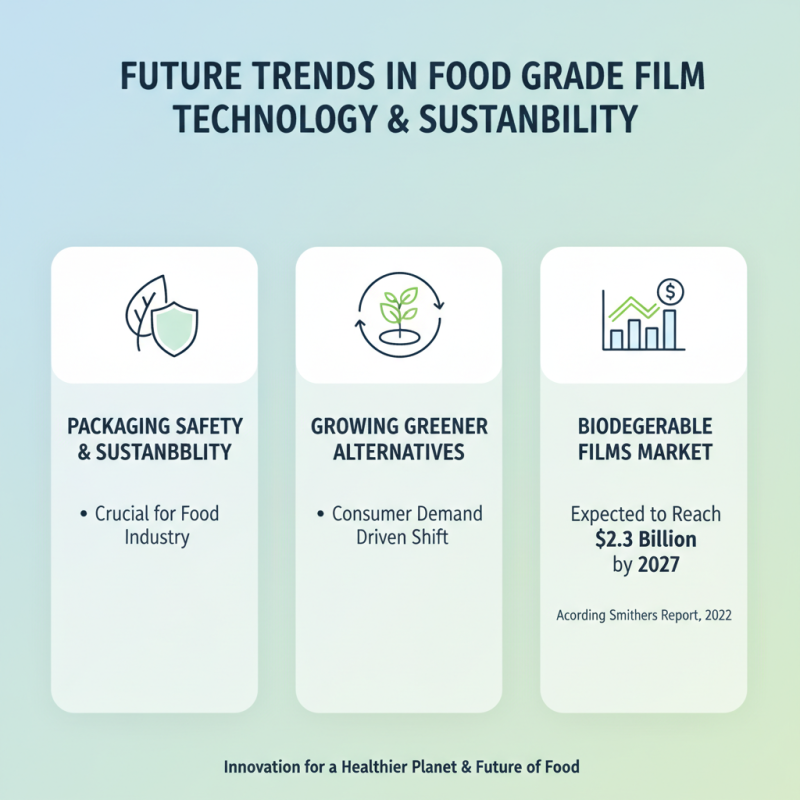
Innovation in food grade film technology is crucial for packaging safety and sustainability. As the food industry faces increasing scrutiny over environmental impact, advanced materials are emerging. According to a 2022 report by Smithers, the global market for biodegradable films is expected to reach $2.3 billion by 2027. This shift indicates a growing consumer demand for greener alternatives, emphasizing the importance of sustainable packaging.
New food grade films include bio-based and compostable materials. These films reduce plastic pollution and align with stricter regulations. Industry experts highlight that films made from renewable resources can lower the carbon footprint significantly. However, questions remain about their performance compared to traditional films. For instance, their barrier properties may not always meet food safety standards.
Despite advancements, some challenges linger. The recycling infrastructure for food grade films is limited in many regions. The complexity of sorting contaminated material can hinder sustainability efforts. Moreover, consumer awareness about these materials is still low. This gap requires ongoing education and innovation to ensure that food packaging is safe and eco-friendly. Balancing these needs will shape the future of food grade films and their role in sustainable practices.