10 Essential Tips for Choosing Food Grade Film for Safe Food Storage
Choosing the right Food Grade Film is essential for safe food storage. The correct film helps preserve freshness, flavor, and nutrition. It can also protect against contamination. However, many people overlook key factors when selecting these films. This decision is crucial for both home cooks and food service professionals.
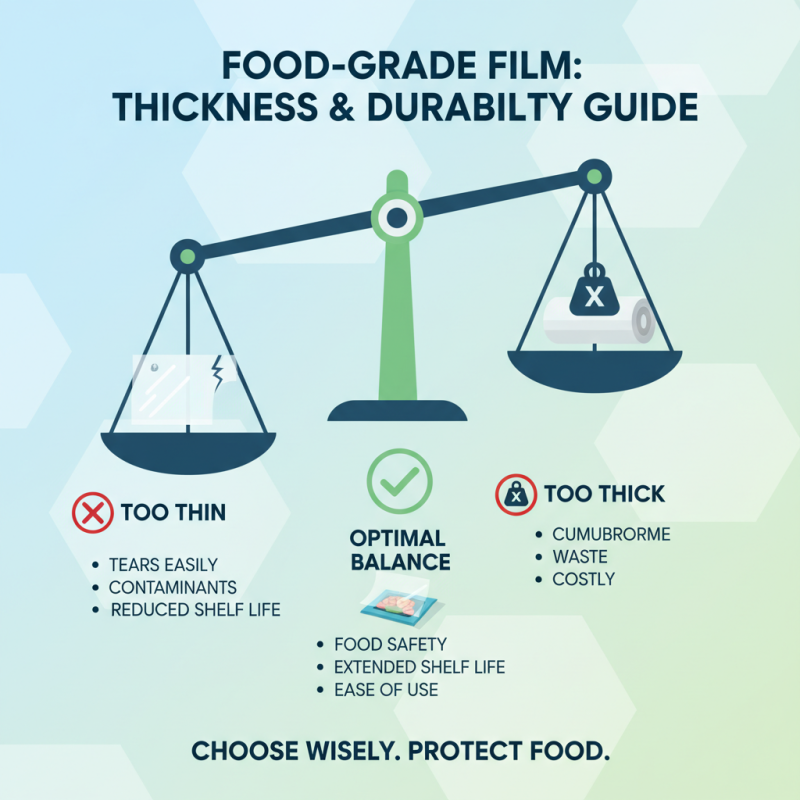
Not all films labeled as food grade are created equal. Some might not provide the same level of protection. Different materials offer varying degrees of durability and barrier properties. Users should consider factors like thickness and transparency. Knowing how to assess these features can lead to better food storage solutions.
It’s also important to be aware of common mistakes. For instance, individuals often choose films that are unsuitable for their specific food types. This can result in spoilage or unwanted reactions. By understanding these pitfalls, consumers can make more informed choices. Investing time in learning about Food Grade Film will ultimately lead to safer and tastier meals.
Understanding Food Grade Film: What It Is and Why It Matters
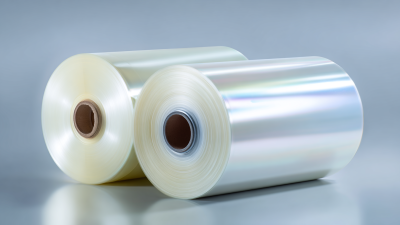
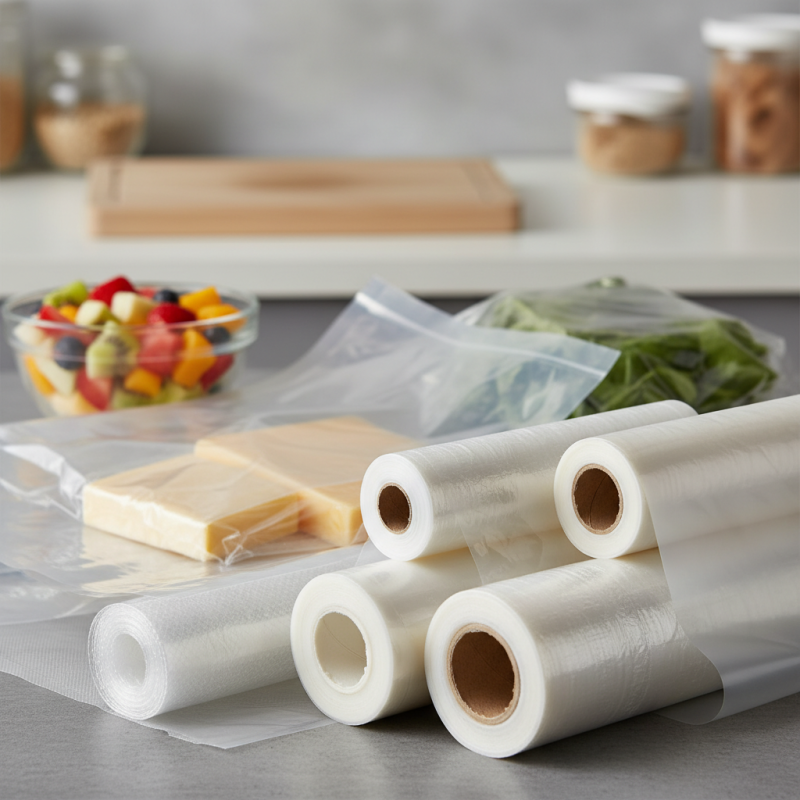
Food grade film plays a vital role in food safety and preservation. It is designed specifically for storing food items. Unlike regular plastic wraps, food grade films are made from materials that are safe for direct contact with food. This safety is essential to prevent harmful chemicals from leaching into the food during storage.
Choosing the right food grade film can be confusing. Many options are available in various thicknesses and materials. It’s important to know the characteristics that define food grade films. They should be durable, resistant to punctures, and have good sealing properties. However, the labeling can sometimes be misleading. Double-checking certification and compliance with food safety standards is crucial.
Neglecting the importance of proper film can lead to food spoilage. Some films may not provide adequate protection, resulting in contamination. Consider the types of foods you intend to store. Films suitable for meats may not work well with fruits. Understanding these nuances ensures better food storage practices. In the end, effective food storage is not just about convenience; it is about safety and maintaining quality.
Key Materials Used in Food Grade Films: Safety and Composition
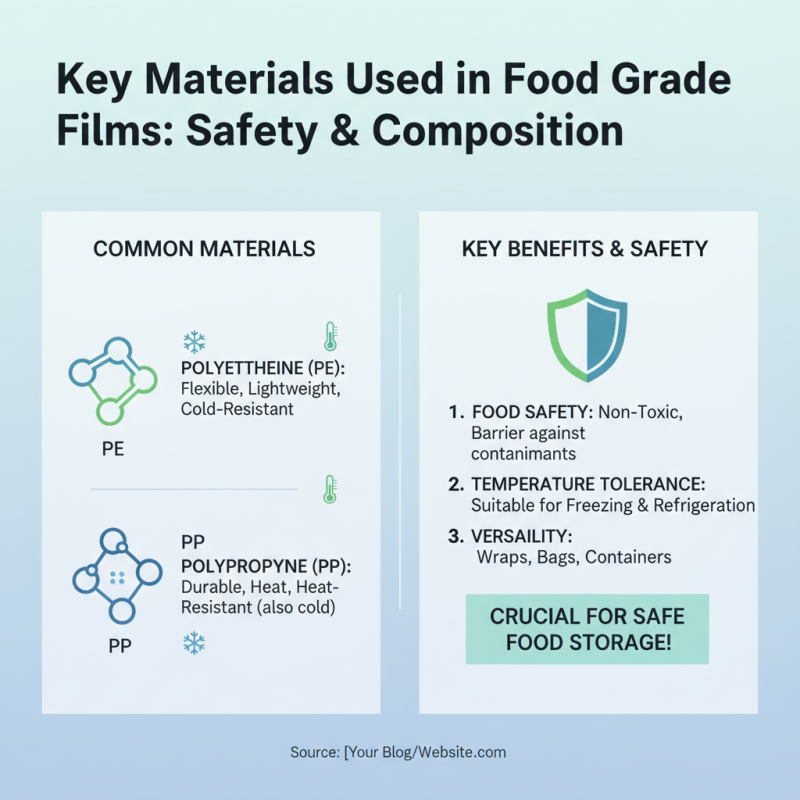
When selecting food-grade film, understanding the materials used is crucial for safety. Commonly, polyethylene and polypropylene are popular choices. These plastics are lightweight and flexible, making them ideal for various food items. They can withstand cold temperatures, which is essential for proper food storage.
However, not all films are created equal. Some may contain additives that could leach into food during storage. It's vital to check for BPA-free options and certifications ensuring food safety. Choosing compostable films can also help reduce environmental impact while maintaining safety standards.
Thoughtfully considering material composition can lead to better food preservation. Each choice comes with trade-offs. For example, while thicker films offer more durability, they can be less flexible and harder to handle. Regular evaluation of your food storage practices can lead to improvements in safety and sustainability. Remain aware of new advancements in food-grade films and their materials to stay informed.
Considerations for Food Compatibility: Ensuring Safe Storage
When choosing food grade film, compatibility with the food type is crucial. Different foods release various chemicals. For example, acidic foods can react negatively with certain films. Always assess the food's properties before selection.
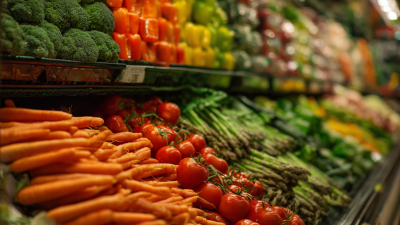
Consider the film's permeability. Oxygen and moisture can enter and affect food quality. Films with low permeability are often better for meats and dairy. However, they may not be suitable for fruits and vegetables, which need some air circulation.
Evaluate the storage time required as well. Some films may only last for short-term needs. Think about how long you intend to store the food. This consideration affects freshness and safety. Always look for indicators of food-grade materials. Familiarize yourself with standards that ensure safety and minimize risks.
10 Essential Tips for Choosing Food Grade Film for Safe Food Storage
| Tip Number |
Consideration |
Description |
Food Compatibility |
| 1 |
Material Type |
Select films made from materials like polyethylene or polypropylene that are food safe. |
Fruits, Vegetables |
| 2 |
Thickness |
Choose the appropriate thickness to ensure durability while maintaining flexibility. |
Meats, Cheese |
| 3 |
Vapor Barrier |
Ensure the film acts as a vapor barrier to preserve food freshness. |
Bakery Products |
| 4 |
Heat Resistance |
Select films that can withstand heat if intended for cooking or reheating. |
Cooked Dishes |
| 5 |
Biodegradability |
Opt for biodegradable options to reduce environmental impact. |
Fresh Products |
| 6 |
Clarity |
High clarity films allow for easy identification of contents without opening. |
Pre-packaged Foods |
| 7 |
Adhesion Quality |
Check the adhesion quality to ensure a tight seal that prevents spoilage. |
Snacks, Spices |
| 8 |
Ease of Use |
Consider the ease of cutting and applying the film for practical use. |
General Food Items |
| 9 |
Cost-Effectiveness |
Balance budget with quality to find a cost-effective solution. |
Bulk Purchases |
| 10 |
Regulatory Compliance |
Ensure the film meets local food safety regulations and standards. |
All Food Types |
Sustainability Factors: Eco-Friendly Options for Food Grade Film
Choosing food grade film requires careful consideration of sustainability. Many films available today are made from plastic, which poses environmental challenges. Eco-friendly options like biodegradable films are gaining popularity. They break down naturally, reducing landfill waste. This aligns with the increasing demand for sustainable packaging solutions.
Not all biodegradable films are created equal. Some might still release harmful residues. It's crucial to research materials thoroughly. Look for certifications that ensure safety and sustainability. Additionally, consider reusable alternatives. These options can significantly cut down on single-use plastic waste.
When assessing your choices, remember the impact on the environment. Many consumers overlook how their decisions affect sustainability. A small change, like opting for eco-friendly food grade film, can lead to a positive shift. Strive for better options and keep sustainability in mind as you make packaging decisions.