Top Tips for Choosing the Right Stretch Film for Shipping?
Choosing the right stretch film for shipping is essential for businesses of all sizes. According to industry expert John L. Adams, “The effectiveness of stretch film is about more than just covering products; it’s about securing your investment.” This highlights the importance of selecting a suitable stretch film that meets specific logistical needs.
To start, consider the type of goods being shipped. Different products require varying levels of protection. For example, fragile items need more cushioning and support than durable ones. The thickness and width of the stretch film also play a role in its effectiveness. Choosing too thin of a film might lead to tears during transit, undermining the process.
It’s essential to reflect on your own experiences with stretch film. Have you faced challenges with your current packaging? Understanding these pain points can guide your choice. Remember, not all stretch films are created equal. A thoughtful selection can greatly enhance the shipping process, leading to safer deliveries and overall customer satisfaction.

Understanding the Different Types of Stretch Film for Shipping Needs
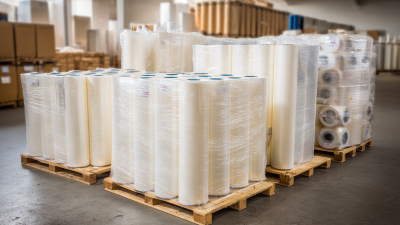
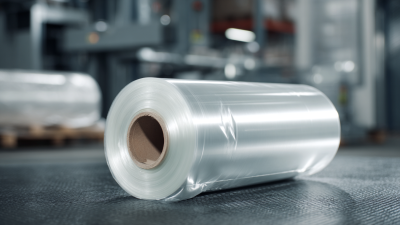
When it comes to shipping, stretch film plays a crucial role in securing your products. Understanding the different types of stretch film can help you make the best decision. There are several types of stretch film, including hand stretch film, machine stretch film, and bundling film. Each has its advantages depending on your shipping needs.
Hand stretch film is ideal for small packages. It is easy to use and requires no machinery. However, it may not be as efficient for larger pallets. Machine stretch film, on the other hand, is designed for high-volume shipping. It provides better consistency and requires specialized equipment.
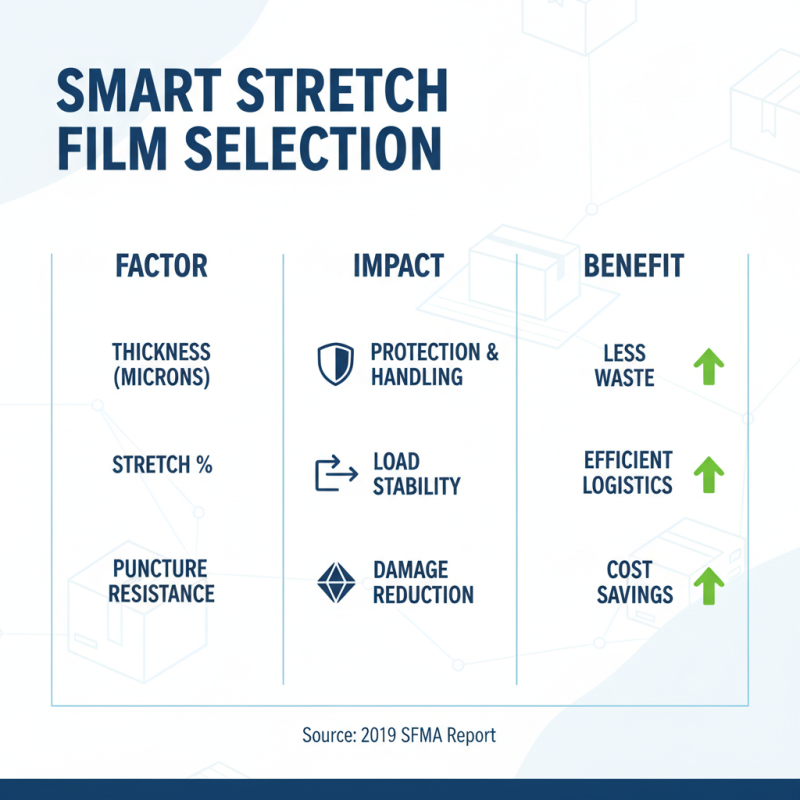
When choosing stretch film, consider the thickness and level of stretch. Thicker films offer more protection but may increase shipping costs. Clear or colored films provide visibility or branding options. Take time to test different types to see what works best for your shipments. Your choice can impact both safety and efficiency.
Top Tips for Choosing the Right Stretch Film for Shipping
Evaluating Stretch Film Strength: Gauge and Load Capacity Explained
When selecting stretch film for shipping, understanding strength is essential. The film's gauge and load capacity are key indicators of its performance. Gauge refers to the thickness of the film. A thicker gauge typically offers enhanced durability but can also impact flexibility. Many assume thicker is always better. However, a balance between thickness and flexibility is crucial for effective wrapping.
Load capacity is another vital aspect. It indicates how much weight the stretch film can securely hold without tearing. Testing load capacity in your specific shipping context can uncover areas of concern. For example, shipping heavy equipment requires higher capacity films. Yet, some might find it challenging to choose the right film without proper guidance. Often, trial and error ensues, leading to expensive mistakes or product damage.
Remember that not all stretch films perform equally under stress. Factors like weather and temperature can influence their effectiveness. Conducting real-world tests in varying conditions will offer insights into performance limitations. These reflections can guide future purchasing decisions, leading to improved packaging practices and reduced costs.
Top Tips for Choosing the Right Stretch Film for Shipping
| Film Type |
Gauge (Mil) |
Load Capacity (lbs) |
Stretch Ratio (%) |
Ideal Use |
| Cast Stretch Film |
80 Gauge |
1500 lbs |
300% |
Pallet Wrapping |
| Blown Stretch Film |
70 Gauge |
1200 lbs |
250% |
Heavy Duty Applications |
| Stretch Hood Film |
50 Gauge |
1000 lbs |
200% |
Cold Storage & Outdoor |
| Pre-Stretched Film |
60 Gauge |
1300 lbs |
200% |
Lightweight Products |
| Eco-Friendly Film |
60 Gauge |
1100 lbs |
250% |
Sustainable Shipping |
The Role of UV Protection and Weather Resistance in Stretch Film Choices
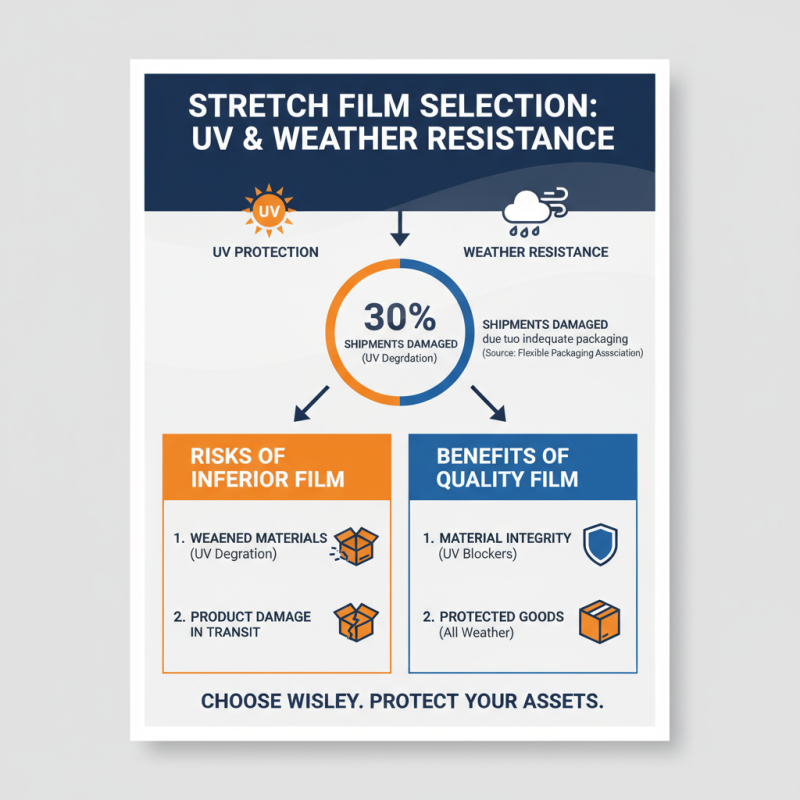
When selecting stretch film for shipping, UV protection and weather resistance play vital roles. A study from the Flexible Packaging Association indicates that about 30% of shipments are damaged due to inadequate packaging. Inferior stretch films fail to protect against UV rays, leading to weakened materials. Consequently, products can suffer from degradation during transit, especially in sunny climates.
Weather resistance is equally critical. According to the Packaging Institute, nearly 25% of products are exposed to moisture or precipitation during transport. Using high-quality stretch film can provide a barrier against rain and humidity. Such films help maintain the integrity of shipping content, ensuring it arrives intact.
Many shipping companies report better customer satisfaction with sturdy packaging solutions. A notable statistic shows that effective protective measures can reduce return rates by approximately 15%. However, some shippers still opt for lower-cost films without considering the long-term impacts. This oversight can lead to higher overall costs due to product losses and customer complaints. An informed choice in stretch film not only protects products but also the company's reputation.
Cost-Effectiveness: Balancing Quality and Price in Stretch Film Selection
When selecting stretch film for shipping, cost-effectiveness plays a crucial role. The balance between quality and price can significantly impact your overall shipping expenses. According to a report by Smithers Pira, the global stretch film market is expected to reach USD 10.8 billion by 2025, driven mainly by growing demand for packaging. This highlights the importance of making informed choices.
High-quality stretch film ensures product protection during transit. However, opting for lower-priced variants may lead to damages. A study revealed that 25% of shipping costs are associated with product damages. Investing in the right film minimizes these risks. It's essential to check the thickness, tensile strength, and stretchability before concluding.
Despite the higher upfront costs of premium stretch films, the return on investment is often favorable. Companies could save significantly through reduced damage claims and labor costs associated with re-packaging. Proper evaluation of stretch films leads to smart purchasing decisions. Selecting a film that balances durability and cost is crucial for ensuring efficiency and reliability in shipping operations.