How to Choose the Right Stretch Film for Your Packaging Needs?
Choosing the right stretch film for packaging needs is crucial for businesses across various industries. The global stretch film market is projected to reach $10 billion by 2025, indicating its importance in supply chain operations. Stretch film is versatile, providing essential protective features, like moisture and dust resistance.
Many companies overlook the specifics of stretch films, leading to suboptimal choices. It's essential to consider factors such as thickness, stretchability, and load stability. For instance, a film with high puncture resistance ensures better protection during transit. According to a recent study, 70% of packaging failures occur due to inadequate wrapping.
Improper use of stretch film can lead to wasted resources and increased costs. Understanding the various options available, including machine and hand film, helps in making informed decisions. Investing time in selecting the right stretch film can significantly enhance packaging efficiency and product safety.

Understanding the Different Types of Stretch Film Available
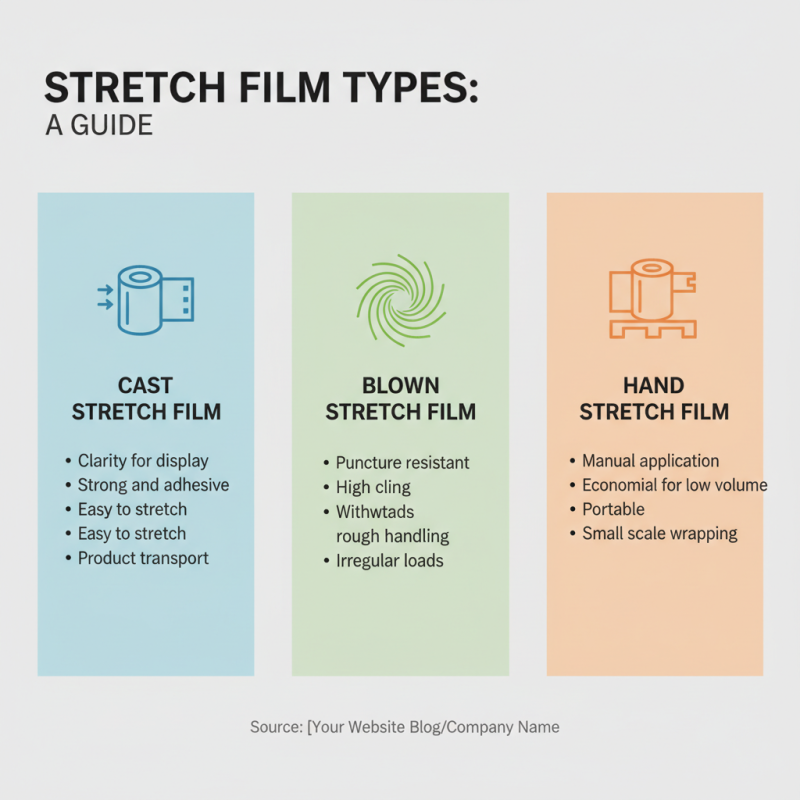
When selecting stretch film for packaging, it's essential to understand the various types available. Each type serves a unique purpose and offers distinct benefits. For instance, cast stretch film is known for its clarity and strength, making it ideal for displaying products. It adheres well and is easy to stretch, offering reliable support during transport.
On the other hand, blown stretch film offers superior puncture resistance. Its thickness provides excellent load stability, making it suitable for heavier items. This type is often more challenging to handle but offers high performance. In contrast, pre-stretched film is designed for easy application. It can save time and labor costs, but it may not provide the same level of stretch as cast or blown types.
Understanding these differences is crucial. Mistakes are common when choosing without full knowledge. Some users may opt for the most economical choice, overlooking their specific needs. This can lead to product damage or increased costs in the long run. Choosing the right stretch film can significantly impact efficiency.
Key Factors to Consider When Selecting Stretch Film
When selecting stretch film for packaging, several key factors demand attention. The film's gauge is crucial. A thicker film often provides better puncture resistance but may not be necessary for every application. Industry reports indicate that using the appropriate gauge can reduce material costs by as much as 20%. On the other hand, using too thick a film may lead to unnecessary expenses. Evaluating the specific needs of your products is essential.
The type of stretch film also plays a significant role. Pre-stretched films tend to offer superior load-holding capacity compared to standard films. They have been shown to decrease the chances of product damage during transport. Additionally, consider the environmental impact. A rising number of companies prioritize eco-friendly materials. Research shows that around 30% of consumers prefer brands that use sustainable packaging. Balancing effectiveness and sustainability can be tricky.
Lastly, consider the film's clarity and UV protection features. Transparent films allow for easy identification of products, which is vital in warehouses. However, UV protection is crucial for goods sensitive to light. Striking the right balance between visibility and protection is often challenging but necessary for efficient logistics. Understanding these factors can guide you toward the best choice.
Assessing Your Packaging Application and Environment Needs
Choosing the right stretch film begins with assessing your packaging application and environmental needs. Various applications require different types of stretch film. Understanding your specific requirements is crucial. For example, a study by the Freedonia Group noted that the demand for stretch film would reach over $6 billion globally by 2025. This highlights the film's importance across industries.
Consider the environment where the stretch film will be used. Some films are better suited for cold storage, while others excel in humid conditions. A report from Smithers Pira indicates that 30% of packaging waste comes from improper materials being used. This means using the wrong film can lead to significant waste and inefficiencies.
Additionally, film thickness is a vital factor. Thicker films might offer more durability but can be less flexible. Thinner films save costs and space yet may not provide the required strength. The challenge lies in balancing these needs with the specificities of your product. Analyzing these elements will lead to more informed decisions. Potential shortcomings in film performance should be anticipated to optimize your packaging solution.
Evaluating the Cost-Effectiveness of Stretch Film Options
When evaluating the cost-effectiveness of stretch film options, several factors come into play. Industry reports suggest that stretch film can reduce shipping costs by up to 20%. This significant reduction stems from its ability to secure products tightly, thus minimizing damage during transit. Yet, not all stretch films are created equal. The thickness and material can substantially impact both the price and performance.
For example, high-performance films may cost more upfront but can lead to savings in material usage over time. Some studies reveal that using a thicker gauge can lower the total cost of packaging by decreasing the number of rolls needed. Additionally, corrugated packaging cost analysis shows that using stretch film can save roughly 30% compared to traditional packing methods. However, many businesses overlook the importance of evaluating specific needs when choosing a type of stretch film, leading to overconsumption or inadequate protection.
Inadequate solutions can hurt finances. A report highlights that 80% of packaging waste comes from poor material selection. This misstep can lead to unnecessary expenses and environmental impact. Thus, thorough analysis and reliable data are essential before making decisions. Emphasizing quality and performance in stretch film can ensure smarter investments and efficient use of resources.
Cost-Effectiveness of Different Stretch Film Types
Best Practices for Applying and Using Stretch Film in Packaging
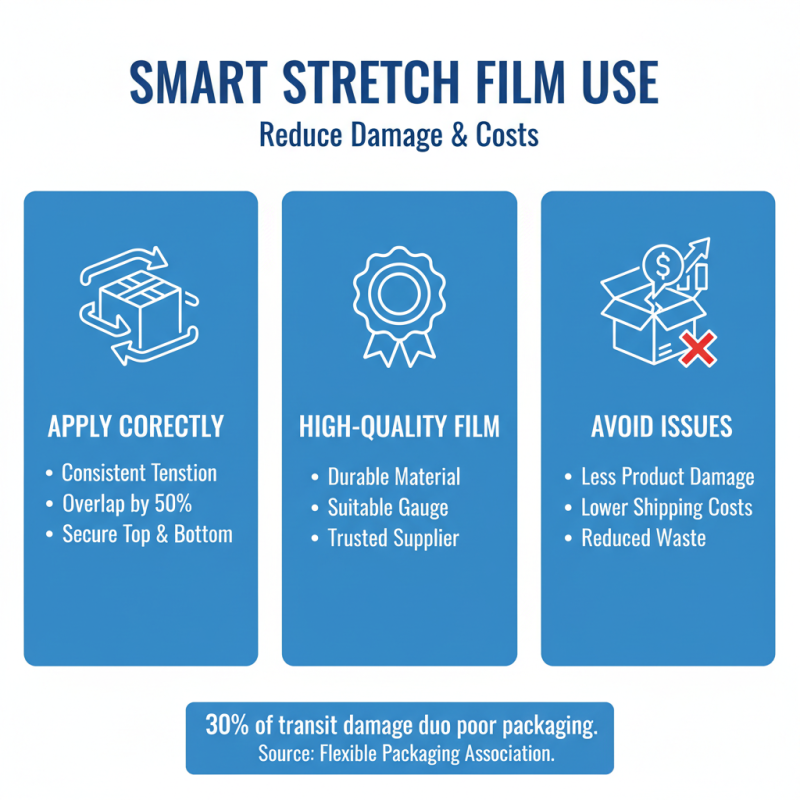
When it comes to using stretch film for packaging, applying it correctly is critical. Improper application can lead to product damage, increased costs, and wasted materials. According to a report by the Flexible Packaging Association, nearly 30% of product damage during transit is due to inadequate packaging methods. To mitigate this, always ensure your stretch film is of high quality and suitable for your specific needs.
One key tip is to maintain consistent tension while wrapping. Too loose, and products may come apart. Too tight, and it could cause film breakage or damage the product. Research shows that optimal tension can reduce product loss by as much as 15%. Another important aspect is the method of application. Using the hand wrap versus machine wrap may yield different results. Machines often provide greater consistency.
Consider also the environment where the film will be used. Certain films perform better under specific conditions, like cold storage or outdoor transport. Flexibility in choice can significantly impact the integrity of the packaged goods. Take time to evaluate your wrapping technique. An underwhelming approach can lead to costly inefficiencies.