How to Choose the Best Food Grade Film for Your Needs?
Choosing the right Food Grade Film is crucial for businesses in the food industry. Renowned expert Dr. Emily Carter, a material science specialist, emphasizes, "The quality of your food packaging can impact product safety and shelf life." With a variety of films available, understanding their properties is essential.
Food Grade Film comes in many types, including polyethylene, polypropylene, and biodegradable options. Each type has its unique benefits and limitations. For example, polyethylene is versatile and cost-effective but may not provide the same barrier properties as others. This complexity can lead to confusion among users.
Making an informed choice requires knowledge of your product's specifics. Consider factors like temperature resistance, moisture barrier, and sealing properties. There are no one-size-fits-all solutions in the Food Grade Film world. Businesses must reflect on their needs and potential trade-offs before deciding.

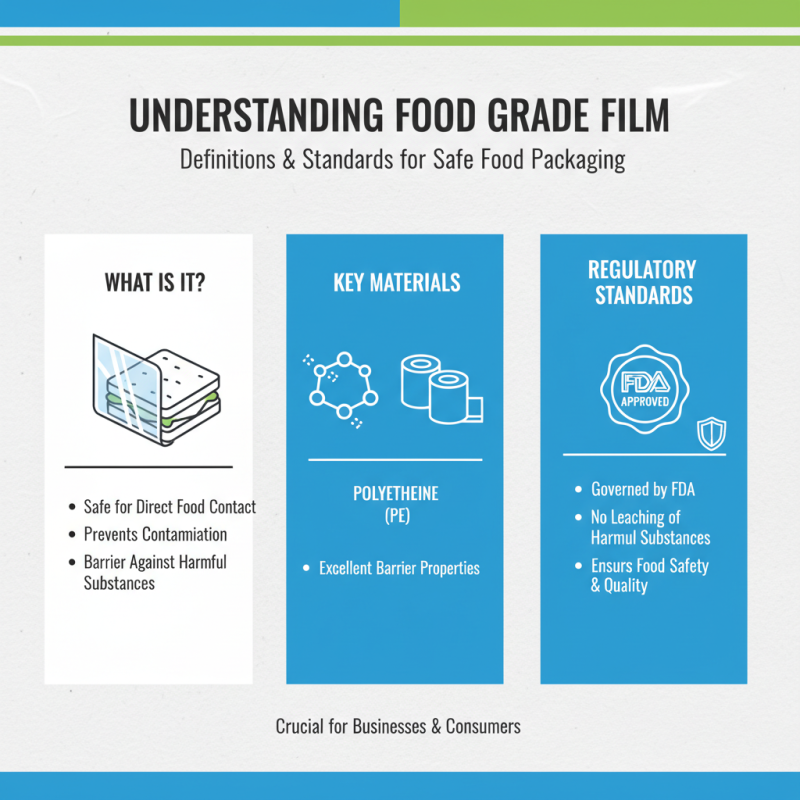
Understanding Food Grade Film: Definitions and Standards
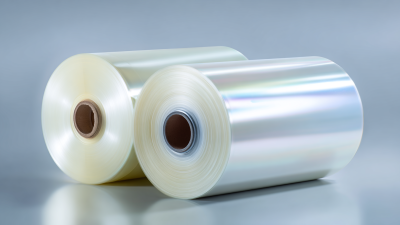
Food grade film is essential for safe food packaging. Understanding its definitions and standards is crucial for businesses and consumers alike. Food grade film must meet specific regulations to ensure safety and quality. The FDA oversees these standards, ensuring films do not leach harmful substances into food. Materials like polyethylene and polypropylene are common. They provide excellent barrier properties and are typically safe for direct food contact.
It’s also important to consider the thickness and clarity of the film. Thicker films offer better durability but may reduce visibility. Clarity is key for visibility. A balance must be struck between protection and presentation. Not all films that are marketed as “food grade” necessarily meet required standards. Always check for certification labels and ask suppliers about compliance.
Some producers may cut corners to reduce costs. This raises concerns about safety. Researching and verifying suppliers can prevent potential health risks. It’s a responsibility that falls on everyone in the food industry. Making informed choices about food grade films is vital for ensuring product integrity.
Types of Food Grade Films: Options and Materials Explained
When selecting a food grade film, understanding the types available is crucial. Polyethylene (PE) is popular for its flexibility and moisture resistance. It’s often used in packaging fresh produce. Polypropylene (PP), on the other hand, offers clarity and is stronger than PE. It often enhances the display of food products, making them more appealing. Both materials have unique benefits, but they might not cater to every requirement.
Consider biodegradable films if sustainability is your goal. These films break down easily and reduce environmental impact. However, their durability might be less than traditional options. If you have specific food preservation needs, laminates combine multiple materials to enhance barrier properties. This can extend shelf life, which can be an advantage in food storage.
In terms of thickness, the gauge of the film matters. Thicker films may offer better puncture resistance but can be more expensive. Sometimes, finding the right balance can be complex. While thicker films protect better, they may not be necessary for all applications. Always evaluate what is essential for your food items. Each option has its strengths and weaknesses. Making informed decisions is essential for optimal food safety and presentation.
Key Factors to Consider When Selecting Food Grade Film
Choosing the right food grade film is crucial for various applications in food preservation and packaging. There are several key factors to consider when selecting the best option for your needs. The first aspect to evaluate is the material. Common types include polyethylene, polypropylene, and polyvinyl chloride. Each has unique properties affecting durability, seal strength, and chemical resistance. For example, polyethylene films generally offer excellent moisture barrier qualities, essential for keeping food fresh. According to a recent industry report, approximately 75% of food packaging relies on these materials due to their versatility.
Next, consider the thickness of the film. Thickness influences strength and tear resistance. Thicker films can provide better protection but may also be less flexible. An ideal choice balances thickness with flexibility to suit specific products. Additionally, the film's permeability should be assessed. High-barrier films can extend shelf life by reducing gas exchange, an important factor for sensitive food items. A study highlighted that the right barrier properties can prolong shelf life by up to 50%, significantly reducing food waste.
Don't overlook regulatory compliance and safety standards. Food grade films must adhere to specific safety guidelines. Checking for certifications, like FDA approval, can help ensure that the film is safe for food contact. Some manufacturers may lack transparency regarding their material sources or testing. It is essential to conduct thorough research to avoid potential contamination issues. Striving for quality materials is crucial, yet we must remember that even reputable films sometimes fail, necessitating ongoing assessment and feedback from users.
How to Choose the Best Food Grade Film for Your Needs? - Key Factors to Consider When Selecting Food Grade Film
| Criteria |
Description |
Importance |
Common Applications |
| Material Composition |
The type of polymer used in the film, such as polyethylene or polypropylene. |
High |
Packaging of frozen foods, fresh produce. |
| Barrier Properties |
Ability to protect content from moisture, oxygen, and contaminants. |
Critical |
Vacuum sealing, long shelf-life products. |
| Thickness |
Measured in microns; important for durability and protection. |
Medium |
Snacks, ready-to-eat meals. |
| Certifications |
Food safety certifications such as FDA, EU, or BRC compliant. |
High |
All food-related packaging. |
| Transparency |
Clarity of film which can impact product visibility. |
Medium |
Bakery goods, deli items. |
| Heat Resistance |
Ability to withstand high temperatures during processing. |
Medium |
Microwaveable foods, hot-packaging. |
Applications of Food Grade Film in the Food Industry
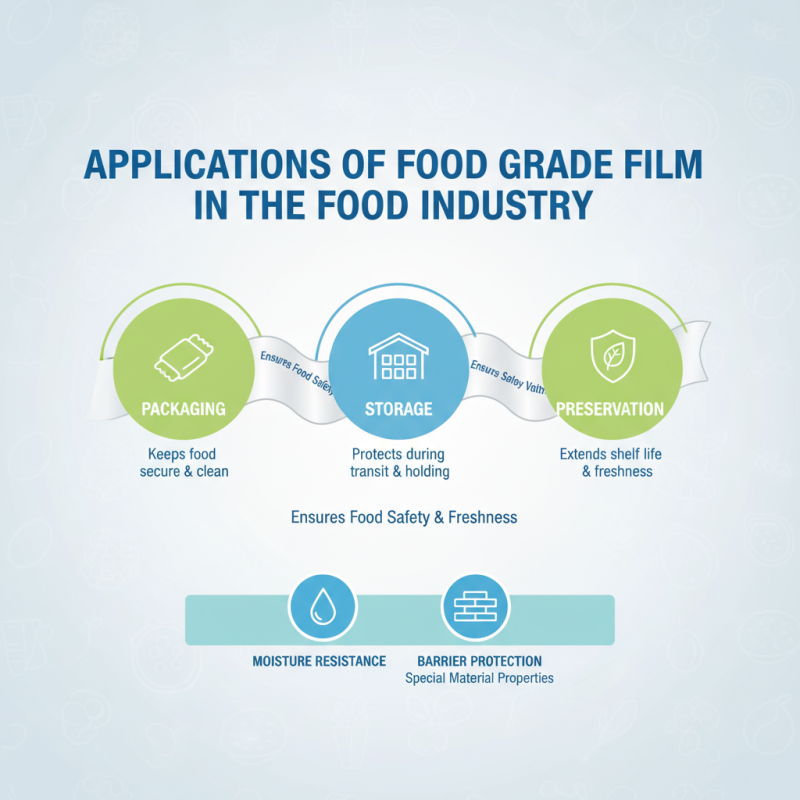
Food grade films play a crucial role in the food industry. They are used in various applications, such as packaging, storage, and preservation of food products. These films ensure that food remains safe and fresh for consumers. Materials used in food grade films often have special properties like moisture resistance and barrier protection.
Different types of food grade films cater to specific needs. For example, some films are designed for enhancing shelf life, while others focus on maintaining the integrity of perishables. The choice of film may vary based on factors like the type of food, storage duration, and environmental conditions. Many industries struggle with selecting the right film due to varying requirements.
Additionally, when using food grade films, it's important to consider their environmental impact. Recyclability and biodegradability are becoming key factors in the decision-making process. Consumers increasingly seek sustainable options in food packaging. Companies face the challenge of meeting these preferences while maintaining safety and quality. Balancing these aspects can be complex yet necessary for future innovations in food packaging.
Sustainability and Environmental Impact of Food Grade Films
Choosing the right food grade film requires understanding its environmental impact. Many types of food grade films contribute significantly to plastic waste. In fact, a report from the World Economic Forum suggests that about 300 million tons of plastic are produced each year, with a major portion linked to packaging. Every effort towards sustainability counts.
Sustainable alternatives, like biodegradable or compostable films, are gaining traction. These films can reduce landfill waste significantly. According to a study in the journal *Waste Management*, biodegradable films can decrease waste volume by 50% over five years in proper conditions. However, not all biodegradable options perform well in every environment. Users must evaluate the specific disposal methods available in their area.
**Tip:** Look for certifications like ASTM D6400. This can ensure that the film meets rigorous compostability standards.
While some innovations exist, there are still challenges. For example, renewable materials can sometimes compromise shelf life. This inadequacy can affect food safety and quality. Balancing sustainability with functionality requires careful consideration.
**Tip:** Test different films to find the best combination of performance and environmental responsibility. Strive for a solution that meets your needs and aligns with sustainable practices.
Environmental Impact of Different Food Grade Films
This chart illustrates the carbon footprint associated with different food grade films. Understanding the environmental impact of packaging options is crucial for making sustainable choices in food packaging.