Best Shrink Film Roll Options for Global Buyers?
In today's competitive market, selecting the right shrink film roll is essential for effective packaging. Global buyers face many options, making the decision process complex. With numerous materials and specifications available, understanding the best choices can significantly impact product preservation and presentation.
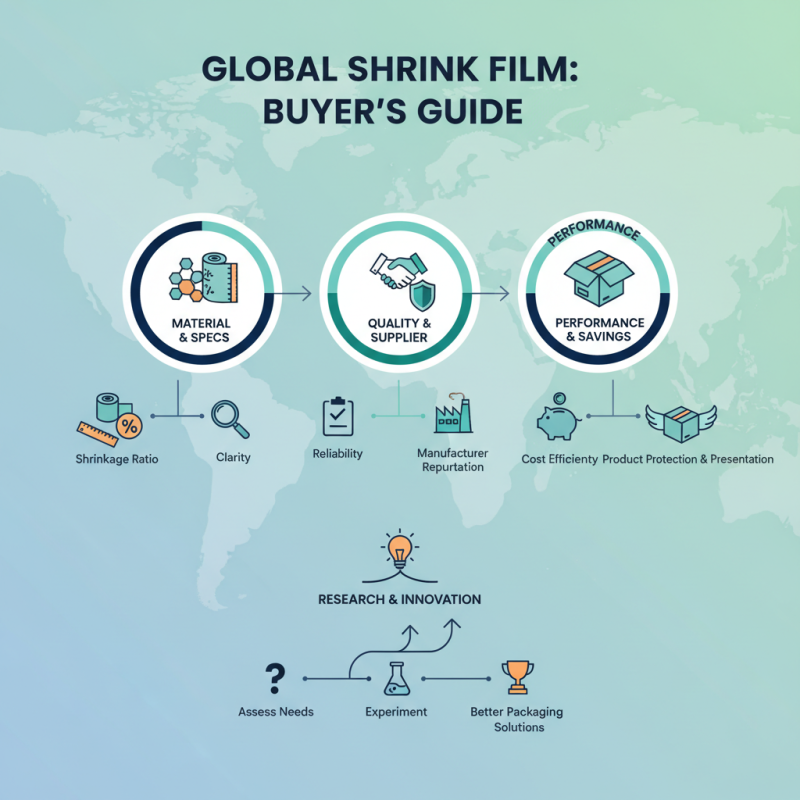
Shrink film rolls are not just about functionality. Quality matters, and finding the right supplier can be challenging. Buyers should consider factors like thickness, clarity, and shrinkage ratio. These elements can enhance product visibility and ensure that items are protected during transit. Yet, not all shrink films perform equally.
It's easy to overlook details in this crowded market. Buyers might settle for familiar brands instead of exploring new options. This can lead to missed opportunities for cost savings and improved performance. Reflecting on your specific needs and experimenting with different products can lead to better results. Prioritizing research and understanding the nuances of shrink film rolls will contribute to more effective packaging solutions.
Overview of Shrink Film and Its Applications in Global Markets
Shrink film is a versatile packaging solution used across various industries. It is primarily used for bundling products, providing tamper-evidence, and enhancing shelf appeal. In global markets, the demand for shrink film is growing. According to recent data, the global shrink film market is projected to reach $15.5 billion by 2026, with a CAGR of 4.5% from 2021 to 2026.
In food and beverage sectors, shrink film plays a crucial role. It preserves product freshness and extends shelf life. A report from a leading packaging association reveals that about 30% of all shrink film is used in food applications. This highlights its significance in reducing food wastage and ensuring quality.
Despite its advantages, challenges exist. Environmental concerns related to plastic waste are rising. Many manufacturers are exploring eco-friendly alternatives. Developing biodegradable shrink films is a complex and ongoing process. The industry must balance efficiency with sustainability, reflecting a significant area for improvement in future innovations.
Key Factors to Consider When Selecting Shrink Film Rolls
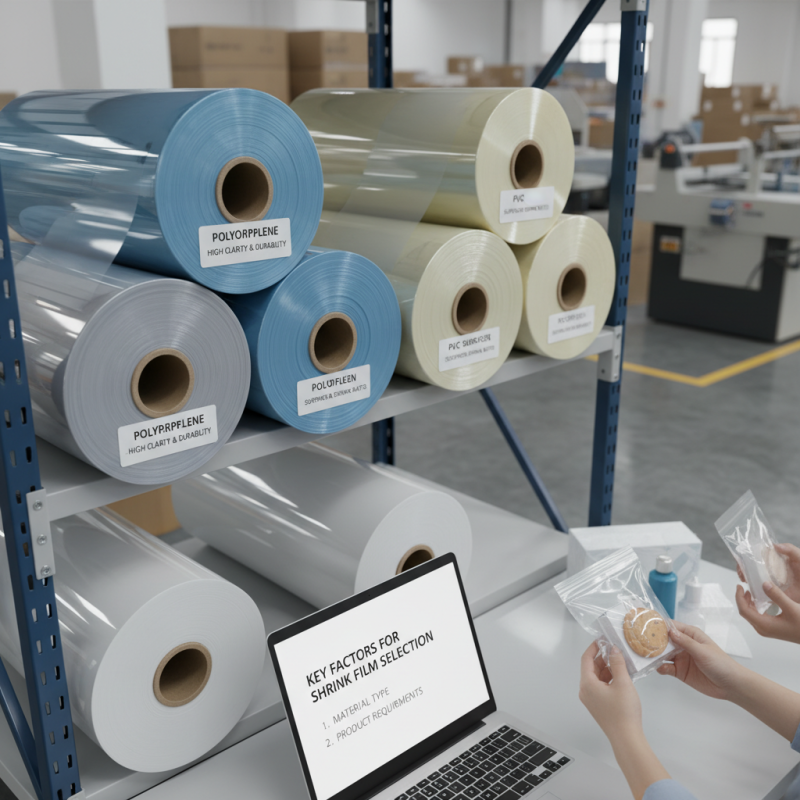
When choosing shrink film rolls, understanding the core factors is essential. Material type plays a crucial role in performance. Polyolefin and PVC are popular options, each offering unique benefits. For example, Polyolefin is known for its clarity and durability, while PVC often provides excellent shrink ratios. It's important to match the film to the product requirements.
Thickness and gauge are also critical points. Reports indicate that films with gauges ranging from 60 to 75 microns provide a robust defense against tearing. Select the right thickness based on your packaging needs. A thinner film may save costs but could compromise protection. Conversely, thicker rolls may add expense but enhance durability.
Supplier reliability is vital in the selection process. According to industry data, approximately 40% of manufacturers report issues with inconsistent quality from suppliers. Assessing reviews and seeking recommendations can yield insights into a supplier's track record. Staying informed about recent advancements in shrink film technology can further enhance packaging strategies.
Top Brands and Manufacturers of Shrink Film Globally
When exploring the global market for shrink film, it's essential to recognize the various brands and manufacturers that dominate the industry. Businesses rely on shrink film for packaging, protection, and presentation. Leading manufacturers offer a variety of materials, including polyolefin and PVC options, catering to diverse needs. Materials impact durability and visual appeal. Choosing the right film can enhance product branding significantly.
Manufacturers often emphasize quality control and sustainability. This commitment ensures that shrink film products meet international standards. Some brands have begun adopting eco-friendly practices, which appeal to environmentally conscious consumers. However, not all available options guarantee consistency or performance. Discerning buyers should do ample research before selecting a supplier.
Additionally, regional differences may affect the quality and availability of shrink films. Understanding these nuances helps buyers make informed decisions. Improved communication between manufacturers and clients can create better outcomes. Ultimately, conducting due diligence is crucial for making the best purchasing choices in the competitive landscape of shrink film.
Best Shrink Film Roll Options for Global Buyers
| Film Type |
Thickness (microns) |
Width (mm) |
Roll Length (m) |
Heat Resistance (°C) |
Application |
| PVC |
50 |
300 |
1000 |
85 |
Packaging for bottles |
| PE |
30 |
250 |
1200 |
75 |
Food packaging |
| POF |
40 |
400 |
800 |
90 |
Product bundling |
| PS |
35 |
200 |
1500 |
80 |
Electrical components |
Comparative Analysis of Different Types of Shrink Films
When considering shrink films for packaging, buyers face an array of options. Polyolefin, PVC, and PETG are common types. Each film offers unique benefits. Polyolefin is known for its clarity and strength. It is excellent for food packaging and retail items. PVC tends to be cheaper, but it has limitations in heat resistance. PETG provides strong protection and maintains its shape well under differing conditions.
Buyers should evaluate their specific needs when selecting shrink films. Factors such as heat tolerance, clarity, and environmental impact can guide decisions. Polyolefin films are often preferred for their versatility in various applications. However, the cost can be higher compared to PVC. The environmental aspect is also critical. While some films are recyclable, others contribute to waste.
Testing different films on products can provide valuable insights. Sometimes, the right film may not be the most popular choice. Smaller brands may offer unique formulations that suit specific requirements. Gathering feedback from users can help refine choices. This process often reveals surprising preferences and results.
Sustainability Trends in the Shrink Film Industry for Global Consumers
The shrink film industry is evolving, with a growing emphasis on sustainability. According to recent reports, around 63% of consumers prefer products with sustainable packaging. This trend is influencing manufacturers worldwide. As a result, the market for biodegradable and recyclable shrink films has expanded significantly. In 2021, this sector alone was valued at over $4 billion.
Many companies are innovating to meet these demands. They are shifting towards materials that reduce environmental impact. For instance, bioplastics are becoming prominent. They slowly decompose and do not harm the ecosystem. This transition reflects a broader industry movement towards responsible production methods. However, not all innovations are perfect. Some biodegradable options may not break down effectively in landfills.
Tips for conscious buyers: Look for certifications that confirm sustainability claims. Check for recyclable icons, which indicate proper disposal methods. Evaluate the performance of different materials. Not all sustainable films provide the same level of protection. Balancing eco-friendliness with durability remains a challenge. Consider support for companies that prioritize sustainable practices in their manufacturing processes. This helps drive the industry toward a greener future.