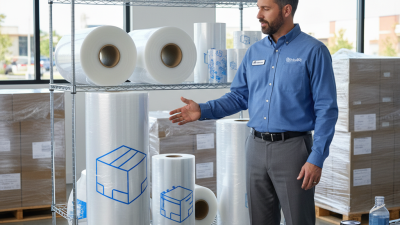
What Are the Benefits of Shrink Wrap Packaging in 2026?
In 2026, Shrink Wrap Packaging is set to play a pivotal role in the packaging industry. According to a report by Smithers Pira, the global shrink film market is projected to reach $3.4 billion by 2027. This growth indicates a rising demand for effective packaging solutions. Businesses are increasingly recognizing the benefits of Shrink Wrap Packaging, such as enhanced protection and cost-effectiveness.
Shrink Wrap Packaging provides superior protection against moisture and contaminants. This is essential for industries like food and pharmaceuticals, where product integrity is crucial. The material is lightweight, contributing to reduced shipping costs, which many companies are seeking to optimize. However, sustainability remains a concern. Despite its advantages, Shrink Wrap Packaging often lacks recyclability, and companies must balance performance with environmental impact.
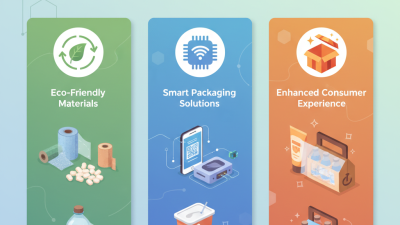
As we look towards 2026, the effectiveness of Shrink Wrap Packaging cannot be overlooked. It offers excellent visibility for products while providing a tamper-evident seal. Yet, brands must consider their long-term environmental strategies. Embracing innovative, sustainable alternatives to traditional shrink films will be key. The path forward may require a re-evaluation of current practices. That said, the industry has much to gain from these advancements.
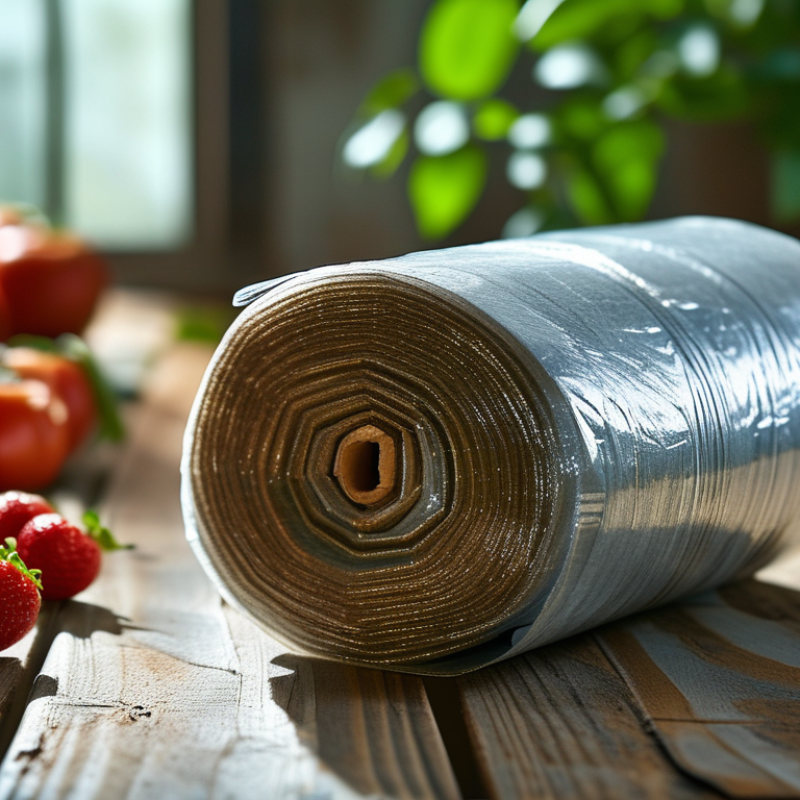
Advantages of Shrink Wrap Packaging for Product Protection
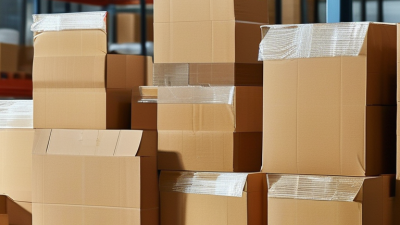
Shrink wrap packaging is gaining popularity for its efficiency in product protection. This technique seals goods tightly, creating a barrier against dust, moisture, and other harmful elements. Products are less likely to suffer damage during transportation and storage. A properly applied shrink wrap hugs the item snugly, reducing the risk of shifting during transit.
Another key benefit is its versatility. It can accommodate various shapes and sizes, from pallets to individual items. Many industries rely on shrink wrap for safeguarding their products.
However, not every package is ideal for this method. Some materials may not shrink properly, leading to an imperfect seal. This is a point of consideration in packaging design.
Eco-friendliness is another aspect to ponder. While some shrink wraps are recyclable, the industry's reliance on plastic raises concerns. Manufacturers need to invest in sustainable materials. Balancing protection and environmental responsibility is a challenge. Overall, shrink wrap packaging has its perks, but companies must continuously reflect on its impact.
Cost-Effectiveness of Shrink Wrap Packaging Solutions
Shrink wrap packaging offers several cost-effective solutions for businesses in 2026. Its affordability makes it attractive for various industries. Companies can reduce material costs while ensuring product protection. Shrink wrap is durable, lightweight, and easy to apply. These factors lead to savings in shipping and storage. Businesses see these benefits as valuable.
Moreover, shrink wrap packaging minimizes waste. It uses less material compared to traditional packaging. This advantage reduces disposal costs and encourages sustainability. Companies can present themselves as eco-friendly by adopting shrink wrap. Although some might worry about the initial investment in machinery, the long-term savings often outweigh this concern.
Challenges exist, like training employees to use shrink wrap machines properly. Improper application can lead to wasted material. Frequent maintenance may be necessary, too. Nonetheless, when done right, shrink wrap creates a reliable, protective barrier. It is a practical choice for those looking to optimize costs without sacrificing quality.
Environmental Impact of Shrink Wrap Packaging in 2026
Shrink wrap packaging has gained attention in 2026 due to its environmental impact. According to a recent report by MarketsandMarkets, the global shrink film market is expected to reach $10 billion by 2026. This growth is linked to the increasing demand for sustainable packaging solutions. However, the environmental consequences must be considered.
While shrink wrap offers protection and extends shelf life, its material composition raises concerns. Most shrink films are made from polyethylene, which is derived from non-renewable resources. The recycling rate for plastic packaging remains low, at around 9% globally, according to the Ellen MacArthur Foundation. This inefficiency leads to significant plastic waste in landfills and oceans. Additionally, production processes contribute to carbon emissions, highlighting a need for a more sustainable approach.
Some companies are now exploring biodegradable options. Biodegradable shrink films can degrade in natural conditions, reducing environmental footprints. Studies show that these alternatives can cut waste lifespan by up to 60%. Yet, these materials may not provide the same levels of protection. Balancing environmental impact with product safety is an ongoing dilemma. As innovation continues, it becomes crucial to evaluate how effective these new materials truly are.
Applications of Shrink Wrap Packaging Across Various Industries
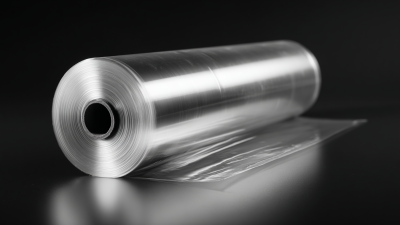
Shrink wrap packaging is becoming increasingly important across various industries. Its versatility and efficiency make it a popular choice for manufacturers and retailers. In the food industry, for example, shrink wrap protects products from contaminants. It extends shelf life and improves presentation. The clarity of the plastic allows consumers to see the product clearly. This is essential for fresh produce.
In the pharmaceutical sector, shrink wrap packaging ensures the integrity of products. It prevents tampering and offers a barrier against moisture and dust. This form of packaging also helps in maintaining compliance with safety standards. For manufacturers, using shrink wrap can simplify the packaging process. It's a quick way to package items securely.
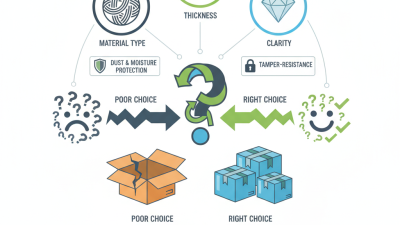
Tips to consider: Always choose the right shrink film for your products. Different films work for different temperatures and weights. Test your packaging to avoid issues later. Also, think about sustainability. Look for recyclable shrink wrap options to minimize environmental impact. Even minor changes can make a significant difference in your packaging strategy.
Benefits of Shrink Wrap Packaging in 2026
This chart illustrates the key benefits of shrink wrap packaging in 2026, rated on a scale from 1 to 10. The primary advantages include cost efficiency, product protection, and sustainability, highlighting its importance across various industries.
Consumer Perceptions of Shrink Wrap Packaging Benefits
In 2026, consumer perceptions of shrink wrap packaging highlight diverse benefits. People appreciate the protection it offers. Shrink wrap keeps products safe from moisture, dust, and damage. This is essential for items like food and electronics. Visual appeal also plays a role. A well-wrapped product can attract attention on shelves. Consumers often associate neat packaging with quality.
However, not all feedback is positive. Some view shrink wrap as excessive or wasteful. There is a growing desire for sustainable options. Consumers are becoming more aware of environmental impacts. They want recycling solutions for shrink wrap materials. This sentiment challenges manufacturers to innovate. They must balance protection with eco-friendliness.
The perception of shrink wrap also varies by demographic. Younger consumers lean towards sustainable practices. Older generations may prioritize durability over environmental concerns. These differing perspectives can influence packaging design. It is crucial for brands to keep these insights in mind. Understanding consumer needs is vital for effective marketing strategies.
What Are the Benefits of Shrink Wrap Packaging in 2026? - Consumer Perceptions of Shrink Wrap Packaging Benefits
| Benefit |
Consumer Perception (%) |
Impact on Purchase Decision (%) |
Sustainability Ranking (1-5) |
| Cost-Effectiveness |
75% |
60% |
3 |
| Product Protection |
85% |
72% |
4 |
| Tamper Evidence |
78% |
65% |
4 |
| Shelf Life Extension |
80% |
70% |
2 |
| Brand Visibility |
82% |
75% |
3 |
| Customization Options |
70% |
55% |
3 |