How to Use Heat Shrink Wrap for Packaging and Protection?
Heat Shrink Wrap is a versatile tool in packaging and protection. Many industries utilize this material for various purposes. It can safely encase items, safeguarding them from dust and moisture.
Using Heat Shrink Wrap is straightforward, yet attention is needed for best results. The process involves wrapping the material around objects and applying heat. This snug fit can be a challenge. Improper heat application can lead to tears or insufficient sealing.
It is essential to consider the size and type of items being wrapped. Choosing the right thickness of Heat Shrink Wrap is critical. Too thin may not offer enough protection, while too thick can be cumbersome. Experimentation is often required to find the ideal solution.
What is Heat Shrink Wrap and Its Material Characteristics
Heat shrink wrap is a versatile packaging option widely used for various applications. Made from materials like polyolefin and PVC, this wrap shrinks tightly when heat is applied. This creates a protective layer that provides security and durability.
According to industry reports, the global heat shrink wrap market is projected to grow by 4.8% annually. This growth demonstrates its increasing importance in packaging.
One of the key characteristics of heat shrink wrap is its strong resistance to tearing and puncturing. It protects products from dust, moisture, and even UV light exposure. However, it’s crucial to select the correct thickness and type based on your specific needs. Not all wraps perform equally under different conditions. For instance, thinner wraps may not provide adequate protection for heavier items.
Tips: Always test the wrap on a small scale before full application. Check the manufacturer’s specifications. Make sure the items to be wrapped are clean and dry to ensure proper adhesion. Additionally, consider environmental impacts when disposing of the wrap. Research shows that a significant portion of heat shrink wraps can be recycled, but proper facilities are necessary.
Benefits of Using Heat Shrink Wrap for Packaging
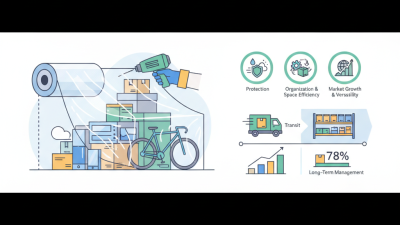
Heat shrink wrap is a versatile packaging solution. It offers numerous benefits that appeal to various industries. According to recent market studies, the global shrink film market is projected to reach $13.9 billion by 2026. This growth highlights the increasing reliance on shrink wrap for packaging purposes.
One major advantage is its ability to provide excellent protection. Heat shrink wrap is moisture-resistant and safeguards products from dust and contaminants. This can lead to a significant decrease in returns due to damage during transit. Research indicates that companies utilizing heat shrink wrap have reduced product loss by up to 30%. However, improper application can lead to tears or punctures. It’s vital to ensure correct sealing for optimal results.
Another benefit is its ability to enhance product presentation. Shrink wrap clings tightly to various shapes and sizes, giving a sleek appearance. This can improve shelf appeal and attract customers. A striking 70% of consumers report that packaging influences their purchasing decisions. Yet, businesses should be cautious of excessive use, which may result in wastage or higher costs. Balancing budget and sustainability is essential for effective packaging strategies.
Step-by-Step Guide to Applying Heat Shrink Wrap
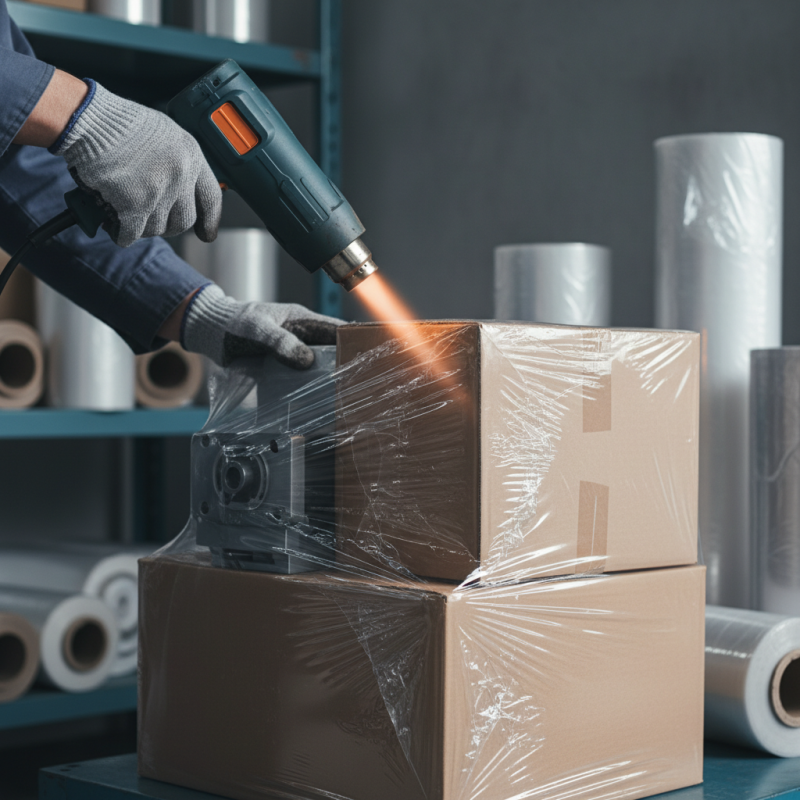
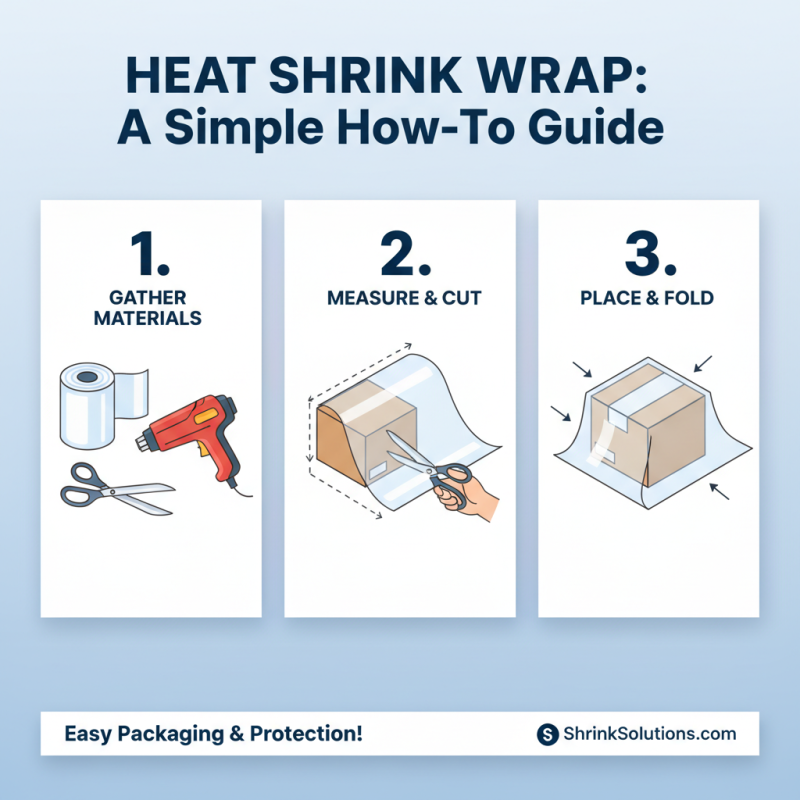
Heat shrink wrap is a practical solution for packaging and protection. Using it can be simple if you follow the right steps. First, gather your materials: heat shrink film, a heat source, and scissors. Measure and cut the film to the desired size, allowing extra for shrinking. Place your items in the center and fold the edges over.
When applying heat, maintain a safe distance. Too much heat may cause the wrap to burn. Move the heat source around to avoid hot spots. Start from one edge and work your way across. The film should tighten smoothly without bubbles.
Tips: Ensure your workspace is clean. Dust can cause imperfections in your shrink wrap. Avoid over-wrapping items, as it can lead to an uneven finish. If bubbles form, you may need to reapply heat carefully. Remember, practice makes perfect. With each attempt, you can improve your technique and gain confidence.
Tools and Equipment Needed for Shrink Wrapping
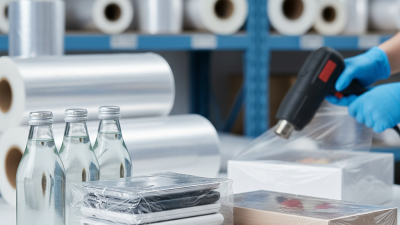
When preparing for shrink wrapping, having the right tools is essential. At a minimum, you will need heat shrink wrap itself, a heat gun, and a pair of scissors. The shrink wrap comes in various sizes and thicknesses. Choose the one that suits your packaging needs best. Additionally, a roll of tape can help secure the ends of the wrap, ensuring a tidy finish.
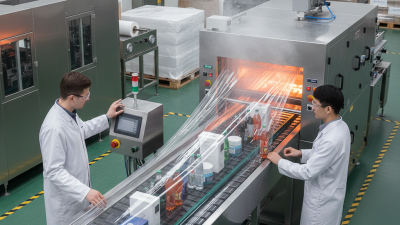
Consider investing in a shrink wrapping machine for larger projects. It simplifies the process and offers consistent results. This equipment can be more complex. You might need some time to learn its features. A table or workstation is also key. It should be spacious enough for your items. If the area is cluttered, it can lead to mistakes. Remember to check the heat gun's settings. Too much heat can damage your wrap. Too little won't shrink it properly. These tools are crucial, but the method and your attention to detail are just as important.
Best Practices for Storing and Handling Heat Shrink Wrapped Items
When storing heat shrink wrapped items, proper conditions enhance their longevity. Humidity control is critical. Ideal humidity levels are around 40-60%. High humidity can cause mold or damage. Conversely, too low humidity can lead to brittleness. Many industries face challenges in maintaining these levels. According to a recent study, improper storage can decrease product life by 30%.
Handling is just as important. Always wear gloves when moving items. Oils from your skin can damage the wrap. When stacking products, avoid excess weight. This can lead to deformation or punctures. In a survey of packaging professionals, 46% reported damage due to improper handling, highlighting the need for better training.
Regular inspections are vital. Look for signs of wear and tear. If you notice issues, consider re-wrapping or adjusting storage. The packaging should be transparent. This allows for easy visual checks. It’s etched into the industry's best practices to encourage regular audits of stored items. Flexibility in handling and storage may need improvement among many teams.