Ultimate Guide to Using Shrink Wrap Tips for Storage and Protection
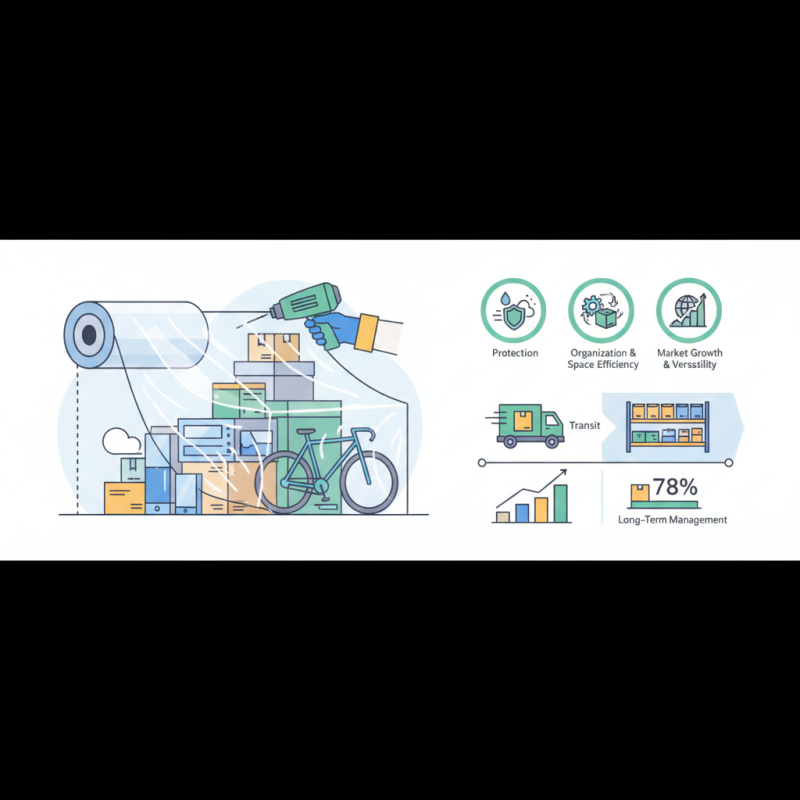
Shrink wrap is an essential tool in various industries, providing unparalleled protection and organization for products during storage and transport. According to a report by Smithers Pira, the global market for shrink films is projected to reach approximately $6.1 billion by 2024, driven by the increasing demand for lightweight packaging solutions that enhance product visibility while safeguarding against environmental factors. This growing preference for shrink wrap is largely due to its ability to conform tightly around objects, creating a barrier against moisture, dust, and other potential contaminants.
As businesses and individuals alike seek effective methods for preserving their items, understanding the best practices in using shrink wrap becomes crucial. Proper application not only ensures the longevity of stored goods but also maximizes space efficiency, a significant concern outlined in a 2021 survey by the International Storage Federation. Here, 78% of respondents emphasized the importance of effective space management, highlighting shrinking techniques as a practical solution. This guide will delve into the tips and techniques for employing shrink wrap effectively, ensuring that your items remain safe and secure, whether during transit or long-term storage.
Understanding Shrink Wrap: Types and Uses
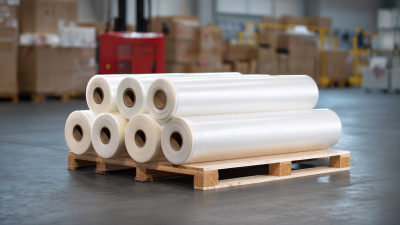
Shrink wrap is an invaluable tool for various storage and protection applications, and understanding the different types available can help in choosing the right one for your needs. The most common types of shrink wrap include centerfold, tubing, and pre-cut bags. Centerfold shrink wrap is usually sold in rolls and is ideal for wrapping larger items. Tubing shrink wrap, which comes in a tubular form, provides flexibility for items of varying shapes and sizes. Pre-cut bags offer convenience for quick packaging of items, making them popular for smaller products.
Each type of shrink wrap has unique uses that make it suitable for different scenarios. For example, centerfold shrink wrap is often used to pack furniture, equipment, or larger industrial goods, providing a protective barrier against dust, moisture, and dirt. Tubing is frequently employed in the food industry, allowing for easy packaging of food items while maintaining freshness. Pre-cut bags are favored by retailers for packaging smaller items like electronics or textiles, ensuring they remain intact and shielded from environmental factors. Understanding these distinctions can enhance your packaging strategy and ensure optimal protection for your belongings.
Ultimate Guide to Using Shrink Wrap Tips for Storage and Protection
| Type of Shrink Wrap |
Typical Uses |
Thickness (Mil) |
Benefits |
Recommended Applications |
| Polyolefin Shrink Wrap |
Food packaging, retail products |
5-75 |
Non-toxic, good clarity, heat resistant |
Grocery stores, distribution centers |
| PVC Shrink Wrap |
Toys, electronics |
30-100 |
High clarity, strong sealing |
Retail packaging, shipping |
| LDPE Shrink Wrap |
Pallets, large items |
40-150 |
Tough, stretchy and durable |
Storage, transportation |
| Cross-Linked Polyethylene (CLE) |
Industrial applications, outdoor storage |
60-160 |
High strength, thermal resistance |
Heavy-duty packaging, machinery |
Essential Tools for Effective Shrink Wrapping
When it comes to effective shrink wrapping for storage and protection, having the right tools is essential for achieving optimal results. The shrink wrapping industry has seen significant growth, with estimates suggesting a market value of over $5 billion globally by 2025. This uptick can be attributed to the increasing demand for packaging solutions that enhance product protection and shelf life. To efficiently tackle shrink wrapping tasks, it is crucial to invest in essential tools that speed up the process and ensure quality finishing.
One of the key tools for effective shrink wrapping is the heat gun. This device converts electric energy into heat, making it perfect for sealing and shrinking wrap material around various items. According to industry reports, the use of heat guns in packaging has increased by 30% over the last few years due to their versatility and ease of use. Additionally, a quality shrink wrap roll, specifically designed for durability and clarity, plays a vital role in protecting items from dust, moisture, and UV exposure. Other must-have tools include pallet wrap dispensers for bulk wrapping tasks and shrink wrap cutting tools to achieve clean seals and prevent damage to packaged products.
The right tools not only enhance efficiency but also contribute to a more polished final result. For instance, using automatic or semi-automatic shrink wrapping machines can significantly reduce labor costs and improve production speeds. Research reveals that automation in packaging can lead to productivity improvements of up to 50%, allowing businesses to meet growing consumer demands while maintaining quality control. By equipping yourself with these essential tools, you can ensure that your shrink wrapping efforts are both effective and reliable.
Step-by-Step Guide to Shrink Wrapping Items
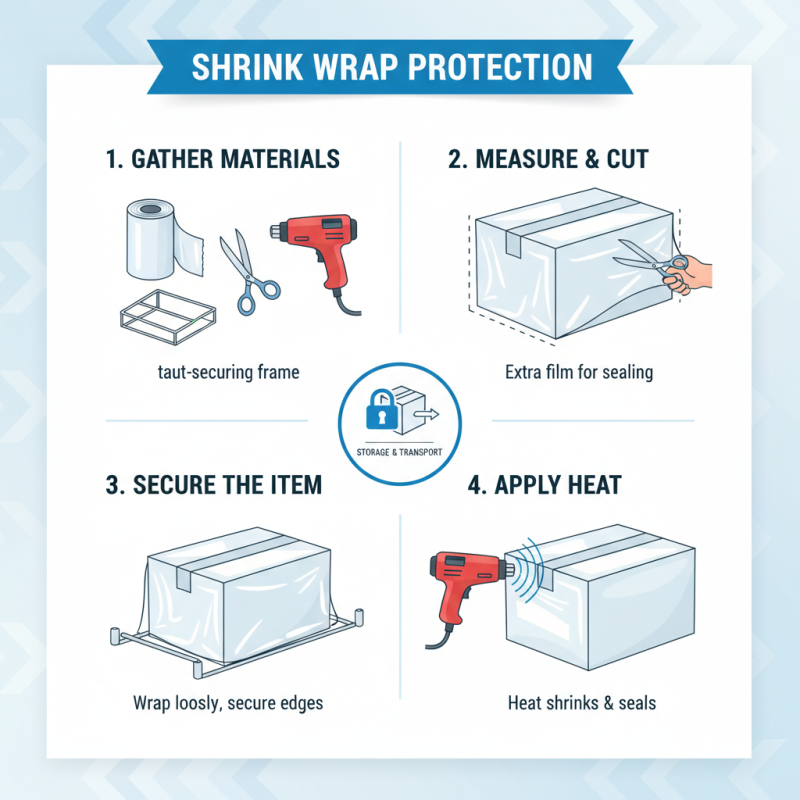
Shrink wrapping is an effective method for protecting items during storage or transportation. To begin, gather the necessary materials: shrink wrap film, a heat source (like a heat gun), scissors, and potentially a frame or tool to help tautly secure the wrap around your items. Start by cutting a sufficient length of shrink wrap film to accommodate the size and shape of the object you're wrapping. It’s best to leave extra film on each side for secure sealing.
Next, place your item in the center of the cut film and begin wrapping it tightly, ensuring that the film adheres to all surfaces. Overlap the layers as you go to create a durable barrier against dust, dirt, and moisture. Once the item is fully wrapped, use the heat gun to evenly apply heat, causing the wrap to shrink and conform tightly around the item. Ensure that you move the heat source continuously to avoid damaging the film. This process will create a snug, protective layer that safeguards your belongings during storage. Always allow the wrapped items to cool before handling, ensuring the film adheres properly and your items are well protected.
Best Practices for Storing Shrink Wrapped Products
When it comes to storing shrink-wrapped products, following best practices can significantly extend their shelf life and maintain their condition. First and foremost, it is essential to ensure the shrink wrap is applied correctly. This means ensuring a tight seal around the product without any air pockets that can lead to moisture accumulation. Air pockets can also cause the wrap to lose its protective qualities over time. If necessary, re-shrink the wrap using a heat source to guarantee a snug fit, which will also help to reinforce the product's protection against dust, dirt, and potential contaminants.
Additionally, proper environmental conditions play a crucial role in maintaining the integrity of shrink-wrapped products. Store them in a cool, dry place away from direct sunlight and heat sources. Excessive heat can cause the wrap to become brittle, while humidity can result in condensation forming inside the wrap. It is advisable to conduct periodic checks on the wrapped items to ensure there are no signs of wear or moisture buildup. By following these best practices, you can optimize the effectiveness of shrink wrapping as a storage solution, ensuring that your items remain in good condition until they are needed.
Common Mistakes to Avoid When Using Shrink Wrap
When using shrink wrap for storage and protection, avoiding common mistakes is crucial to ensure that your items are safeguarded effectively. One of the most prevalent errors is using the wrong type of shrink wrap for specific applications. It's essential to choose a shrink wrap material that matches your item’s requirements, such as thickness and elasticity. For example, using a lightweight wrap for heavy or irregularly shaped objects can result in inadequate protection, leading to damage during storage or transport.
Another mistake often made is insufficient heat application during the shrinking process. Failing to fully shrink the wrap can result in loose packaging that allows dirt and moisture to penetrate, compromising the integrity of the items inside. Conversely, applying too much heat can damage the shrink wrap or the items themselves. It's important to find a balance, ensuring that the wrap fits snugly without risking harm to your belongings. By paying attention to these details, you can significantly enhance the effectiveness of your shrink wrap application.