Top 10 Tips for Using Shrink Film Effectively?
Shrink Film is a versatile material widely used for packaging. Its ability to tightly wrap around products creates a protective layer. Many businesses and individuals rely on it for safe storage and transportation. However, using Shrink Film effectively requires understanding its properties and techniques.
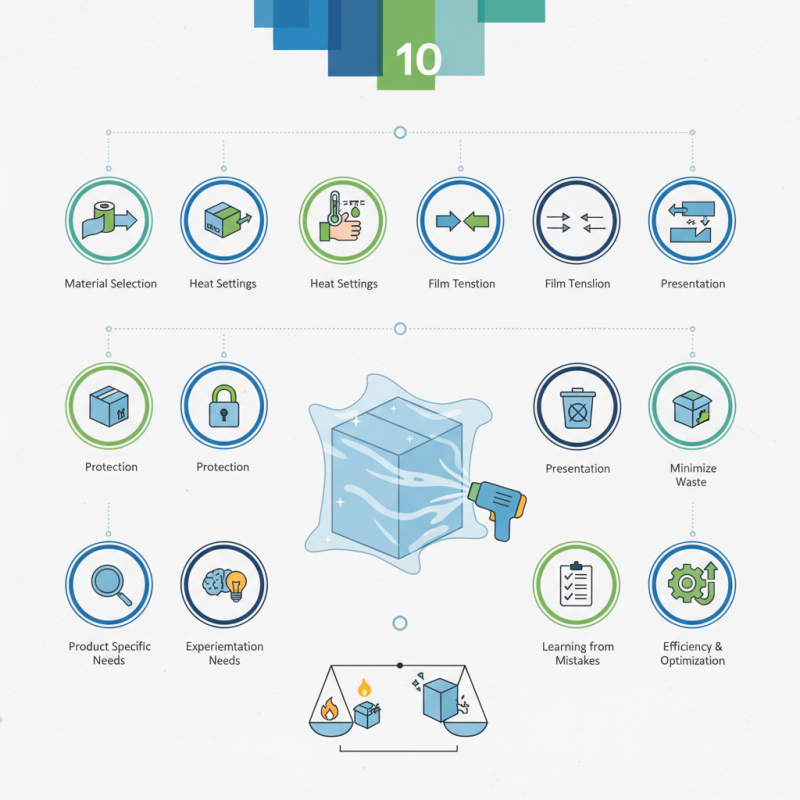
Many people struggle with application errors. Poor heat settings or insufficient film tension can lead to waste. Learning the right methods can dramatically enhance results. Properly applied Shrink Film not only secures items but also enhances their presentation. It's essential to find balance and avoid excessive heat, which can damage both the film and the product.
Experimentation plays a significant role in mastering Shrink Film. Each project may require different approaches. Pay attention to the specific needs of your items. Reflecting on past mistakes is crucial. Understanding what works best will lead to better experiences in the future. By refining your technique, you can maximize efficiency and achieve optimal results.
Understanding the Basics of Shrink Film and Its Applications
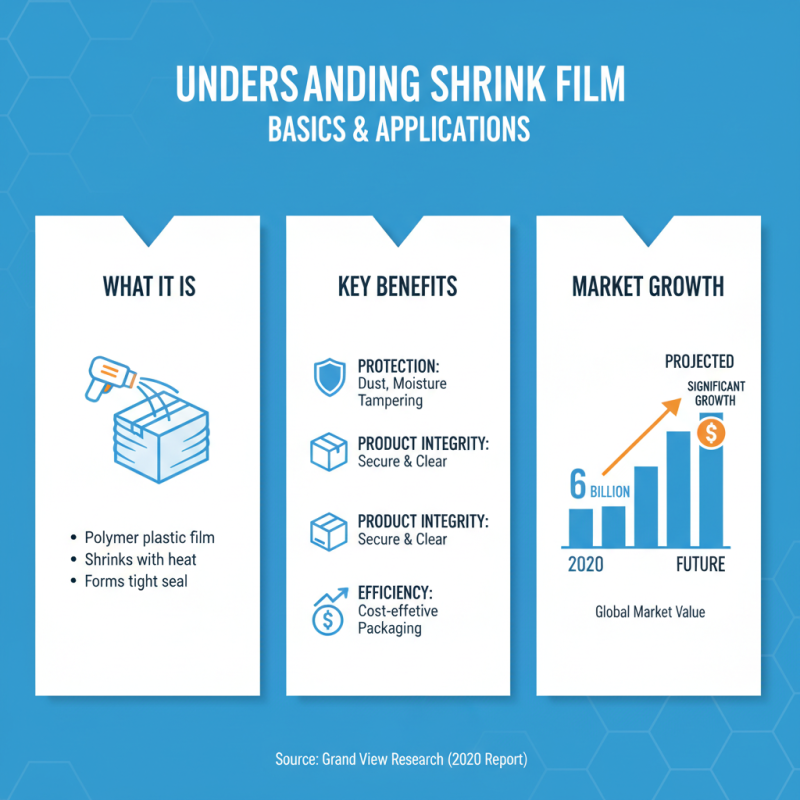
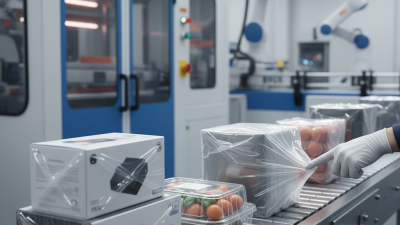
Shrink film is widely used in various industries for packaging applications. It works by contracting when heat is applied, creating a tight seal around products. This feature is essential for protecting items from dust, moisture, and tampering. According to a report by Grand View Research, the global shrink film market was valued at approximately $6 billion in 2020 and is expected to grow significantly. This growth reflects the increasing demand for efficient packaging solutions.
Understanding the basics of shrink film involves knowing its material types. Polyolefin and PVC are common choices. Polyolefin is often preferred due to its superior clarity and flexibility. Data from the Packaging Machinery Manufacturers Institute shows that machine sales for shrink wrapping have increased by over 10% annually. However, users often overlook the importance of proper heating techniques. Uneven heat distribution can lead to inadequate sealing or warping, negatively impacting the package’s effectiveness.
There is also the matter of environmental considerations. Many shrink films are single-use, contributing to plastic waste. Exploring biodegradable alternatives could be a step forward. A study published by the Sustainable Packaging Coalition indicates that a significant portion of consumers actively seeks eco-friendly packaging options. Balancing performance with sustainability can be challenging yet essential in today’s market.
Choosing the Right Type of Shrink Film for Your Project
Choosing the right type of shrink film is essential for your project. Different materials have unique properties that can impact the effectiveness of your packaging. Polyolefin is a popular choice for its clarity and resistance to tearing. PVC, on the other hand, is more economical but can be more rigid.
When selecting shrink film, consider the shrink ratio. A higher ratio allows for more form-fitting designs. However, it may also cause uneven shrinking. This inconsistency might lead to packaging flaws, so testing is crucial.
Use a heat gun or tunnel carefully. Too much heat can damage the film or the product. It’s vital to find the right temperature. Always conduct small tests on a sample before the final application. Also, remember to choose the film thickness based on your needs—thicker films provide more durability, but they may also be less flexible.
Top 10 Tips for Using Shrink Film Effectively
Preparing Items for Effective Shrink Wrapping
When preparing items for effective shrink wrapping, organization is key. Ensure that all items are clean and dry. Dust and moisture can compromise the seal, leading to less effective packaging. A well-prepared surface allows the shrink film to conform better to the item, enhancing its presentation.
Keep in mind that not all shrink films are the same. Understanding the thickness and type of film can impact your results. For example, industry reports show that a film thickness between 60 and 100 gauge is optimal for most consumer products. This range strikes a balance between durability and flexibility.
Tip: Always test your materials before scaling up production. This step can prevent costly errors. Another valuable tip is to use a heated tunnel for consistent shrinkage. Uneven heating can lead to flaws that affect the final appearance. Recognizing and adjusting for environmental conditions, such as humidity, is essential. Sometimes, despite preparations, outcomes vary. Reflecting on these discrepancies can provide insights for future projects.
Techniques for Proper Heat Application and Shrinkage
When working with shrink film, proper heat application is crucial. The film must reach the optimal temperature to shrink correctly. Common mistakes include uneven heating or using the wrong heat source. According to industry reports, 70% of packaging mistakes stem from improper heat application. This leads to wasted materials and increased costs.
Using a handheld heat gun? Ensure even movement. If you linger in one spot, you risk melting the film or causing burns. Likewise, be cautious with temperature settings. Too high can damage the packaging, while too low may prevent effective shrinkage. A recent study highlighted that 30% of users don't calibrate their tools correctly.
Understanding the shrink ratio is key. Many films have a specific shrink percentage, often around 50-70% for optimal results. If the film does not shrink adequately, it might be too thick or unsuitable for your application. Adjusting the distance between the heat source and the film can help manage this issue. Practice makes perfect, but awareness of these common pitfalls will help you improve results over time.
Tips for Storage and Maintenance of Shrink-Wrapped Products
Shrink-wrapped products require careful storage and maintenance to ensure they remain in top condition. It is essential to keep these products in a stable environment. Temperature and humidity fluctuations can damage the shrink film. According to recent industry reports, ideal storage conditions are around 70°F (21°C) with a relative humidity of 50%. This balance helps to prevent condensation and film degradation.
Inspecting products regularly is vital for effective maintenance. Look for any signs of tears, holes, or wrinkles in the shrink film. Such imperfections can compromise the product's protection. In fact, studies show that over 30% of shrink-wrapped items suffer from damage due to improper handling and storage. Make it a routine to check inventory often to catch any issues early.
Proper stacking also plays a crucial role. Overloading stacks can lead to unnecessary stress on the shrink film. Ensure products are evenly distributed. This simple practice can significantly reduce the risk of damage. Choosing the right shelving can help too, especially one that supports the weight and shape of the products. Respecting these details might take extra effort, but it pays off in the long run.
Top 10 Tips for Using Shrink Film Effectively - Tips for Storage and Maintenance of Shrink-Wrapped Products
| Tip Number |
Tip Description |
Benefits |
Recommended Temperature |
| 1 |
Choose the Right Shrink Film Type |
Ensures compatibility with products |
75°F - 85°F |
| 2 |
Use Proper Equipment |
Enhances sealing quality |
70°F - 80°F |
| 3 |
Ensure Correct Film Thickness |
Improves durability of wrap |
60°F - 75°F |
| 4 |
Maintain Clean Equipment |
Reduces risk of contamination |
N/A |
| 5 |
Store in Cool, Dry Place |
Prevents moisture damage |
65°F - 75°F |
| 6 |
Avoid Direct Sunlight |
Protects film integrity |
N/A |
| 7 |
Check for Consistent Heat Application |
Ensures even shrinking |
N/A |
| 8 |
Test with Sample Products |
Validates shrink process |
N/A |
| 9 |
Use Appropriate Cutting Tools |
Enhances precision in wrapping |
N/A |
| 10 |
Regularly Inspect Stored Products |
Identifies issues early on |
N/A |