Top 10 Plastic Shrink Packaging Solutions for Global Buyers?
In recent years, Plastic Shrink Packaging has emerged as a leading solution for brands seeking effective product presentation and preservation. Data from Smithers Pira indicates that the global shrink sleeve market is projected to reach 4.6 billion USD by 2025, reflecting a robust annual growth rate of about 7.5%. This growth underscores the importance of innovative packaging in enhancing not only shelf appeal but also supply chain efficiency.
As companies increasingly prioritize sustainability, the challenge of selecting the right Plastic Shrink Packaging solution becomes evident. Factors like material quality, shrink properties, and environmental impact play crucial roles. However, buyers often face confusion due to the multitude of options available. Reports suggest that while the demand for eco-friendly materials is rising, traditional plastics still dominate the market, highlighting the need for a balanced approach to packaging choices.
Numerous suppliers offer diverse solutions, each claiming advantages. But not all options live up to their promises. Without comprehensive understanding, businesses risk choosing suboptimal packaging that could affect product integrity. Evaluating industry leaders and their offerings is essential for making informed decisions in today's competitive landscape.

Top 10 Types of Plastic Shrink Packaging Used in Global Markets
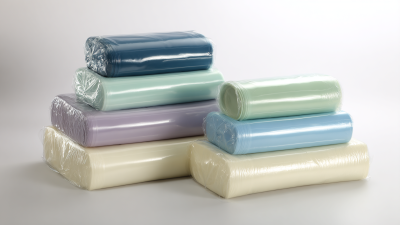
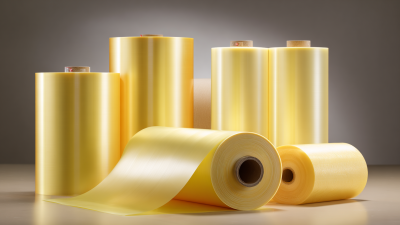
Plastic shrink packaging has gained immense popularity worldwide. Various types cater to different industries, each offering unique benefits. One common type is polyethylene (PE) shrink film. It is versatile and ideal for food packaging, as it maintains freshness and prevents contamination. Another option is polyvinyl chloride (PVC) shrink film, known for its clarity and durability. It is popular for retail products and can enhance shelf appeal.
Cross-linked polyethylene (CPE) shrink film is another notable option. This type provides high-temperature resistance and is suitable for heavy-duty applications. Its strength ensures it withstands various handling conditions. Additionally, shrink sleeves offer full 360-degree graphics, making them a favorite for beverage packaging. They conform to any shape, providing complete coverage.
As industries evolve, innovations in shrink packaging continue. For example, bio-based shrink films are emerging as eco-friendly alternatives. However, many buyers still grapple with finding the right balance between cost and sustainability. Challenges remain in sourcing materials that meet both performance and environmental standards. Exploring these diverse options helps buyers understand what works best for their needs.
Top 10 Types of Plastic Shrink Packaging Used in Global Markets
Current Trends and Innovations in Plastic Shrink Packaging Technology
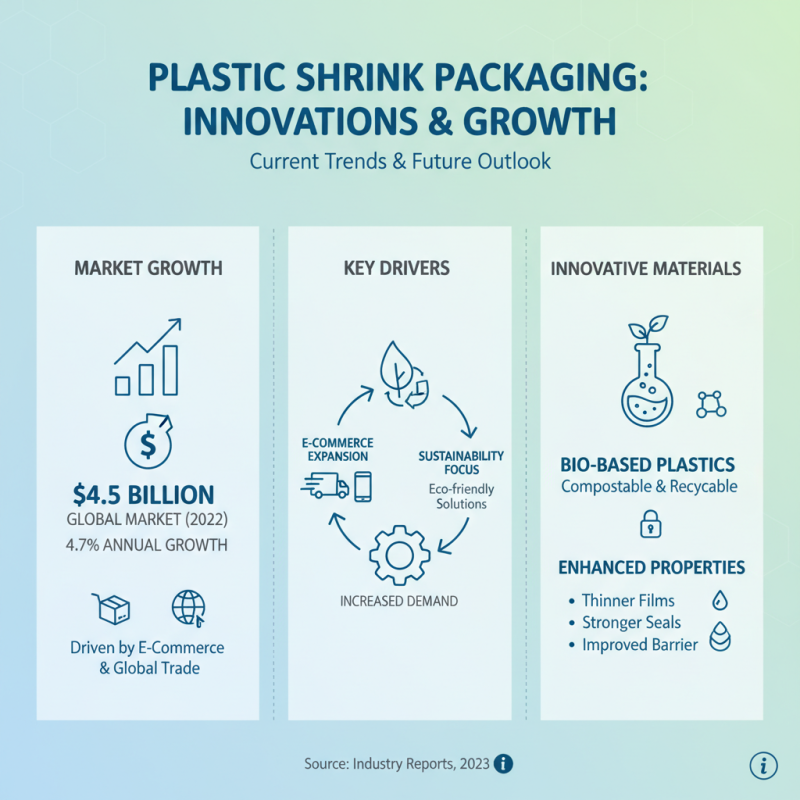
Plastic shrink packaging technology has experienced significant advancements in recent years. The global market for shrink films reached approximately $4.5 billion in 2022, showcasing a robust annual growth rate of 4.7%. This demand is driven by the rapid expansion of e-commerce and an increasing focus on sustainable packaging solutions. Manufacturers are exploring innovative materials, such as bio-based plastics, to meet both environmental standards and consumer preferences.
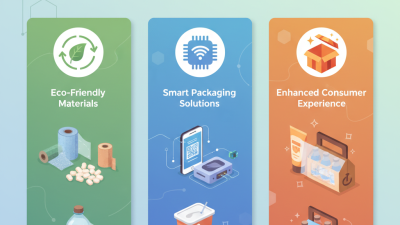
The trend towards automation in packaging has also changed the landscape. Automatic shrink wrap machines allow for increased production efficiency. These machines can operate at higher speeds, reducing labor costs and minimizing packaging errors. Additionally, smart packaging solutions are emerging, integrating QR codes or NFC technology for enhanced customer engagement. However, the reliance on technology raises concerns about cybersecurity risks, which companies must address proactively.
Sustainability remains a critical focus in the industry. Companies are expected to adopt more environmentally friendly practices. Reports suggest nearly 66% of consumers prefer sustainable packaging. Despite innovation, challenges persist. Finding eco-friendly materials that perform at par with traditional plastics is an ongoing hurdle. As the industry evolves, a commitment to continuous improvement and innovation will be essential to meet consumer demands and regulatory requirements.
Key Benefits of Using Plastic Shrink Packaging in Various Industries
Plastic shrink packaging has gained immense popularity across various industries. Its versatility and effectiveness can enhance product protection, improving shelf life and reducing damages during transportation. According to a report by Research and Markets, the global shrink film market is projected to reach $10 billion by 2027, driven by rising demand for efficient and cost-effective packaging solutions.
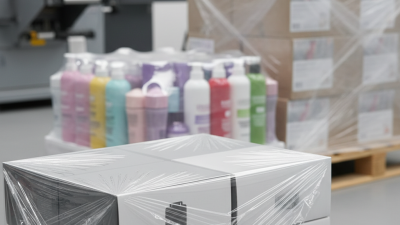
One of the key benefits of using plastic shrink packaging is its ability to securely encapsulate products. This packaging method provides a tight fit around the item, preventing movement and reducing the risk of damage. Additionally, it offers excellent moisture and dust resistance. In the food industry, shrink packaging helps maintain the freshness of products, reflecting a growing trend towards convenience in consumer choices.
Tips:
Consider adopting sustainable materials for shrink packaging. Many manufacturers are now producing biodegradable options that can further enhance your brand's eco-friendly image.
Another advantage is its visual appeal. Shrink films can be printed with high-resolution graphics, allowing brands to showcase product information effectively. Effective branding can drive sales, as packaging plays a crucial role in consumer perception.
Although shrink packaging presents numerous benefits, challenges remain. Selection of the right film thickness and shrink ratio requires careful consideration to ensure it meets product specifications. Testing and adjustments are crucial before mass production.
Market Analysis: Demand for Plastic Shrink Packaging in 2023 and Beyond
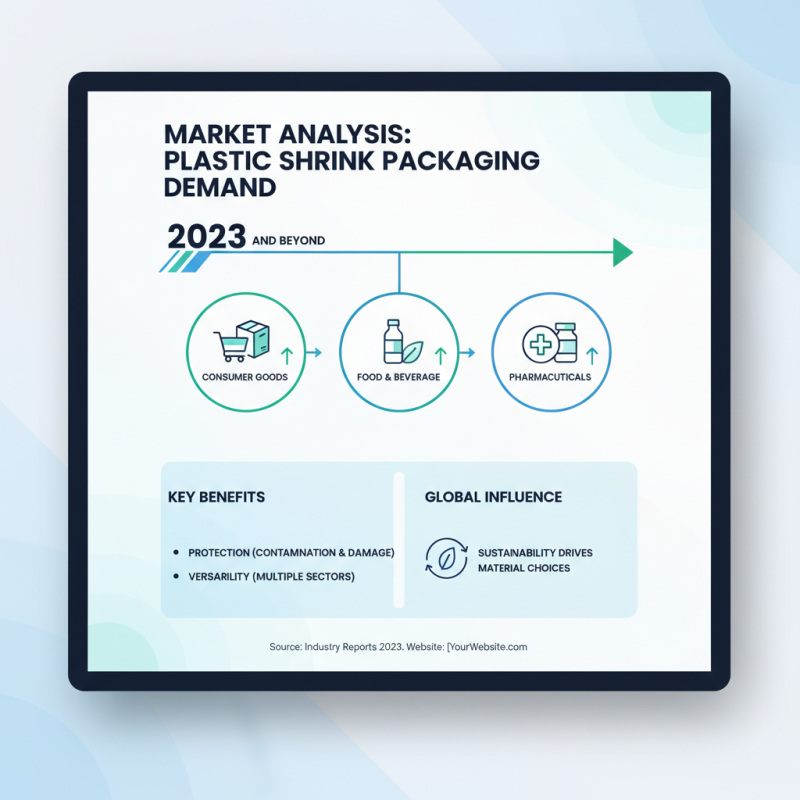
The demand for plastic shrink packaging is rapidly increasing across multiple sectors. In 2023, industries such as food and beverage, consumer goods, and pharmaceuticals are recognizing its benefits. This packaging method offers protection against contamination and physical damage. The global focus on sustainability is also influencing choices in packaging materials.
Advancements in technology are driving innovation in shrink packaging solutions. Many manufacturers are experimenting with eco-friendly materials. Yet, the challenge remains in balancing sustainability with cost-effectiveness. Buyers often face decisions impacted by price volatility in raw materials. Some buyers might be drawn to cheaper options, but these may not provide the same level of protection.
Another concern is the waste produced by conventional shrink materials. Growing awareness of environmental issues is prompting shifts in buyer preferences. Customers are now seeking transparent information about product sourcing and end-of-life options. As the market evolves, companies must address these concerns to maintain credibility and reliability. The future of plastic shrink packaging hinges on innovation and responsible practices.
Sustainability in Plastic Shrink Packaging: Recyclability and Eco-Friendly Options
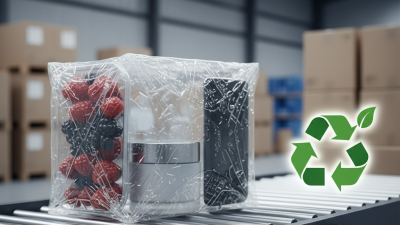
Sustainability has become a crucial aspect of plastic shrink packaging. Companies are now focusing on the recyclability of their materials. According to a 2021 report by Smithers Pira, around 52% of plastic packaging is still not recyclable. This presents a challenge for manufacturers seeking eco-friendly solutions. Innovations in materials, such as biodegradable shrink films, are starting to emerge as potential game-changers.
As consumers demand more sustainable options, companies must adapt. A survey by the Packaging Association revealed that 74% of consumers prefer brands that offer sustainable packaging. This shifts the responsibility onto producers. They must ensure their shrink packaging is not only efficient but also environmentally friendly.
However, there is a disconnect. While many companies promote their sustainable practices, actual implementation can lag behind. In many cases, recyclable plastics still contaminate recycling streams, reducing overall effectiveness. The industry must address these shortcomings through better education on materials and improved waste management systems. Efforts to balance packaging performance and sustainability are ongoing. The path to true eco-friendliness in plastic shrink packaging is still being charted.