Heat Shrink Wrap is entering 2026 as a practical packaging material, not merely a protective film. Global buyers now compare shrink performance, material efficiency, print quality, and recycling pathways before approving a supplier. Smithers’ packaging outlook reports continuing demand for flexible and protective packaging, driven by e-commerce, food distribution, and industrial shipments. Its findings also show stronger pressure to reduce material use and improve packaging recovery.
Market research from Grand View Research and Mordor Intelligence indicates steady growth across shrink film and flexible packaging markets through the decade. The figures differ because each report uses different product definitions and regions. That difference matters. Buyers should not accept one global number without checking its methodology, base year, and film categories.
Performance starts with the application.
Polyolefin, PVC, and polyethylene films serve different operational needs. Polyolefin often suits retail packs requiring clarity and controlled shrinkage. Polyethylene provides toughness for heavier cartons, pallet loads, and industrial bundling. PVC can offer strong visual presentation, but regional sustainability requirements may affect its suitability. Film thickness, sealing temperature, shrink ratio, and storage conditions must match the packaging line.
A supplier’s brochure is not enough. Buyers should request test data, migration documentation where relevant, recycled-content evidence, and batch traceability. ASTM and ISO-based testing can support more reliable comparisons. Still, laboratory results may not reflect humid warehouses, uneven heating, or rushed operators.
This guide examines the leading Heat Shrink Wrap types for 2026. It connects material choice with equipment, compliance expectations, logistics, and total cost. Some assumptions may need revision as recycling infrastructure develops. That uncertainty deserves attention.
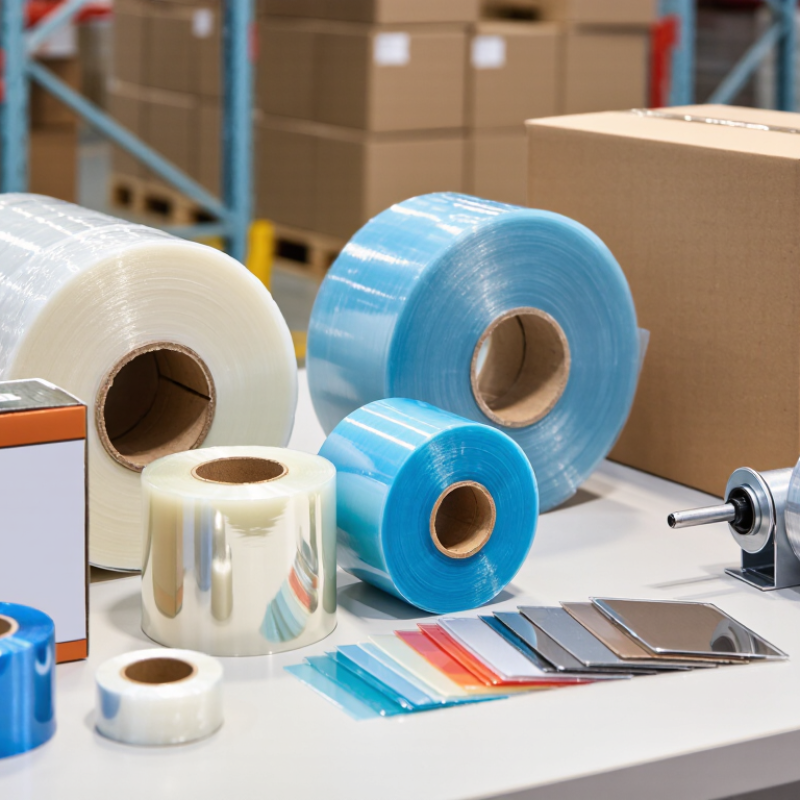
Heat shrink wrap is a thin plastic film that tightens around a product when heated. The film creates a close, protective covering. It can hold items together, reduce dust exposure, and improve package stability during handling. Common options include polyethylene, polyolefin, and PVC films. Each type behaves differently during sealing and heating.
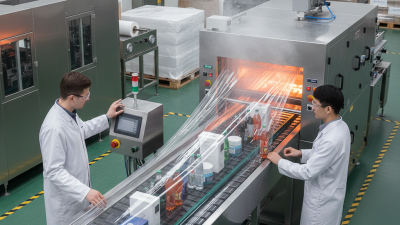
The working process is practical. A sealing bar cuts and closes the film around the product. A heat tunnel or heat gun then warms the material. As the film reaches its shrink temperature, it contracts around the load. Cooling locks the shape in place. Good results depend on film thickness, sealing strength, air movement, and product geometry. Uneven heat can cause wrinkles, holes, or weak corners.
Global buyers should test the film with real products, not only sample rolls. A heavy carton may need stronger film than a small retail pack. Food-contact use also requires suitable documentation and controlled production conditions. Storage matters too. Excessive heat, sunlight, or humidity can change film performance before use. The first trial is rarely perfect. In practice, operators may need to adjust tunnel speed and temperature several times. A clear seal is useful, but it does not prove full protection. Inspect the corners, seams, and package tension by hand. Small defects often appear after transport, not on the packing line.
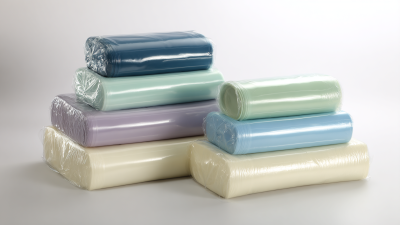
In 2026, global buyers can choose from several heat shrink wrap types. Polyolefin film remains a common option for food, retail, and bundled products. It offers clear presentation, balanced strength, and reliable shrinking across different equipment. Cross-linked polyolefin provides better puncture resistance for sharp-edged goods or heavier bundles. It usually costs more, but damaged packages can cost even more.
PVC shrink film is still available for selected non-food applications. It shrinks easily and often delivers a glossy finish. However, buyers should check temperature limits, ventilation needs, and local disposal requirements. Polyethylene shrink film suits large cartons, construction materials, and pallet loads. It is thicker and tougher, but it gives less visual clarity. Shrink bags and preformed sleeves add convenience when workers need faster manual packing.
Some suppliers also offer perforated films, printed films, and low-temperature shrink materials. Each type changes packaging speed, energy use, and product protection. Film thickness matters too. A thinner film is not automatically better. It may reduce material use, yet fail around corners or during transport. A practical test should include heat exposure, seal strength, drop resistance, and storage humidity.
I have seen teams select film by price alone. That decision often creates rework. A better choice matches the film with the product shape, sealing machine, shipping route, and recycling system. Specifications can look perfect on paper. Real packages may behave differently. Small trial runs remain valuable in 2026.
Choosing shrink wrap starts with the product, not the machine. Polyolefin film suits retail packs, toys, and boxed goods requiring clear presentation. It usually provides balanced strength and appearance. PVC film can offer strong shrink performance for selected non-food applications. However, buyers should confirm local safety and disposal requirements. Polyethylene film works well for heavy bundles, cartons, and pallet loads. It is thicker and more tear-resistant, but less visually refined. Film thickness matters. A thin film may reduce cost, yet sharp corners can create failures during transport.
There is no perfect material for every order. In practical evaluations, small changes in carton shape can alter shrink results. Recycled-content goals may also affect clarity, strength, and processing stability. Buyers should record test results, including film width, thickness, shrink ratio, and sealing defects. Sometimes the cheaper roll creates more waste. That lesson is easy to miss. Recheck the choice after production begins.
Choosing among PE, PVC, polyolefin, and cross-linked shrink films requires more than comparing prices. According to Smithers’ The Future of Global Shrink Film to 2028, the market is expected to grow by roughly 5% annually through 2028. That growth increases supplier choices, but also creates specification confusion. Buyers should confirm film thickness, shrink percentage, sealing temperature, puncture resistance, and clarity against the actual product shape.
Start with the packaging line. A film that performs well on a manual heat gun may fail on an automatic L-sealer. Check the machine’s sealing range, tunnel temperature, conveyor speed, and maximum package dimensions. Request production samples, not only laboratory sheets. Ask for batch consistency data, technical specifications, safety data, and relevant food-contact documentation when applicable. The Flexible Packaging Association reports that downgauging can reduce material use, but thinner film may lose durability during transport.
Recycling conditions also matter. The OECD Global Plastics Outlook notes that only about 9% of plastic waste has historically been recycled worldwide. A technically strong film may still be unsuitable where local recovery systems cannot process it. Confirm the resin structure, additives, printing layers, and disposal guidance. Do not trust vague “eco” claims. Some tests look perfect.
In my experience, weak purchasing decisions often begin with one attractive sample. Test humidity, cold storage, sharp corners, compression, and long-distance handling. A small trial shipment can expose defects that a showroom sample hides. Suppliers should also disclose tolerance ranges, because shrink performance can vary between batches.
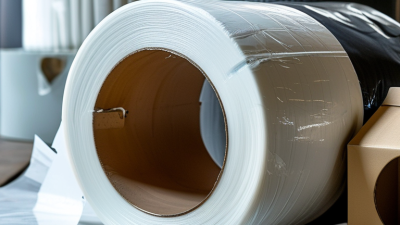
Heat shrink wrap performs best when stored before it is needed. For global buyers, common choices include polyolefin, PVC, and polyethylene film. Keep rolls in a cool, dry room away from sunlight, heaters, and sharp edges. Store them upright on clean shelves, with protective packaging intact. Avoid stacking heavy cartons on top. Excessive heat can distort the film before use. That detail is often overlooked.
Before wrapping, inspect the roll for dust, tears, or flattened edges. Choose a film thickness that matches the product’s weight and surface shape. Leave enough overlap for a firm seal, but avoid excessive material. Apply heat evenly with suitable equipment and steady movement. Keep the heat source moving. Concentrated heat can burn, shrink unevenly, or damage the package. Wrinkles are not always a failure, but large air pockets deserve correction. I have seen rushed operators solve one problem and create another.
Recycling begins with clean separation. Remove labels, straps, cardboard, and other attached materials when practical. Separate polyolefin, PVC, and polyethylene, because many recycling systems process them differently. Keep the film dry and free from oil, food residue, and soil. Contact the local recycling facility before shipment, since acceptance rules vary by region. Contaminated film may be rejected. A better process is not always convenient, and that is worth admitting. Record the material type and handling method for future orders. Small records prevent repeated packaging mistakes.