Top 10 Benefits of Heat Shrink Wrap for Packaging Solutions?
Heat Shrink Wrap has become a vital component for packaging solutions across various industries. According to a report by Smithers Pira, the global shrink film market is projected to reach $12 billion by 2023, reflecting a growing preference for this versatile packaging method. Businesses are increasingly turning to Heat Shrink Wrap for its durability and ability to provide tamper-proof protection. This is particularly relevant considering that more than 60% of consumers prioritize secure packaging when purchasing products.
This packaging solution not only enhances product presentation but also improves shelf life. A study by the Freedonia Group highlights that the use of Heat Shrink Wrap can prolong the freshness of food items, which is crucial for reducing waste in a world where approximately one-third of all food produced is lost or wasted. However, it's essential to recognize the environmental impact of plastic use and consider sustainable alternatives in packaging solutions.
Despite its benefits, businesses must reflect on the challenges that come with Heat Shrink Wrap. Training staff to use these materials effectively is crucial. Moreover, while Heat Shrink Wrap provides a strong barrier against external factors, improper seals can lead to product damage. Striking a balance between cost and quality is vital for companies looking to optimize their packaging strategies while maintaining consumer trust.
Understanding Heat Shrink Wrap: An Overview of Its Composition
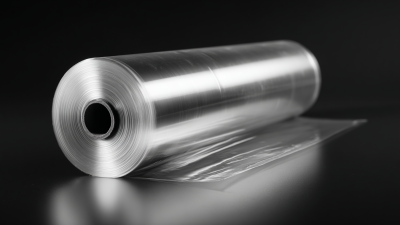
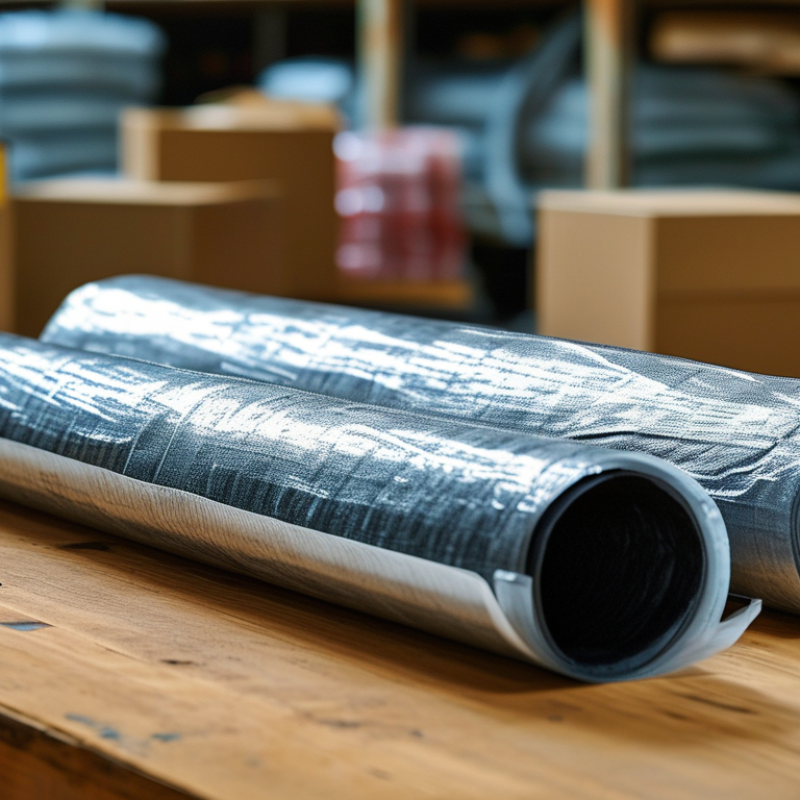
Heat shrink wrap is a versatile packaging material. It is commonly made from polyethylene, PVC, or polyolefin. Each type has unique properties suited for different applications. Polyethylene is lightweight and strong. PVC is ideal for clear visibility of products. Polyolefin offers excellent elasticity and durability.
The application process involves heating the wrap, causing it to shrink tightly around the product. This creates a secure seal that protects items from dust, moisture, and tampering. According to a report by Smithers Pira, the global demand for shrink film is estimated to reach 3.4 million tons by 2025, reflecting its growing importance in packaging.
Though effective, heat shrink wrap does have its drawbacks. The heating process can be energy-consuming. Incorrect application may lead to inadequate sealing, which can reduce product integrity. These challenges highlight the need for skilled operators and quality control measures during the packaging process. Addressing these concerns ensures the reliability of shrink wrap as a packing solution.
Key Advantages of Heat Shrink Wrap in Protecting Products During Shipping
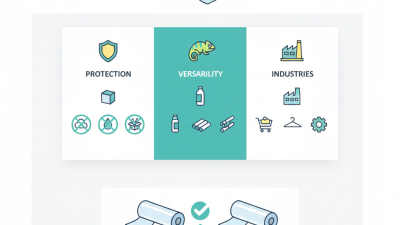
Heat shrink wrap is a popular choice in packaging solutions, particularly for protecting products during shipping. Its versatility is one of its key strengths. This material tightly conforms to products when heat is applied, creating a secure barrier. It prevents dust, moisture, and even scratches from damaging items. For fragile goods, this added protection is invaluable.
Durability is another important benefit. Heat shrink wrap can withstand varying temperatures and environmental conditions. This resilience helps maintain product integrity during transit. However, it's essential to ensure packaging techniques are precise. Overheating can lead to compromised seals, while underheating may result in loose wraps. Attention to detail is crucial for optimal protection.
Moreover, heat shrink wrap is lightweight and can reduce shipping costs. It minimizes excess packaging materials. This eco-friendliness is attractive for many businesses. Still, the choice of shrink wrap thickness can impact costs and performance. Finding the right balance requires experience. Proper training and guidance in using this material can enhance its advantages, ensuring products reach customers in perfect condition.
Enhanced Presentation: How Heat Shrink Wrap Improves Packaging Aesthetics
Heat shrink wrap has become a popular choice for enhancing product presentation in the packaging industry. It clings tightly to various shapes, providing a clean and polished look. When a product is wrapped, it transforms ordinary items into visually appealing ones. The glossiness of the shrink wrap catches the eye, making products stand out on shelves. This aesthetic appeal can significantly influence customer purchasing decisions.
Moreover, heat shrink wrap offers customization options such as printing and graphics. Businesses can print logos and designs directly onto the wrap, elevating brand visibility. Detailed images and vibrant colors can attract consumers and communicate important information at a glance. However, not all designs translate well onto shrink wrap. Sometimes, intricate details may blur or distort during the heat application process, requiring careful planning and testing.
The reliability of heat shrink wrap also enhances its appeal. It protects products from dust, moisture, and damage, maintaining their pristine appearance. Nevertheless, it is essential to consider how the wrap fits with new trends like sustainability. Consumers are more environmentally conscious now, and excessive plastic use could deter potential buyers. Finding a balance between effective packaging and eco-friendliness remains a challenge for many businesses.
Eco-Friendly Options: Sustainable Benefits of Using Heat Shrink Wrap
Heat shrink wrap is gaining attention as a sustainable packaging option. Research indicates that it can reduce material usage by up to 50%. This is significant in an industry where waste is a critical concern. By minimizing excess packaging, businesses can lessen their environmental impact. Many manufacturers are adopting biodegradable materials in their heat shrink films, which could further enhance sustainability.
Another important aspect is energy efficiency. A study found that using heat shrink wrap can save about 30% in energy during the packaging process. Utilizing less energy translates to lower carbon emissions. This method also often requires less transportation space due to its lightweight nature. Thus, businesses can optimize logistics, contributing to a greener supply chain.
However, there are considerations. Not all heat shrink options are eco-friendly. Some traditional materials still pose risks to recycling processes. It’s essential for companies to research and choose the right type of shrink wrap. Finding a balance between cost and sustainability remains a challenge for many. The transition to eco-friendly packaging is necessary, yet it demands careful reflection on current practices.
Top 10 Benefits of Heat Shrink Wrap for Packaging Solutions
| Benefit |
Description |
Eco-Friendly Feature |
| Durability |
Provides protection against moisture, dust, and physical damage. |
Made from recyclable materials. |
| Lightweight |
Reduces shipping costs due to lighter package weight. |
Lower carbon footprint during transportation. |
| Versatility |
Can be used for a wide range of products and industries. |
Utilizes materials that can be repurposed. |
| Tamper Evidence |
Shows visible signs of tampering, ensuring product safety. |
Encourages consumer trust in packaging integrity. |
| Cost-Effective |
Lower material costs compared to rigid packaging. |
Efficient production minimizes waste. |
| Customization |
Can be printed with branding and product information. |
Printed with eco-friendly inks. |
| Improved Shelf Life |
Protects products from contaminants and extends freshness. |
Reduces food waste and enhances sustainability. |
| Aesthetic Appeal |
Enhances product presentation and visibility. |
Attractive design reduces the need for additional packaging. |
| Safety |
Minimizes product movement in transit, reducing damage. |
Non-toxic materials used for food and health products. |
| Easy to Use |
Simple application process, saving time and labor. |
Creation of less environmental waste during application. |
Cost-Effectiveness of Heat Shrink Wrap in Industrial Packaging Solutions
Heat shrink wrap is increasingly recognized for its cost-effectiveness in industrial packaging solutions. According to a 2021 report by Freedonia Group, the global market for shrink film is projected to reach $3.9 billion by 2024. This growth reflects the cost savings businesses can achieve through efficient packaging methods. Heat shrink wrap is lightweight yet durable, reducing shipping costs and material waste.
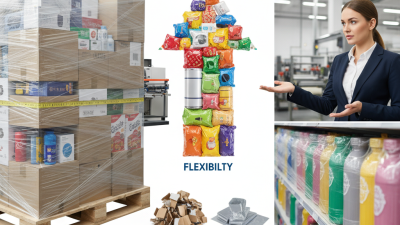
In addition, the versatility of heat shrink wrap offers significant advantages. It can adapt to various product shapes and sizes, ensuring comprehensive coverage. This flexibility minimizes the need for multiple packaging types, streamlining inventory management. A 2022 industry analysis from Smithers highlights that using fewer materials can lead to savings of up to 15% in packaging costs.
However, it is crucial to consider potential downsides. The application process requires specialized equipment, which can be a barrier for small businesses. Some companies may find the initial investment daunting. Yet, as the benefits of reduced damage during shipping and longer shelf life become evident, many find the long-term savings outweigh these concerns. An informed approach can lead to sustainable packaging solutions while maintaining budget efficiency.