Leave Your Message

What Are the Top 10 Types of Shrink Wrap?

Shrink Wrap is not one material or one machine setting. It is a family of films and formats used to bundle products, protect surfaces, and stabilize loads. A clear sleeve around a boxed toy behaves differently from a thick hood pulled over a pallet. Heat, film thickness, sealing method, and product shape all affect the result.

Market figures show why these choices matter. Grand View Research’s Shrink Film Market report estimated the global market at about $15.2 billion in 2023, with projected growth through 2030. Such estimates vary by research method and by which film products analysts include. Still, they point to a broad, active packaging sector—not proof that one film suits every job. No film is perfect.

This guide compares ten common types, including polyolefin, polyethylene, PVC, cross-linked films, and specialty formats. It explains where each performs well, what trade-offs to expect, and which details deserve a closer look. For example, a tight bundle of bottles may need different strength and sealing behavior than a small retail item. Buyers should also check the full package design, equipment compatibility, and end-of-life options. A label can say “recyclable,” yet local collection systems may not accept that film. That gap is easy to overlook. The aim here is practical: help readers match the wrap to the product, process, and real handling conditions.
What Are the Top 10 Types of Shrink Wrap?

How Shrink Wrap Works and How Its Types Are Classified

Shrink wrap is a film that conforms closely to an item or group of items. With heat-shrink film, controlled warmth makes the material contract around the load. Stretch film works differently: tension pulls it snug, and its elasticity helps hold the package in place. The result depends on film thickness, temperature, load shape, and sealing quality. Too much heat can weaken or distort the film.

Types are classified by both material and format, so the categories can overlap. Common examples include PVC, polyolefin, polyethylene, cross-linked polyolefin, centerfold film, shrink bags, shrink tubing, shrink sleeves, bundling film, and perforated shrink film. The first four describe material formulations; the others describe formats or features. Each suits different jobs. Sleeves cover containers, while bundling film groups products together. A material name alone does not guarantee a good fit.

Tips: Match the film to the item’s edges and heat tolerance. Test a sample with the actual sealer or heat source. Watch for loose corners, cloudy patches, and pinholes. Fit matters. A perfect-looking first test may still fail after handling, so check the wrapped item again.

The Top 10 Types of Shrink Wrap by Material and Structure

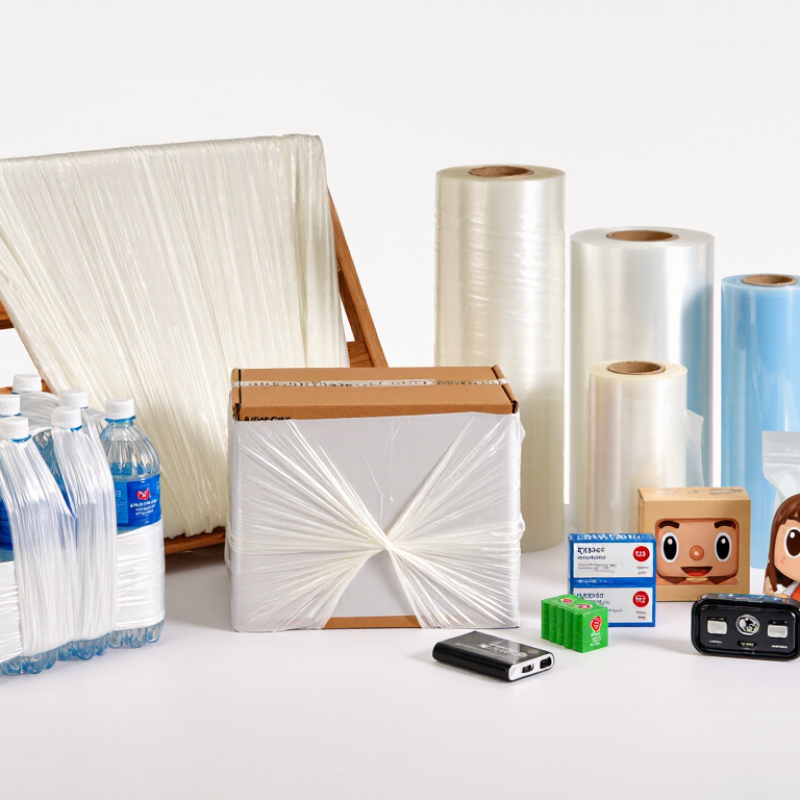
Shrink wrap is defined by both its polymer and its format. PVC film is clear and shrinks readily, but can become brittle in cold storage. Polyolefin film is often chosen for retail packs because it is flexible and presents products clearly. Polyethylene (PE) film suits heavier loads; low-density PE (LDPE) is commonly used for bundling, while linear low-density PE (LLDPE) can add toughness. Cross-linked polyolefin offers stronger seals and resistance to tearing. Co-extruded multilayer film combines layers to balance properties such as strength and clarity. There is no perfect film. The right choice depends on product shape, weight, sealing equipment, and handling conditions.

Structures matter too. Centerfold film opens from a folded roll and can cover products from both sides. Single-wound film feeds as one flat web, giving operators a simple, familiar format. Gusseted tubing expands around bulky or irregular products. Shrink sleeves wrap around containers and conform closely when heated. These are ten commonly used types, though categories can overlap.

For context, PlasticsEurope’s Plastics—The Fast Facts 2023 reports that packaging represented 39.8% of European plastics converter demand in 2022; this figure covers packaging broadly, not shrink wrap alone. The Flexible Packaging Association’s 2024 State of the U.S. Flexible Packaging Industry report estimates U.S. flexible-packaging shipments at $42.3 billion in 2023.

Those figures show the scale of flexible packaging, but they do not make one film suitable for every job. A test run can reveal wrinkles, weak seals, or excess heat—details that specification sheets may not predict.

Key Differences in Strength, Clarity, and Shrink Performance

What Are the Top 10 Types of Shrink Wrap?
Key Differences in Strength, Clarity, and Shrink Performance

Shrink wrap includes PVC, polyolefin (POF), cross-linked POF, multilayer POF, polyethylene (PE), shrink bags, shrink tubing, sleeve film, bundling film, and barrier shrink film. They do not perform alike. POF is typically clear and suited to retail items; cross-linked POF often resists punctures better during handling. PE is thicker and stronger for bundling heavier loads, but usually looks less glossy. PVC shrinks readily, though its performance can vary with film thickness and heat settings. Bags and tubing simplify specific shapes; sleeves provide close coverage around containers.

Compare measured specs, not just labels. Published technical data commonly shows POF shrink around 50–70% and PE around 20–40%, but formulation, direction, and test temperature change the result. ASTM D2732 provides a method for measuring unrestrained film shrink, while ASTM D882 measures tensile properties. The Flexible Packaging Association’s 2023 industry report estimated U.S. flexible-packaging sales at $42.9 billion in 2022. That figure signals a large, varied market—not a universal film-performance benchmark. A clear film can still tear at a sharp corner. That detail is easy to miss.

Tips: Test a small sample on the actual product. Watch the corners, seams, and label edges under heat. Record temperature and line speed; otherwise, comparisons can be misleading. One limitation: a tidy test sample may not represent a rough production run.

What Are the Top 10 Types of Shrink Wrap? - Key Differences in Strength, Clarity, and Shrink Performance
Type Typical Composition or Format Relative Strength Typical Clarity Typical Shrink Performance Common Uses and Key Differences
PVC Shrink Film Polyvinyl chloride film, commonly supplied as centerfold film or bags Medium High Strong, rapid shrink response; can become brittle in cold conditions Often used for retail multipacks, boxes, and non-food items. It can provide a close-fitting package, but processing and ventilation requirements should be considered.
Standard Polyolefin (POF) Shrink Film Usually a multi-layer polyolefin film based on polyethylene and polypropylene components Medium to high High Balanced shrink with a soft, flexible package finish A versatile option for retail products and mixed product shapes. It is commonly selected for its clear appearance and flexibility.
Cross-Linked POF Shrink Film Polyolefin film treated to create additional links between polymer chains High High Consistent shrink and improved resistance to burn-through during sealing Useful for irregular shapes, heavier items, and higher-speed packaging lines. Cross-linking can improve toughness and seal performance compared with standard POF.
Polyethylene (PE) Shrink Film Polyethylene-based film; formulation and thickness vary by application High Low to medium Strong shrink force suited to bundling and load containment Common for beverage multipacks, cartons, and other heavier bundles. It is generally thicker and less glass-clear than POF films.
LDPE Shrink Film Film made primarily from low-density polyethylene Medium to high Medium Flexible film with useful shrink force for bundling Often used for multipacks and larger products. Its flexibility can help it conform around packages, while clarity depends on the grade and film thickness.
LLDPE-Rich Shrink Film Polyethylene film containing a substantial proportion of linear low-density polyethylene High Low to medium Can provide strong, durable bundles; response varies with the blend Selected where puncture and tear resistance are important. LLDPE is often blended with other polyethylene grades to balance toughness, sealing, and shrink behavior.
Cross-Linked PE Shrink Film Polyethylene film with a cross-linked polymer structure High Low to medium Designed for strong shrink and demanding bundling applications Used for heavier products and industrial multipacks. Its strength can support robust packages, though the film is not typically chosen for maximum transparency.
PETG Shrink Sleeve Film Polyethylene terephthalate glycol-modified film, generally printed as a sleeve or label Medium High High, controlled shrink that can conform around complex shapes Common for full-body container sleeves and tamper-evident bands. It is a sleeve-label material rather than a typical bundling film.
OPS Shrink Sleeve Film Oriented polystyrene film used primarily for shrink labels and sleeves Low to medium High High shrink capability, with performance dependent on the container and process Used for printed sleeves on containers with shaped profiles. Its lower stiffness and handling characteristics differ from tougher bundling films.
PLA Shrink Film Film made from polylactic acid, a plant-derived polymer; formulations differ Low to medium High Grade-dependent shrink response; requires compatible processing conditions Used in some specialty packaging and sleeve applications. End-of-life options depend on the exact material, local facilities, and applicable standards.
Ratings are qualitative comparisons of common commercial film types, not standardized test results. Actual strength, clarity, and shrink behavior vary by grade, thickness, package design, and processing conditions.

How to Choose the Right Shrink Wrap for a Product

How to Choose the Right Shrink Wrap for a Product

The right shrink wrap depends on the product, packaging equipment, and conditions during storage and shipping. Common options include polyolefin, PVC, polyethylene, cross-linked film, centerfold rolls, bags, tubing, sleeves, and bundling film. These names describe different materials and formats, so compare the actual specifications rather than relying on the label alone.

Start with the product’s size, weight, and surface. A small box with sharp corners may need tougher film than a smooth, lightweight item. Polyolefin is often chosen for retail products that need clear presentation, while polyethylene can suit heavier bundles. Check the film’s recommended thickness and shrink temperature against your machine’s settings. Heat-sensitive items need particular care. Fit matters.

Think about the full journey, too. Will packages face damp storage, rough handling, or long transit? A tight-looking wrap is not automatically a protective one. I would not choose by clarity alone; that is an easy mistake. Test a sample with the real product and equipment, then inspect seams, corners, and wrinkles after cooling. Test a sample. If the film tears, clouds, or distorts the item, revisit the material, gauge, and settings. A brief trial can reveal problems that a spec sheet may not show.

What Are the Top 10 Types of Shrink Wrap?

Typical film thickness ranges can help narrow down options when choosing shrink wrap. The ranges below are indicative; exact specifications vary by material grade, supplier, and application.

Use the thinnest film that reliably protects the product and forms a secure package. Also consider product shape, required strength, sealing equipment, heat sensitivity, clarity, and end-of-life requirements. For irregular or heavy products, thicker polyethylene films are commonly considered; for retail presentation, polyolefin and shrink-sleeve films are common options.

Common Applications and Handling Considerations by Type

What Are the Top 10 Types of Shrink Wrap?

Common Applications and Handling Considerations by Type

Shrink wrap choices include PVC, polyolefin, polyethylene, cross-linked and irradiated polyolefin, plus centerfold film, bundling film, vented film, shrink bags, and printed film. These describe both materials and formats. PVC can suit small retail packs, but needs careful heat control. Polyolefin is common for food and consumer goods; cross-linked grades resist punctures around sharp corners. Polyethylene often wraps heavier multipacks and pallet loads. It needs more heat than thinner films. Check the equipment settings.

Formats change how a line runs. Centerfold rolls simplify wrapping individual boxes, while bundling film holds beverage cases together. Vented film lets trapped air escape around produce or warm products. Shrink bags and tubing fit irregular items, but seal quality matters. Printed film can carry handling instructions or product information; registration errors show quickly on the finished pack. Small details matter. Keep rolls dry and clean, match film width to the load, and test seals before a full production run.

PlasticsEurope’s Plastics – the Fast Facts 2024 report estimates that packaging accounted for 39% of European plastics-converting demand in 2023. That figure covers packaging broadly, not shrink film alone, but it shows why material selection deserves attention. A practical trial should check shrink temperature, tunnel speed, ventilation, and load stability. Watch the corners. Excess heat can distort thin film, while weak seals may open during handling. Even experienced operators sometimes need to adjust settings when a product or season changes.