Essential Tips for Choosing the Right Printing Film?
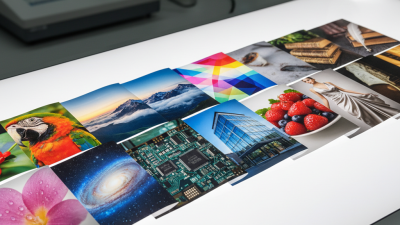
Choosing the right printing film is essential for achieving high-quality results. Printing film affects color accuracy and durability. With so many options, it can be overwhelming.
You must consider various factors when selecting printing film. The type of project matters. Some films work better with specific printers or inks. Not all films deliver the same outcome, and this can lead to frustration.
Also, think about the environment. Some films are more eco-friendly than others. Quality doesn't always come cheap. Sometimes, the more affordable options can yield disappointing results. Don’t overlook how conditions affect your choice. Reflect on your needs to make a better decision.
Understanding Different Types of Printing Films Available in Market
Choosing the right printing film can be a challenge. The market offers various options, each with specific features and benefits. Understanding these differences is crucial for making informed decisions.
Polyester films are popular for their durability and clarity. They are often used in high-quality prints. This material provides excellent color reproduction and is resistant to moisture.
Conversely, polypropylene films are a cost-effective choice. They are lightweight and have good flexibility. Many businesses favor this type of film for standard prints. However, they may not offer the same level of durability as polyester. A recent industry report indicates that about 40% of print businesses opt for polypropylene due to its affordability.
Another type worth considering is PET film. This type can withstand higher temperatures and is suitable for advanced printing techniques. But, the environmental impact of PET film raises concerns. According to industry analysis, about 30% of consumers prioritize eco-friendliness. This highlights an essential consideration in selecting printing films. Balancing quality, cost, and sustainability is key.
Key Factors to Consider When Selecting Printing Films for Your Projects
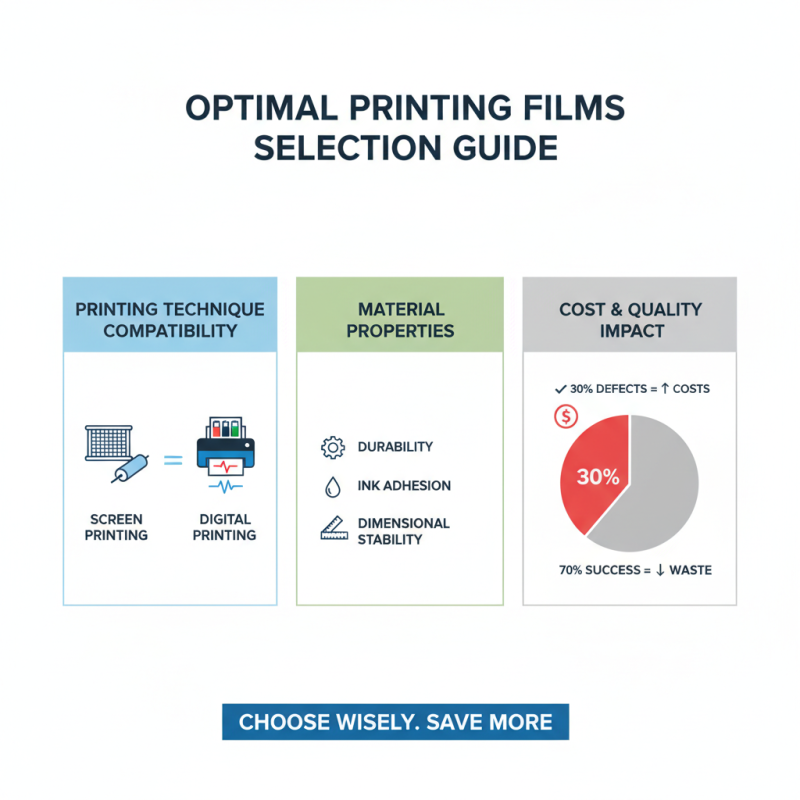
When selecting printing films, several key factors can significantly influence the final outcome of your projects. One important aspect is the film's compatibility with various printing techniques. For instance, films best suited for screen printing may differ from those ideal for digital printing. According to industry reports, around 30% of print defects stem from improper film choices, often leading to increased production costs.
Another critical factor is the film thickness. Thicker films can offer better durability and resistance, making them suitable for outdoor applications. However, they might reduce image clarity. Research indicates that inappropriate film thickness can result in up to a 25% decrease in print quality. It's crucial to analyze the specific requirements of your project before making a decision.
The type of ink used is equally vital. Some films perform better with solvent inks, while others work best with UV-curable inks. Incompatible combinations can lead to adhesion issues and premature fading. As the market evolves, understanding these nuances can be daunting. It’s essential to consider testing different films before committing to a large print run, as missteps here may lead to costly errors and wasted materials.
Evaluating the Compatibility of Printing Films with Various Inks
When selecting printing films, compatibility with ink types is crucial. Each ink has unique properties that affect how it interacts with the film. For instance, solvent-based inks can be bold and vibrant. However, they may cause issues with certain films, leading to smudging. On the flip side, water-based inks offer a more eco-friendly option. Yet, they might not adhere well to some films, resulting in faded prints.
It is essential to test different combinations. This testing can save time and material costs. Experimenting with samples can reveal unexpected results. As you try various films, keep notes on their performance with each ink. Some films may seem promising but deliver subpar results over time. Be aware that what works today may not work tomorrow. Environmental factors play a role, too, influencing ink and film interactions.
Running trials can help identify the ideal pairing. Sometimes, relying on other users' experiences can provide insight. However, others’ recommendations might not always lead to success. Each printing scenario is unique. This discovery process can be frustrating, yet it is an integral part of achieving the desired results.
Essential Tips for Choosing the Right Printing Film
Assessing the Durability and Quality of Printing Films for Long-Term Use
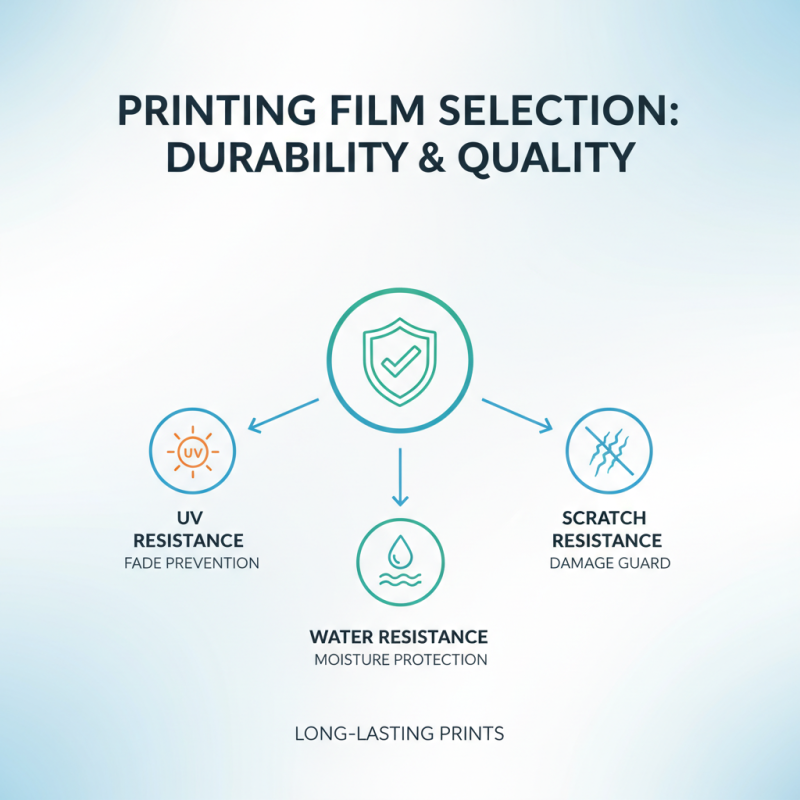
When selecting a printing film, durability and quality are crucial factors. A well-chosen film can ensure that your prints withstand the test of time. You might consider aspects such as UV resistance, water resistance, and scratch resistance. These qualities play a vital role in maintaining the integrity of your print. For instance, a film that fades quickly in sunlight can compromise your work’s longevity.
Next, evaluate the thickness and weight of the film. Thicker films often provide better protection. However, they can be more challenging to work with. You may experience difficulty in handling or aligning thicker materials. On the other hand, thinner films might produce smoother applications but may lack the durability you need.
Always remember to conduct quality checks. You should also assess how the film interacts with your ink or printer. It can be disappointing to find that your chosen film does not yield the desired results. Be willing to experiment. Test different types and observe their performance over time. Keep your options open and remain mindful of the importance of long-term usability in your projects.
Cost Considerations: Balancing Quality and Budget for Printing Films
When considering printing films, cost is often a major factor. Good quality films can be pricey, but cheaper options may compromise the final product. Finding the right balance is crucial. Analyze your budget first. Determine how much you can spend without sacrificing quality.
Think about the long-term benefits of investing in better films. Higher quality films often yield clearer images and more vibrant colors. This can enhance your project’s overall appeal. It’s important to also consider usage. If you need films for a one-time project, lower-cost options might suffice. However, frequent use warrants a more substantial investment.
Don’t ignore the importance of reviews and samples. Sometimes, films might look appealing but perform poorly. Request samples from suppliers to test. It’s a valuable step that can prevent regrets later. Ensure that your choice aligns with your expectations. Balancing quality with budget is not always straightforward. Adjusting your choices based on actual performance can lead to better outcomes.