Top 5 Tips for Choosing the Best Printing Film?
Choosing the best printing film is crucial for achieving high-quality print results. According to the latest market report from Smith & Associates, the global printing film market is projected to reach $7 billion by 2025. This emphasizes the importance of selecting the right products. Industry expert Dr. Emily Zhang states, “The right printing film can significantly enhance the visual appeal of your material.”
When selecting a printing film, understanding the material properties is essential. The film must align with the specific printing technique used. Factors such as durability, clarity, and compatibility are paramount. A proper match ensures longevity and professional appearance.
Many professionals overlook these details. As a result, they may face challenges later that could have been avoided. The printing film market is rapidly evolving, urging users to stay informed. It's essential to take the time to evaluate options carefully. The decision impacts not only the final product but also the budget and timeline of your projects.

Understanding the Different Types of Printing Films Available
When selecting printing films, it's essential to understand the various types available. Each type has unique properties that influence print quality and application. For instance,
polycarbonate films offer greater durability, making them ideal for outdoor uses. According to a report by Smithers Pira, the global demand for high-quality printing films is expected to grow by 3% annually. This trend highlights the importance of making informed choices.
Choosing the right film involves evaluating your specific needs. Some films are better suited for UV printing, while others excel in heat transfer applications. Understanding your printer's capabilities can prevent costly mistakes. For quality, earlier investments in films can lead to better long-term results. Think about durability and the project’s lifespan when making selections.
Tip: Always request samples before making a bulk purchase. This lets you assess the film's performance firsthand. It's common to overlook how certain films react with inks. Testing can reveal potential issues before printing at scale. A comprehensive assessment ensures the chosen film meets your quality standards and prevents regrets later on.
Evaluating the Compatibility of Printing Film with Your Printer
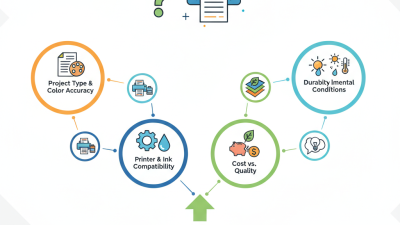
When selecting the right printing film, compatibility with your printer is crucial. Each printer has specific requirements. Understanding these can prevent frustrating printing issues. For example, some printers require specific temperatures or coatings. Research your printer's specifications to find matching films.
Consider the type of printing you do. Inkjet and laser printers use different films. If you’re unsure, try testing small samples. This approach can save you from future headaches. Always ask for samples if available. This helps you evaluate the film’s quality.
Tip: Look for films that offer a matte finish for a professional look. Glossy finishes can sometimes lead to unwanted glare. Gauge the film's texture as well; it can affect the image output significantly. Pay attention to the production process. Some films may be prone to smudging or fading, revealing their inconsistency. Testing various options can lead to surprising results or disappointing ones. Stay open to experimenting until you find the right fit.
Assessing the Durability and Quality of Printing Film Options
Assessing the durability and quality of printing film options is crucial for achieving optimal results. According to industry studies, the life expectancy of printing films can vary widely. High-quality films can last for years, while cheaper alternatives may degrade quickly, leading to potential print failures. This emphasizes the importance of thorough research.
When choosing printing films, consider their resistance to moisture and UV light. A reputable study found that films with enhanced UV protection can increase print longevity by up to 50%. Look for films with certifications from recognized quality assurance programs, as they often indicate rigorous testing standards.
Ensure you evaluate the texture of the films. Some textures may enhance print adhesion but can also create unwanted effects on finished products. Engage in small-scale tests before committing to larger orders. It is essential to recognize that even the best films may not perform equally under varied conditions. Therefore, understanding your specific printing needs and environmental factors is vital.
Considering the Cost-Effectiveness of Various Printing Film Brands
When it comes to selecting printing films, cost-effectiveness plays a pivotal role. Many brands offer varying qualities and price points. It’s essential to evaluate the budget you have while considering end-use requirements. Some brands may seem cheaper initially but could lead to higher expenses later due to poorer quality or durability.
Think about how each film’s performance aligns with your needs. Look for products that provide good image quality without breaking the bank. Some films might not adhere well to certain substrates, leading to wasted materials. Reviews and experiences shared by other users can provide insightful perspectives, enhancing your understanding.
Don’t forget to factor in the long-term benefits. Investing in a slightly more expensive film could save you costs due to fewer reprints. Sometimes, cost-effective solutions might require compromises in quality. Regular reflections on these aspects help refine your purchasing decisions.
Prioritize reliability, as it often translates to better results over time.
Identifying Key Performance Features in Printing Films
When selecting printing films, understanding key performance features is crucial. Different applications demand varied characteristics. Clarity is important for high-resolution images. A film with excellent transparency ensures vibrant colors and sharp details. Look for films that reduce distortion, providing a true representation of your designs.
Durability is another factor to consider. Films should withstand various environmental conditions. UV resistance prolongs lifespan, especially for outdoor prints. However, it is essential to assess the balance between flexibility and strength. Some films may crack under stress, while others might be too flimsy. Find a film that meets your specific demands.
Adhesion also plays a vital role. Good adhesion helps prevent peeling, ensuring longevity. It's worth testing different films on your substrates to determine compatibility. Sometimes, a film that looks ideal might not perform well. Always reflect on your experiences with each choice for future projects.
Top 5 Tips for Choosing the Best Printing Film