7 Tips for Choosing Food Grade Film for Global Sourcing
Global sourcing changes how Food Grade Film must be evaluated. A film that performs well in one market may fail during a humid sea voyage, long warehouse storage, or repeated temperature changes. The Food and Agriculture Organization reports that 13.2% of food is lost after harvest and before retail globally. That makes barrier performance more than a technical detail. It protects food, margins, and supply reliability.
UNEP’s Food Waste Index Report 2024 estimates that households, food services, and retailers wasted 1.05 billion tonnes of food in 2022. Packaging cannot solve every waste problem. It can, however, slow oxidation, control moisture, and protect delicate surfaces. Smithers’ flexible packaging market analysis also highlights continued demand for lightweight, high-performance films. The practical lesson is simple. Film selection needs evidence.
Walter Soroka, author of Fundamentals of Packaging Technology, describes packaging as “the science, art, and technology of enclosing and protecting products.” That principle applies directly to global film sourcing. Buyers should compare oxygen transmission, water-vapor transmission, seal strength, puncture resistance, and temperature limits. They should also verify food-contact documentation, batch traceability, and supplier testing. A clear pouch with a weak seal is still a failed package. A cheaper roll can become expensive after leakage, rejected shipments, or repacking. No single film wins every application. Even experienced teams can overlook printing inks, adhesive compatibility, or recycling claims. These seven practical tips provide a more disciplined path toward selecting Food Grade Film that performs from factory floor to consumer shelf.

Define Food-Grade Film Requirements for the Intended Application
Start with the food.
Define what the film will protect and how it will be used. Fresh meat may need strong oxygen and moisture barriers, while dry snacks often require aroma protection and puncture resistance. Frozen products demand flexibility at low temperatures. Hot-fill or retort applications need films that tolerate heat without shrinking unpredictably.
Describe the package structure, sealing method, filling speed, and expected shelf life. Film thickness alone does not prove performance. Ask for data on seal strength, barrier values, migration testing, and temperature limits. Details matter. Confirm that the documentation covers food-contact use in each target market. Requirements can differ between regions, so a supplier’s general statement is not enough. Request current declarations, test reports, batch traceability, and storage guidance. Test it.
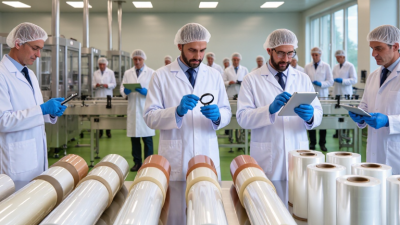
A practical trial should copy real conditions: the same product, filling temperature, sealing pressure, transport vibration, and storage period. Watch for pinholes, weak seals, clouding, odor transfer, or difficult opening. A film may perform well in a laboratory and fail on a fast production line. That uncomfortable gap deserves attention. Avoid choosing by price before defining the complete specification. A cheaper film can create waste, leakage, or repeated inspections. Still, no specification is perfect at the beginning. Review trial results with the converter, production team, and quality staff, then revise the document before global purchasing.
Verify Regulatory Compliance and Food-Contact Safety
When sourcing food-grade film globally, regulatory compliance must be verified before price or appearance. The World Health Organization estimates that 600 million people suffer foodborne illness annually, with 420,000 deaths. Poorly controlled food-contact materials can add avoidable risk. A certificate alone is not proof.
Tip 1: Request the film’s full Declaration of Compliance. Check the intended food type, temperature range, contact time, and migration limits. Confirm compliance with applicable rules, such as FDA food-contact requirements, EU Regulation 1935/2004, and GMP Regulation 2023/2006. Requirements differ by market. Do not assume one document covers every destination.
Tip 2: Ask for recent overall and specific migration test reports from an independent laboratory. The test sample should match the actual film structure, ink, adhesive, and processing conditions. Review the laboratory date, test method, and batch number. Supplier audits should also examine traceability, change control, and contamination prevention. Small details matter.
UNEP reports that global plastic production exceeds 430 million tonnes annually, while packaging represents about 36% of total use. This pressure encourages thinner films and recycled content, but food-contact safety still comes first. Recycled layers may require functional barriers and additional testing. I have seen specifications that looked complete but lacked adhesive information. That gap deserves attention. Keep retained samples, approval records, and lot-level documents for every shipment.
Compare Film Materials, Barrier Properties, and Performance
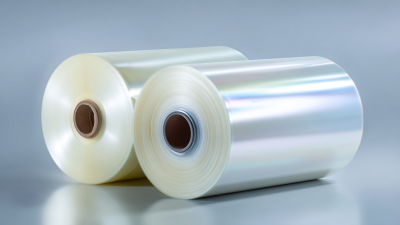
Choosing food grade film for global sourcing requires more than comparing prices and thickness. I usually begin with the material: polyethylene offers flexibility and moisture resistance, while polypropylene often provides stronger heat performance. Polyester can improve stiffness and clarity, but it may need a sealant layer. No film is perfect.
Barrier properties should match the food, package design, and shipping route. A high oxygen barrier helps protect roasted foods from flavor loss and oxidation. Moisture resistance matters for powders, crackers, and dehydrated products. Light protection can support quality in sensitive oils and dairy items. Ask suppliers for measured oxygen transmission, water vapor transmission, seal strength, and puncture data. Do not rely on general claims.
Performance testing should reflect real handling. Check sealing at production speed, cold storage, stacking pressure, and repeated transport vibration. I have seen a film pass laboratory tests yet wrinkle during automated packing. That gap deserves attention. Request food-contact declarations, migration test reports, batch records, and traceability procedures. Verify whether results apply to the exact structure, not merely a similar grade. Suppliers should explain tolerances clearly. Small differences matter. Global projects also need consistent documentation across factories and destination markets. An early pilot run can reveal problems that a polished specification sheet hides.
Evaluate Suppliers, Certifications, and Global Sourcing Risks
Choosing food grade film globally requires more than comparing price per roll. Start by checking supplier experience with your product, target market, and sealing equipment. Ask for recent specifications, batch records, allergen controls, and a traceability example. A serious supplier should explain resin sources, additives, thickness tolerance, and storage conditions clearly. Vague answers signal risk.
Certifications need careful review. Confirm the issuing body, certificate validity, audited site, and exact product scope. A factory certificate may not cover the film you plan to import. Request food-contact declarations and migration test reports matching the intended food, temperature, and contact time. Check whether testing covers printing inks, adhesives, and recycled content when applicable. Do not accept a logo as proof. Independent laboratory verification adds confidence, although it increases cost and lead time.
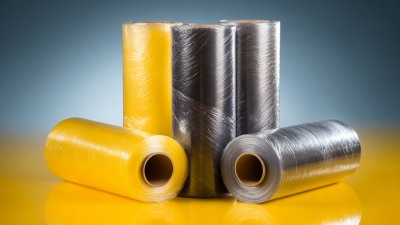
Global sourcing adds practical uncertainty. Long ocean routes can expose rolls to humidity, heat, compression, and damaged packaging. Define pallet protection, container loading, inspection points, and complaint response before placing an order. Use retained samples and compare incoming rolls for odor, haze, seal strength, and thickness. Payment terms, customs documents, language gaps, and changing regulations also deserve written controls. One uncomfortable lesson remains: a low quote can hide expensive delays. I would rather test a smaller shipment than trust perfect paperwork. That choice is not always cheaper. But it is easier to defend.
Assess Costs, Logistics, and Long-Term Supply Reliability
Food-grade film sourcing becomes expensive when a low unit price hides freight, testing, or delays. Compare total landed cost, not only the quoted price. Include film price, tooling, inspection, insurance, duties, storage, and inland delivery. Request a clear quotation with payment terms and minimum order quantities. Small orders may carry surprisingly high production costs.
Check the film’s intended food contact use, thickness tolerance, seal strength, and barrier performance. Ask for current test reports, declarations, and batch-level certificates. Verify whether documentation matches the actual film structure. A supplier audit can reveal weak hygiene controls or poor traceability. Request samples from regular production, not only polished development samples. Test them on your own filling and sealing equipment. Real production conditions often expose problems.
Review shipping routes, port risks, temperature exposure, and average transit time. Confirm packaging protects rolls from moisture, dust, and crushing. Agree on lead times, safety stock, and procedures for urgent replenishment. Do not depend on one factory without a practical backup plan. A second approved source may cost more, but it can protect continuity. Review payment records, complaint handling, capacity, and raw material availability. Our early forecast was wrong once, so we now compare seasonal demand before signing contracts. Long-term reliability requires quarterly performance reviews, not just a promising first shipment. Supplier promises need evidence.