Shrink And Wrap Tips for Effective Packaging Solutions?
In the rapidly evolving world of packaging, "Shrink And Wrap" solutions stand out for their versatility and effectiveness. According to a study by Smith Packaging Insights, over 75% of companies report increased efficiency through shrink wrapping. Expert Jamie Thompson, a leading authority in packaging technology, emphasizes, "The right shrink and wrap strategy can transform product presentation and protection."
Shrink and wrap methods not only enhance shelf appeal but also ensure product safety. Yet, many businesses struggle with implementation. A noted challenge is the choice of materials. Using subpar materials can lead to inefficiencies and increased costs. Companies must assess their needs carefully.
The adoption of innovation in the shrink and wrap sector is vital. Leaders in the industry continually seek ways to improve sustainability and reduce waste. This constant quest for improvement is crucial for maintaining competitive advantage. Reflecting on past strategies reveals gaps that can inform future decisions. Embracing these insights will pave the way for more effective packaging solutions.

Importance of Shrink and Wrap in Packaging Solutions
Shrink and wrap techniques play a crucial role in packaging solutions. They ensure products are securely sealed and protected during storage and transportation. Effective shrink wrapping helps maintain product integrity and reduces damage. The visual appeal of a well-wrapped package can also attract consumers.
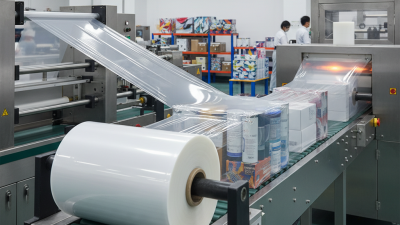
To enhance your shrink and wrap process, consider the following tips. Always choose the right material for your specific needs. Different products require different levels of durability. Conduct tests to find the optimal combination. Invest in quality machinery. A reliable shrink wrap machine can significantly improve efficiency.
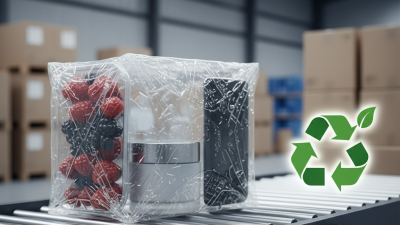
Don’t overlook the importance of proper heat settings. Too little heat will not shrink the film properly. Too much can damage the product inside. Also, be mindful of the environment. Excessive packaging can lead to waste. Aim for minimal yet effective solutions. Finding that balance can be challenging, but it’s essential for sustainability.
Shrink And Wrap Tips for Effective Packaging Solutions
| Packaging Type |
Material Used |
Applications |
Benefits |
Considerations |
| Shrink Wrap |
Polyolefin, PVC |
Food packaging, retail products |
Custom fit, protection from moisture |
Heating equipment required, not eco-friendly |
| Stretch Film |
LLDPE (Linear Low-Density Polyethylene) |
Pallet wrapping, securing large items |
Strong hold, reusable |
Requires proper technique, can tear |
| Cling Film |
PVC, LDPE |
Food wrap, storage |
Easy to use, protects against air |
May not be microwave safe |
| Heat Shrink Labels |
PET, PLA |
Product labeling, marketing |
Tamper-proof, attractive appearance |
Requires printing and application technology |
Types of Shrink Films Used in Packaging
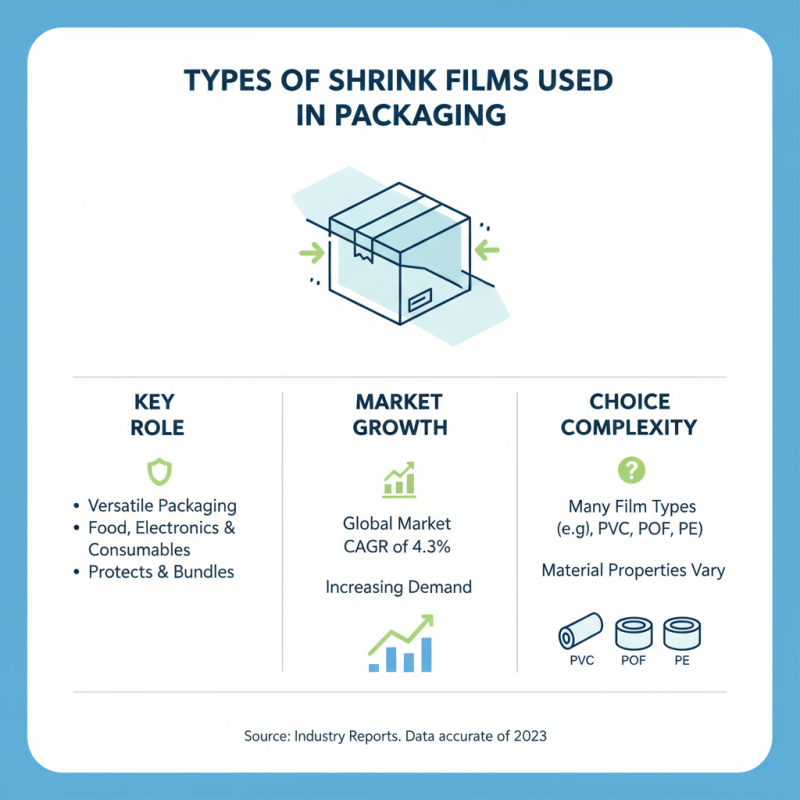
Shrink films play a crucial role in contemporary packaging solutions. Their versatility makes them suitable for various products, including food items, electronics, and other consumables. Recent industry reports indicate that the global shrink film market is projected to grow at a compound annual growth rate of 4.3%. This suggests an increasing demand, yet the choice of shrink films can be complex.
There are different types of shrink films used in packaging. Polyethylene (PE) is popular due to its strength and flexibility. It's ideal for bundling products together. Polyvinyl Chloride (PVC) is another common option, known for its clarity and gloss. However, some reports raise concerns about PVC's environmental impact. Biodegradable films are gaining traction as sustainable alternatives, but they often come with performance trade-offs.
Packaging managers must weigh these factors. Selecting the right shrink film requires understanding the product's needs and sustainability goals. There is a need for continuous assessment and adaptation. As consumers become more environmentally conscious, the pressure is on industries to innovate. Balancing performance and sustainability can be a difficult task.
Step-by-Step Process of Shrink Wrapping Products
Shrink wrapping is an effective packaging method that many industries rely on. This process often starts with selecting the right materials. Polyolefin and PVC films are popular choices. They provide excellent clarity and seal strength. According to a recent market report, the global shrink wrap market is expected to grow significantly, driven by increased demand for food and beverage packaging. This growth emphasizes the importance of mastering the shrink-wrapping technique.
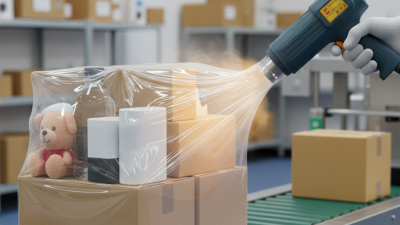
To begin shrink wrapping, first, gather necessary tools: shrink film, a heat gun, and a sealing machine. Stand your product upright for optimal wrapping. Cut the film to size, allowing extra room on the edges for sealing. Enclose the product entirely, ensuring no loose spots. Once wrapped, apply heat using the heat gun. Keep a steady hand to avoid overheating the film, which can lead to unwanted tears.
Ensure the workspace is clean and free of debris. Dust can interfere with the sealing process, resulting in a subpar product finish. Many packaging errors stem from a rushed process. This can impact the overall appearance and presentation. Poorly wrapped products often lead to customer dissatisfaction. Inadequate sealing techniques can also expose the contents to contamination. Therefore, paying attention to details while wrapping is critical to success.
Best Practices for Effective Wrap and Seal Techniques
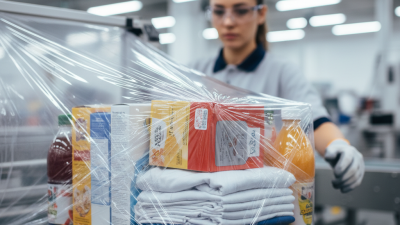
Selecting the right wrapping methods can enhance the protection of your products. Start with a clean surface. Dust and debris can compromise adhesion. Measure the shrink wrap carefully. It's better to underestimate than overestimate. Too much material can create air pockets. These pockets can lead to damaged goods during transport.
Consider using heat guns for sealing. The heat helps conform the wrap tightly around your product. Be cautious; overheating can cause tears. Test the heat level on scrap materials first. Wrapping speed also matters. A rushed job often leads to poor seals and unprotected items.
Pay attention to corners and edges. They are vulnerable points. Use extra material around these areas. Take notes on methods that worked and those that didn’t. Constant improvement is essential. Packaging techniques should evolve with your needs. Reflecting on past mistakes can lead to better practices.
Common Mistakes to Avoid in Shrink and Wrap Packaging
Shrink and wrap packaging can be efficient, but common mistakes can derail success. One prevalent issue is improper temperature settings. According to a recent report from the Packaging Association, 30% of products are compromised due to incorrect heating. This can lead to loose seals and exposure to contaminants. Always ensure that the temperature is calibrated for the materials you're using.
Another mistake involves poor choice of shrink film. A study by the International Institute of Packaging shows that 25% of packaging failures stem from unsuitable film selection. Choosing the right film thickness and type is crucial. It affects durability and presentation. Products should be protected but also visible to consumers.
Tips for effective shrink and wrap packaging include regularly checking equipment. Maintenance can prevent many issues. Invest time in training staff on packaging techniques. This can enhance consistency in processes. Additionally, always conduct a visual inspection of the final product to ensure quality. Small details can make a big impact.
Shrink and Wrap Tips for Effective Packaging Solutions