What is Shrink Wrap Roll Used For?
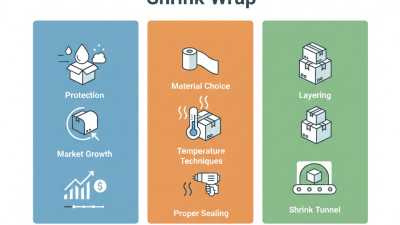
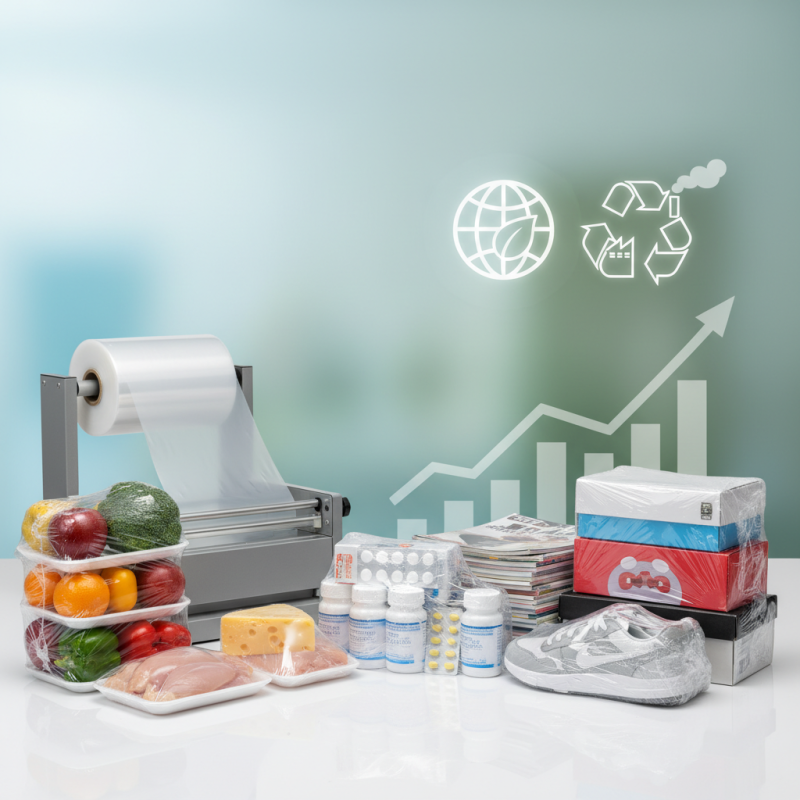
Shrink Wrap Roll is a versatile packaging solution with numerous applications across various industries. According to a recent market report by IBISWorld, the shrink wrapping industry is projected to grow significantly, driven by increased demand for efficient packaging and product protection. This material is commonly used in food service, pharmaceuticals, and retail sectors.
In food packaging, Shrink Wrap Roll provides an effective barrier against moisture and contaminants. This helps preserve product freshness and extends shelf life. The report notes that in 2022 alone, the food packaging segment accounted for over 40% of the total shrink wrap market. Additionally, the pharmaceutical industry relies on this material for secure and tamper-evident packaging.
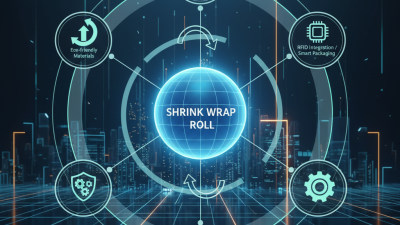
However, it’s essential to reflect on the environmental implications of using plastic shrink wrap. While it is beneficial for product protection, the disposal of plastic materials poses significant challenges. In light of growing environmental concerns, companies are exploring eco-friendly alternatives. Balancing effective packaging while minimizing environmental impact remains a critical challenge in the industry.
What is Shrink Wrap Roll?
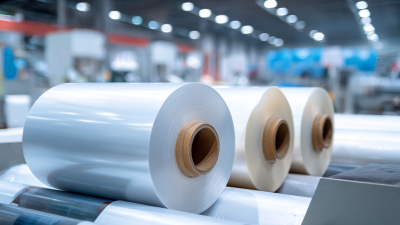
Shrink wrap roll is a versatile packaging material. It is made from thin, flexible plastic. When heat is applied, it shrinks tightly around objects. This creates a secure and protective seal. Many use it for both industrial and personal projects.
In retail, shrink wrap is often used to bundle multiple items together. Think of packages of beverages or snacks. It keeps things organized and ready for display. Families and hobbyists also find shrink wrap useful. They use it to protect and store seasonal items. The process can seem simple, but it requires attention. Getting the heat right is key to avoid damaging contents.
However, not all applications go smoothly. Some users may apply too much heat, causing tears. Others might not wrap tightly enough, compromising protection. It's important to practice and refine skills. Observing where mistakes occur can lead to better results. Embracing imperfections in this wrapping process can ultimately lead to mastery.
Common Applications of Shrink Wrap Roll in Packaging
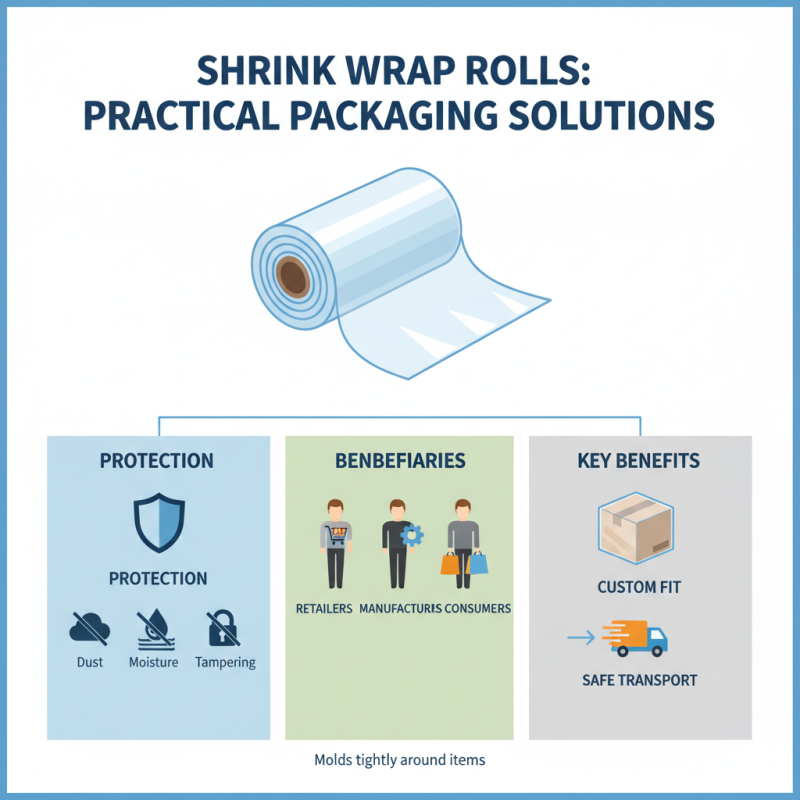
Shrink wrap roll serves various practical purposes in packaging. It is widely used to protect products from dust, moisture, and tampering. This type of packaging is beneficial for retailers, manufacturers, and consumers alike. Shrink wrap can mold tightly around items, providing a custom fit that keeps them safe during transport.
Common applications include wrapping food products, electronics, and household goods. For instance, pallets of bottles can be stabilized with shrink wrap. When applied, the material shrinks, ensuring that items don’t shift or move during shipping. This reduces damages, but sometimes the wrapping can appear uneven or poorly sealed. Yet, it remains an effective option.
Another popular use is in bundling products. Multiple items can be secured together, improving display and reducing clutter. However, if the wrap isn’t applied evenly, it may hinder the product's appeal. This calls for a thoughtful approach in application techniques. Balancing efficiency and aesthetics is key. Overall, shrink wrap offers versatility but requires attention to detail.
Benefits of Using Shrink Wrap Roll for Product Protection
Shrink wrap rolls are essential for protecting products during storage and transport. They provide a tight, secure fit that keeps items safe from dust, moisture, and damage. Businesses often use them for packaging various goods. The transparency of shrink wrap also allows for easy visibility, so customers can see what they are buying.
Using shrink wrap has several benefits. It enhances the durability of packaged items, reducing the chance of spoilage. It also helps to keep products organized. This is particularly useful in warehouses where space is limited. However, improper application can lead to tears and leaks. This raises concerns about waste and reliability. People might need to practice their wrapping techniques and observe the conditions closely.
Another benefit is the cost-effectiveness of shrink wrap rolls. They are typically less expensive than other packaging methods. Yet, many users often fail to consider the environmental impact. While shrink wrap can reduce damage, it also contributes to plastic waste. This contradiction calls for reflection on packaging choices. Balancing protection and sustainability is crucial.
Different Types of Shrink Wrap Rolls Available
Shrink wrap rolls are essential in various industries for packaging and securing products. Choosing the right type of shrink wrap can enhance protection and presentation. There are several types of shrink wrap rolls available, each with unique characteristics.
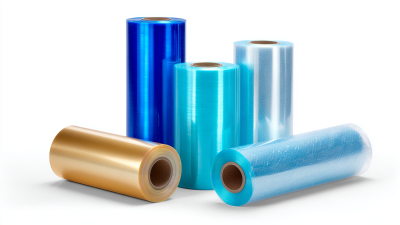
Polyolefin shrink wrap is popular for its clarity and strength. It’s ideal for food packaging and other consumer goods. Another option is PVC shrink wrap, widely used for bundling and palletizing. This type is cost-effective but offers less clarity. A less common option is centerfold shrink wrap. It provides convenience with its dual-sided design, making it easy to wrap products of different sizes.
Tip: When selecting a shrink wrap roll, consider the product's size and weight. This will help in choosing the right thickness. Films range from 50 to 100 microns. Thicker films offer better durability, but may be overkill for lighter items.
Evaluating your needs is crucial. Not all products require the same type of shrink wrap. Testing a few options may uncover practical solutions. Pay attention to potential sealing issues, as improper sealing can lead to product damage.
How to Properly Use Shrink Wrap Rolls for Best Results
Shrink wrap rolls are essential in packaging. They provide protection against dust, moisture, and tampering. Using them correctly maximizes efficiency. Many studies show that proper wrapping can reduce damage during shipping by up to 30%. This statistic is crucial for businesses aiming to lower costs.
To achieve the best results, start by ensuring the surface is clean. Any dust or grease can cause the wrap to stick poorly. It's important to use the right thickness of shrink wrap. Thinner rolls may be less durable, while thicker ones can be harder to manipulate. A guide recommends using a minimum gauge of 60 for large items.
Heat is a key factor in shrink wrapping. Applying consistent heat ensures tightness without burns. An uneven application might lead to loose areas. Loose wraps allow air and contaminants to enter. This defeats the purpose of using shrink wrap in the first place. Properly learn the heat settings for different materials. Each type may require a different approach.