What is Shrink Packaging Roll Benefits and Uses?
Shrink Packaging Roll has become essential in various industries. According to renowned packaging expert Michael Sanchez, "Shrink Packaging Roll offers versatile solutions for product protection." His insights highlight the transformative role of shrink packaging in logistics and retail.
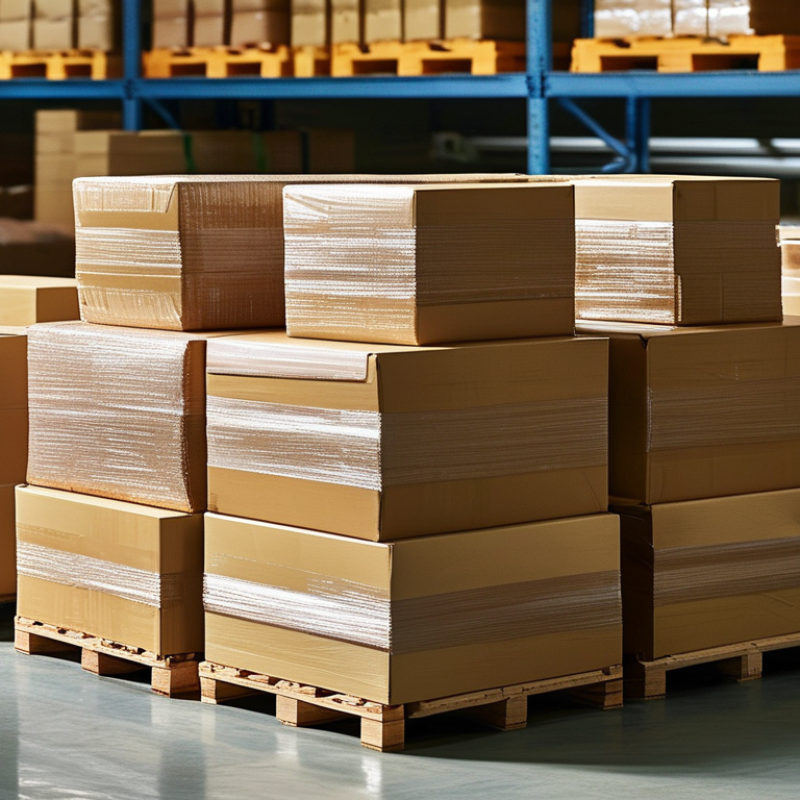
This packaging method tightly wraps products, enhancing protection and display. Industries ranging from food to electronics utilize shrink packaging for its efficiency. Companies appreciate how it minimizes space during storage and transportation.
Yet, challenges persist. Some businesses struggle with the precise application of shrink wrap. Incorrect usage can lead to product damage or compromised appearance. Addressing these issues is crucial for maximizing the benefits of Shrink Packaging Roll. Continuous improvement and training can help ensure optimal results.
What is Shrink Packaging Roll?
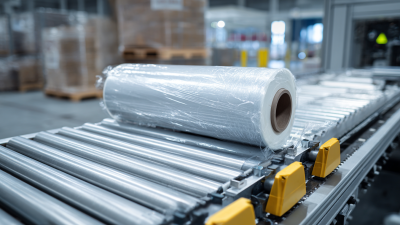
Shrink packaging roll is an essential tool in modern packaging solutions. This versatile material consists of thin plastic sheets that are applied to products and then heated to shrink tightly around them. This process provides a secure, protective barrier. According to the Freedonia Group, the shrink film market is projected to reach $9.5 billion by 2024, indicating significant demand across various industries.
One major benefit of shrink packaging rolls is their ability to improve product visibility. Clear shrink film allows customers to see the product without unwrapping it. This transparency can enhance the shopping experience. Additionally, shrink packaging offers excellent tamper resistance. A sealed package signals that a product is new and untouched, which can build consumer trust. However, challenges remain. The environmental impact of plastic waste from shrink packaging needs consideration. Recycling options and biodegradable materials can help address this concern.
The applications of shrink packaging are broad. Industries such as food and beverage, pharmaceuticals, and retail heavily utilize it. In a survey by Smithers Pira, over 60% of packaging professionals reported using shrink film for product display. This trend reflects a shift toward more efficient packaging solutions. While shrink packaging rolls provide many benefits, businesses may need to explore sustainable practices to reduce their ecological footprint.
Key Benefits of Using Shrink Packaging Rolls
Shrink packaging rolls provide versatile solutions for various industries. The global shrink packaging market was valued at approximately $18.1 billion in 2020 and is projected to grow significantly. This rapid growth highlights the increasing demand for effective packaging solutions that ensure product safety and extend shelf life.
One key benefit of shrink packaging rolls is their ability to conform tightly around products. This snug fit prevents shifting during transportation. In fact, reports show that using shrink packaging can reduce product damage by up to 30%. It also enhances the presentation, making products visually appealing on store shelves. Versatility is another advantage; shrink packaging can be customized for different shapes and sizes, accommodating various product types.
Moreover, shrink packaging is an environmentally friendly option. Many materials used in this packaging are recyclable or biodegradable. This aligns with the growing consumer preference for sustainable practices. However, some businesses face challenges in adapting to new packaging technologies. Without proper training, employees may misuse the equipment, leading to inefficiencies. Highlighting these points allows companies to reflect on their packaging choices while embracing the benefits shrink packaging rolls offer.
Benefits of Using Shrink Packaging Rolls
Common Industries Utilizing Shrink Packaging
Shrink packaging rolls offer a versatile solution adopted across various industries. They provide excellent protection for products, enhancing shelf life while maintaining visibility. This is particularly important in the food and beverage sector. Shrink wraps ensure that items are sealed against moisture, contaminants, and physical damage. This not only preserves quality but also reduces waste, making it a sustainable choice for manufacturers.
In the retail industry, shrink packaging plays a crucial role. It creates attractive displays while holding items together. For example, multi-pack products are neatly bundled, attracting customers. Additionally, electronics and pharmaceuticals often use shrink wraps for security. This becomes valuable in preventing tampering and ensuring product integrity. However, some businesses might still overlook the potential of shrink packaging, focusing more on traditional methods.
While the benefits are clear, challenges exist. Companies must consider the type of materials used. Not all shrink films are eco-friendly, leading to concerns about sustainability. Additionally, businesses often struggle with finding the right machinery for their specific needs. The transition to using shrink packaging requires careful planning and investment. Avoiding these pitfalls can lead to better efficiency and product protection.
Steps for Properly Applying Shrink Packaging
Shrink packaging is an efficient method of securing and protecting products. Proper application is crucial for achieving the desired results. Here are some steps to ensure effective shrink packaging.
Start by choosing the right shrink film. Select a material that meets the specific needs of your product. Consider factors like shrink temperature, film thickness, and clarity. Washing the items before packaging can ensure there are no residues that affect adhesion.
Next, cut the film to size. The film should wrap around the item snugly but not too tightly. Overstretching can lead to tears or distortions. Seal the edges well. A heated sealer works best for creating a secure bond.
Once sealed, use a heat source to shrink the film. An industrial shrink tunnel is ideal for larger volumes. For small batches, a heat gun can suffice. Always monitor the temperature closely to avoid burning or melting the film.
Tip: Maintain a clean workspace. Dust and debris can interfere with the sealing process. Also, test different shrink times and temperatures to find the optimal settings for your materials.
Double-check the finished product. Inspect for loose areas or weak seals. A well-sealed package protects against moisture and dust. According to industry reports, proper shrink packaging can reduce product damage by up to 30%.
Tip: Document your process each time. It allows for continuous improvement and can help identify issues quickly.
Sustainable Options in Shrink Packaging Rolls
Sustainable options in shrink packaging rolls are becoming increasingly popular. Many brands seek eco-friendly materials that minimize environmental impact. These sustainable rolls often utilize biodegradable and recyclable materials, reducing waste. By choosing materials that break down naturally, businesses contribute to the health of our planet.
Using sustainable shrink packaging also enhances brand reputation. Consumers today are more conscious of environmental issues. They prefer brands that align with their values. When a company opts for eco-friendly packaging, it shows commitment to sustainability. This can lead to increased customer loyalty and trust.
However, it’s essential to consider the lifecycle of these products. While some materials boast sustainability, their production processes may still pose challenges. Not all 'green' claims are equal. Businesses should rigorously evaluate their packaging choices. Transparency in sourcing and production can reinforce their commitment to sustainability. It’s not just about looking good; it’s about making a real difference.