What is Shrink Packaging Roll and How is it Used?
Shrink Packaging Roll is widely used in various industries for its effectiveness in protecting products. This packaging method provides a tight seal around items, ensuring they remain intact during shipping and storage. Businesses utilize Shrink Packaging Roll for its durability and versatility. It can accommodate different shapes and sizes.
The process involves wrapping an item with the film and applying heat. This causes the film to shrink tightly around the product. The result is a secure package that prevents damage from dust and moisture. Moreover, Shrink Packaging Roll enhances the visual appeal of products, making them attractive on shelves.
Despite its benefits, there are considerations to keep in mind. Not all products are suitable for this packaging method. For example, sharp edges can puncture the film. Additionally, using the wrong type of heat source can damage the product. Thus, it's essential to evaluate if Shrink Packaging Roll is the right choice for your needs.
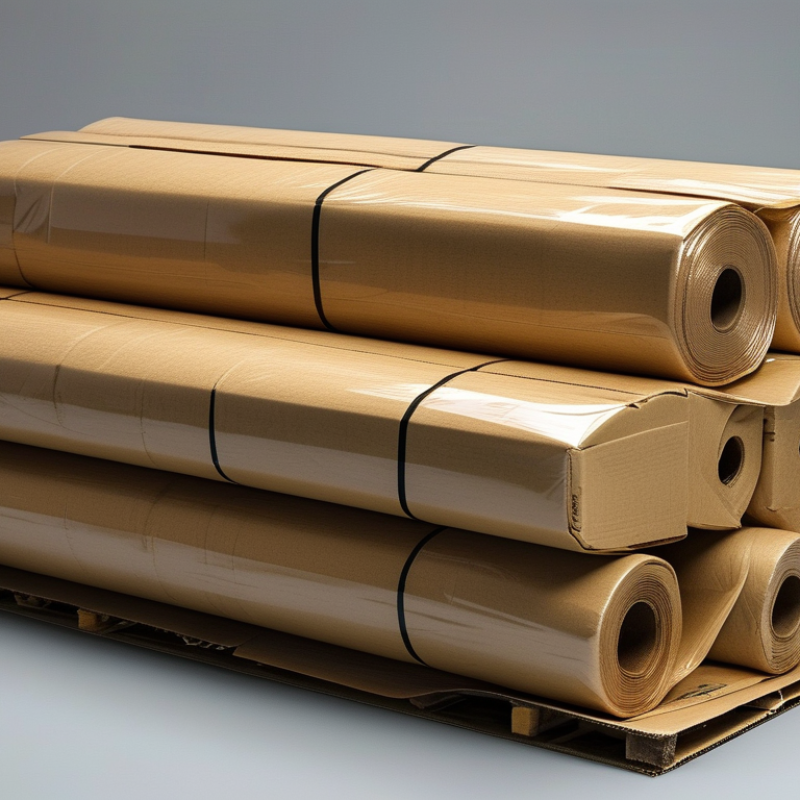
What is Shrink Packaging Roll?
Shrink packaging roll is a versatile material used predominantly in packaging industries. It consists of a plastic film that shrinks tightly around items when heated. This process provides a secure and protective layer for various products. The global shrink film market valued at approximately $4.5 billion in 2022 is anticipated to grow significantly in the coming years. The demand arises from the need for efficient shipping solutions and product protection.
Shrink packaging roll finds applications in multiple sectors, including food and beverage, pharmaceuticals, and cosmetics. For instance, a practical example is wrapping a group of bottles for transport. The tightly sealed packaging not only prevents contamination but also offers tamper-evidence, enhancing consumer trust. According to a recent industry report, around 42% of packaging professionals cite protection during shipping as a primary reason for using shrink packaging.
Despite its benefits, there are challenges with shrink packaging. Selecting the right film thickness can be tricky. Too thin may not provide adequate protection, while too thick can lead to increased material costs. Moreover, improper heat application can result in uneven shrinkage, impacting aesthetics. These issues highlight the importance of expertise in selecting and using shrink packaging rolls effectively.
Types of Shrink Packaging Rolls Available
Shrink packaging rolls are essential in various industries. These rolls come in different types to meet diverse packaging needs. Each type has unique characteristics and applications. Understanding these differences is crucial for effective packaging solutions.
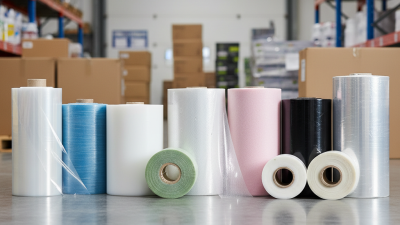
One common type of shrink packaging roll is PVC. It is popular for its clarity and strength. PVC shrink wrap tightly conforms to the shape of the product. It also provides a high level of protection against moisture and dust. Another common option is polyethylene shrink film. This type is known for its flexibility and resilience. It is ideal for bundling multiple items together.
Polyolefin shrink film is another option gaining popularity. It offers a good balance of cost and performance. This type is softer, making it easier to handle. However, it might not be as strong as PVC. In some cases, users find that transitioning between film types can lead to issues. Adapting to these differences requires testing and adjustment. Understanding how each type works helps ensure optimal results in packaging.
Shrink Packaging Roll Usage Statistics
How Does Shrink Packaging Work?
Shrink packaging is a widely used method in various industries. It involves wrapping products in a plastic film that shrinks tightly when heat is applied. This process helps secure items, providing protection and stability during storage and transportation.
The science behind shrink packaging is quite fascinating. When heat is applied, the polymer chains in the shrink film contract. A report from the Freedonia Group indicates that the demand for shrink packaging is projected to grow by over 4% annually, reaching nearly $5 billion by 2026. The ability to create tamper-evident packaging is essential for consumer safety. It also serves as a cost-effective way to bundle products, minimizing wasted space.
However, shrink packaging has its challenges. The temperature control during the shrinking process can be tricky. If overheated, the film may tear or become unusable. Additionally, using the correct type of shrink film is vital to meet specific product requirements. Achieving optimal results requires knowledge and experience, reinforcing the need for skilled personnel in packaging operations.
Common Applications of Shrink Packaging Rolls
Shrink packaging rolls are versatile tools in various industries. These rolls are made from heat-sensitive plastic that shrinks tightly around products when heated. This creates a secure seal, protecting the items from dust, moisture, and damage.
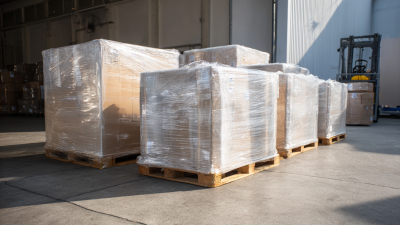
In retail, shrink packaging rolls are commonly used for colorful product displays. They create an attractive presentation while securing multiple items together. This allows for easy handling and transportation of products like bottled beverages or snack packs. In the industrial sector, shrink wraps protect heavy machinery and equipment during shipping. The durable nature of shrink packaging ensures the items remain safe from external elements.
Beyond retail and industry, shrink packaging is also used in food packaging. It keeps perishable items fresh for longer periods. However, choosing the right type of shrink wrap for specific products can be challenging. It’s important to consider compatibility with various foods. As packaging technology evolves, businesses must stay updated on best practices. This ongoing learning is essential for improving efficiency and sustainability in packaging solutions.
What is Shrink Packaging Roll and How is it Used? - Common Applications of Shrink Packaging Rolls
| Application |
Description |
Industry |
Benefits |
| Food Packaging |
Used to protect perishable items like meats and cheeses. |
Food Industry |
Extends shelf life and enhances presentation. |
| Electronics Packaging |
Protects electronic components from dust and damage. |
Electronics Industry |
Provides anti-static protection and prevents moisture ingress. |
| Retail Packaging |
Shrink packaging for bundled products, making them shelf-ready. |
Retail Industry |
Attractive display and minimizes robbery. |
| Pharmaceuticals Packaging |
Used for packaging bottles and blister packs. |
Pharmaceutical Industry |
Ensures sterility and tamper evidence. |
| Textile Packaging |
Bundling of clothing and textile products for shipping. |
Textile Industry |
Keeps items organized and clean during transport. |
Benefits of Using Shrink Packaging Rolls in Industry
Shrink packaging rolls serve various industries, offering distinct advantages.
One significant benefit is improved product protection.
According to a report by Smithers Pira, the global packaging market is expected to reach $500 billion by 2024,
with shrink films playing a crucial role in this growth. These films provide a tight seal, safeguarding products from dust, moisture, and tampering.
This level of protection can reduce product damage during shipping by up to 30%.
Moreover, shrink packaging is highly adaptable.
Companies can customize the rolls for various products, from beverages to electronics.
This versatility not only enhances brand visibility but also minimizes waste,
leading to cost savings. A study by Freedonia Group indicates that the use of sustainable shrink films
could grow by 12% annually as businesses increasingly focus on eco-friendly practices.
However, while shrink films contribute to sustainability, the logistics of proper disposal often require attention.
Companies should develop strategies for recycling to mitigate environmental impact.