What is Shrink Film and How is it Used in Packaging?
Shrink film is a versatile packaging material widely used in various industries. This film is made from plastic polymers that shrink when heated. When applied correctly, shrink film conforms tightly to products. This snug fit ensures protection during transport and storage. Companies often rely on shrink film for its durability and flexibility.
Using shrink film has its challenges. Selecting the right type of shrink film is crucial for effective packaging. Various factors, such as product size and shape, influence this decision. Additionally, the heat application process requires precision. Improper heating can lead to packaging defects, affecting product integrity.
Despite these challenges, shrink film remains popular. Its effectiveness in preserving products makes it a staple in the packaging industry. Businesses must weigh the pros and cons of shrink film to ensure reliable packaging solutions. Understanding its applications helps companies maximize benefits while minimizing risks.
What is Shrink Film?
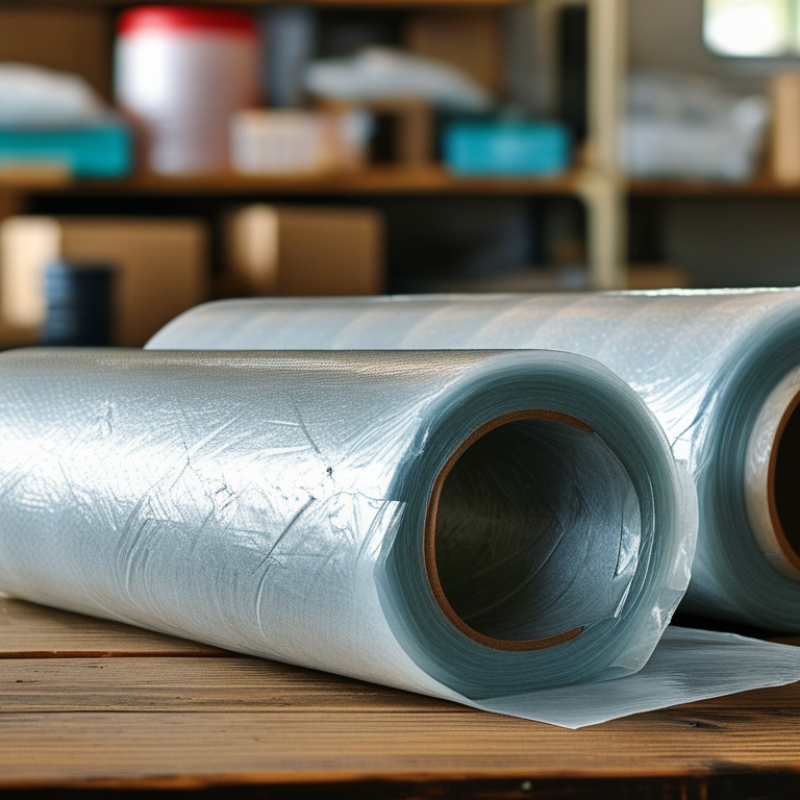
Shrink film is a versatile plastic product used in packaging. Often made from polyethylene or polyvinyl chloride, this material shrinks tightly around an item when heat is applied. This snug fit provides protection, preserves freshness, and enhances the overall appearance of products. Shrink film is popular in various industries, including food, beverage, and consumer goods, for wrapping, bundling, and palletizing.
Using shrink film correctly can improve packaging efficiency. Ensure the items are clean and dry before wrapping. This prevents moisture accumulation, which can compromise the integrity of the package. The thickness of the film also matters. Thinner films can provide a tight seal while being cost-effective, but they might not offer the same level of protection as thicker options. Experimenting with different types can help find the right balance for specific needs.
Shrink film is not flawless. Applying too much heat can cause distortion, while too little may lead to inadequate sealing. It's essential to monitor the heating process closely. Additionally, consider environmental impact. Some shrink films are recyclable, while others are not. Look for alternatives that minimize waste while maintaining functionality. Finding the right characteristics can be a challenge, but the benefits often outweigh the pitfalls.
Types of Shrink Film Used in Packaging
Shrink film is widely utilized in the packaging industry due to its versatility and effectiveness. Various types of shrink films cater to different packaging needs. Polyethylene (PE) and polyvinyl chloride (PVC) are two of the most common types. PE shrink film is known for its excellent clarity and resistance to moisture. It often suits food packaging, ensuring product visibility while providing protection. According to a report by Transparency Market Research, the global shrink film market was valued at approximately $4.4 billion in 2022 and is projected to grow significantly.
Polyolefin shrink film is another popular choice. It offers superior strength and is often used for packaging products that require durability. This type of film is more expensive than PVC but provides better performance. The increasing demand for sustainable packaging solutions has led to more widespread use of eco-friendly shrink films. Many manufacturers are exploring biodegradable options to meet consumer expectations for environmentally responsible products.
One challenge with shrink films is their environmental impact. The production of conventional films often relies on fossil fuels, raising concerns about sustainability. As the market evolves, companies must balance performance with eco-friendliness. Developing materials that maintain strength while reducing environmental impact remains a priority. Continued innovation in the shrink film industry is crucial for addressing these issues.
How Shrink Film Works: The Shrinkage Process
Shrink film is a heat-sensitive plastic material that shrinks tightly around products when exposed to heat. This process provides a secure fit and protects items during shipping and storage. The versatility of shrink film makes it ideal for various applications, from food packaging to retail items. Understanding how the shrinkage process works is key to maximizing its benefits.
When heat is applied to shrink film, it undergoes a molecular change. Initially, the film is in a relaxed state. Heat activates the molecules, causing them to move closer together. As a result, the film contracts, creating a snug fit around the product. This is why the right temperature is crucial. Too much heat can damage the product, while too little may not shrink the film effectively.
Many variables affect the shrinkage process. Film thickness, heat source, and duration of exposure all play a role in the outcome. It's important to experiment to find the optimal settings for different products. This trial and error can lead to better results but also requires patience and careful observation. The goal is to balance effectiveness with reliability, ensuring products are well-protected without wasting materials.
Common Applications of Shrink Film in Packaging
Shrink film is a versatile material widely used in packaging across various industries. It tightly wraps products, providing a secure and protective layer. This film is often made from polyethylene or PVC, shrinking when heat is applied. The result is a snug fit that prevents damage during transportation.
One common application is in the food industry. Shrink film keeps food fresh for longer by providing a barrier against moisture. It also ensures that products like meat or cheese remain visible to consumers, enhancing their appeal. Additionally, shrink film is used for bundling items together, such as cans or bottles, making them easier to handle and transport.
In the retail sector, shrink film plays a crucial role in packaging consumer goods. It protects products from dust and tampering while showcasing them on shelves. However, not all shrink films are created equal, and some may not adhere well to certain surfaces. It’s important to consider the specific needs of the product and packaging environment. Careful selection of shrink film can significantly impact both the appearance and functionality of the package.
Advantages and Disadvantages of Using Shrink Film
Shrink film is widely used in packaging due to its unique properties. It can tightly conform to products, providing a secure and protective layer. However, there are both advantages and disadvantages to consider when using shrink film.
One primary advantage is its versatility. Shrink film can be used for various shapes and sizes. It protects products from dust, moisture, and damage during transport. This protective quality is essential for maintaining product integrity. On the downside, shrink film is not biodegradable, which raises environmental concerns. The disposal of plastic waste becomes a significant issue. Additionally, not every product is suitable for shrink wrapping, especially fragile items.
Tips for using shrink film effectively include ensuring the heat source is appropriate. Too much heat can cause damage to the product inside. To avoid over-wrapping, test the film on samples first. Choosing the right thickness is important. Thicker films provide better protection but may be harder to shrink properly. Regular training on proper wrapping techniques can help reduce errors and waste.
Understanding these aspects is crucial for making informed packaging choices. Evaluating the trade-offs allows for better decisions. With careful consideration, shrink film can enhance product presentation while balancing sustainability concerns.
What is Shrink Film and How is it Used in Packaging? - Advantages and Disadvantages of Using Shrink Film
| Parameter |
Details |
| Material Types |
PVC, Polyolefin, PE, and PET |
| Applications |
Food packaging, product bundles, retail products, etc. |
| Advantages |
Tight seal, product protection, tamper evidence, and versatile design. |
| Disadvantages |
Environmental concerns, limited recyclability, and potential odor from materials. |
| Shrink Temperature |
Typically between 250°F and 450°F (121°C to 232°C) |
| Popular Shrink Film Brands |
Various industry brands are available on the market |
| Market Growth |
Projected to grow due to rise in e-commerce and retail segment. |
| Sustainability Efforts |
Increase in biodegradable and recyclable options being developed. |