Shrink And Wrap Tips for Efficient Packaging Solutions?
In today's competitive market, businesses seek efficient solutions for packaging. "Shrink And Wrap" techniques have gained popularity for their versatility and effectiveness. According to a recent report by Smithers Pira, the global shrink wrap market is expected to reach $16 billion by 2025. This growth highlights its pivotal role in packaging across various industries such as food, cosmetics, and pharmaceuticals.
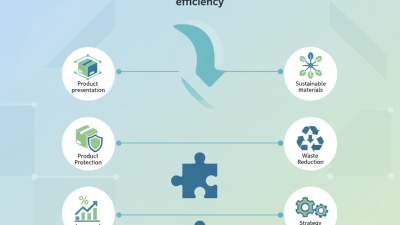
Utilizing shrink wrapping not only offers protection but also enhances product presentation. An effective shrink and wrap process reduces waste and lowers shipping costs. Industry data from Freedonia Group indicates that companies can cut packaging costs by up to 18% when implementing advanced shrink wrap technologies. However, businesses must also consider the environmental impact and seek sustainable materials to fulfill consumers' green expectations.
As companies embrace shrink and wrap solutions, challenges persist. Achieving a balance between cost efficiency and product integrity remains crucial. Over-reliance on thin materials can lead to damaged goods, ultimately harming brand reputation. Companies should constantly assess their practices to ensure they align with evolving market standards and customer preferences.

Understanding Shrink Wrap Technology in Packaging
Shrink wrap technology has revolutionized the packaging industry, offering versatile solutions for a variety of products. The global shrink wrap market is projected to reach USD 12.5 billion by 2027, growing at a CAGR of 4.5% from 2020. This growth reflects the increasing demand for efficient, protective packaging across sectors such as food, pharmaceuticals, and consumer goods.
One significant advantage of shrink wrap is its ability to conform closely around products, minimizing wasted space during transportation. A 2021 report by Smithers forecasts that high-density polyethylene (HDPE) and polyolefin will dominate the market due to their durability and cost-effectiveness. However, users must acknowledge that not all shrink wrap materials are equally sustainable. While many are recyclable, the reliance on plastics raises environmental concerns that need addressing.
Moreover, while shrink wrapping enhances product visibility, it can also pose challenges. Poor application or insufficient heat sealing can lead to packaging failures. This emphasizes the importance of training for operators and regular maintenance of equipment. Companies should evaluate their shrink wrap processes to identify areas for improvement, ensuring both efficiency and reliability. Proper alignment of shrink wrap techniques with environmental goals is crucial for long-term success.
Benefits of Using Shrink Wrap for Product Protection
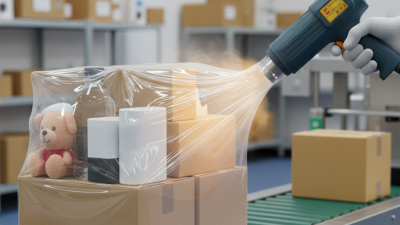
Shrink wrap offers significant benefits for product protection in various industries. It creates a tight seal around products, safeguarding them from dust, moisture, and damage during transport. This form of packaging is versatile and can adapt to different shapes and sizes. Whether you're packaging equipment or consumer goods, shrink wrap provides a customized fit for maximum security.
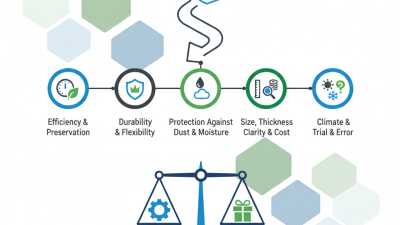
One major advantage of shrink wrap is its durability. It withstands harsh conditions and prevents tampering. However, it's essential to choose the right thickness and material based on your product's needs. While thicker wraps might offer more protection, they can also be bulkier and harder to work with. Finding the balance is crucial. Moreover, improper application could lead to air pockets, leading to product damage.
Cost-effectiveness is another factor to consider. Shrink wrap reduces packaging waste and lowers shipping costs. However, businesses should be cautious not to compromise on quality. Utilizing inferior shrink wrap might save money initially, but it can result in higher costs due to product returns or damage claims. Always prioritize reliable materials for optimal protection. Each packaging decision reflects the commitment to product integrity.
Step-by-Step Process for Efficient Shrink Wrapping
Efficient shrink wrapping is essential for protecting products during shipping and storage. The process begins with selecting the right shrink film. It should match the product's size and shape. A good fit ensures better protection and an appealing presentation.
Before wrapping, organize your workspace. Clear the area of any distractions. Make sure the shrink wrap machine is set to the correct temperature. This step is often overlooked, yet it can significantly affect the final outcome. Applying even heat is crucial for proper shrinkage.
Here are a few tips to enhance your shrink wrapping process. Always preheat the machine before use. This technique saves time and improves sealing quality. Keep the products within a consistent temperature range during wrapping. Efforts to ensure uniformity lead to better packaging results. Finally, consider practicing on sample items before dealing with actual products. This practice allows for adjustments and reduces waste.
Shrink Wrap Efficiency: A Bar Chart Analysis
Choosing the Right Materials for Shrink Wrapping
When it comes to shrink wrapping, selecting the right materials is crucial for achieving efficient packaging solutions. The global shrink film market was valued at approximately $5.8 billion in 2020, with projections indicating significant growth. This highlights the importance of using materials that not only protect products but also enhance sustainability.
Polyolefin films are popular due to their clarity and strength. Reports indicate that they provide effective protection against moisture and dust. Additionally, they are lightweight, which can reduce shipping costs. However, some secondary considerations arise. These films may not be as eco-friendly as alternatives like biodegradable films. Research shows that around 60% of consumers prefer sustainable packaging, pushing businesses to reconsider their choices.
PVC films are another option, known for their versatility and ease of use. While they are cheaper, they may pose environmental concerns due to their disposal challenges. It's essential to weigh the benefits against these drawbacks. Companies must reflect on their commitment to sustainability as they choose materials. Striking a balance between cost-effectiveness and ecological responsibility can lead to better outcomes in both packaging quality and consumer perception.
Common Mistakes to Avoid in Shrink Wrapping Process
Shrink wrapping can be tricky. Many people overlook crucial details that lead to mistakes. One common error is not preparing the surface properly. Any dirt or residue can prevent the film from adhering well, resulting in weak seals. Always clean the items thoroughly before wrapping them.
Another frequent issue arises from incorrect temperature settings. If the heat is too high, you risk damaging the product. If it's too low, the film won't shrink properly. Regularly calibrate your heating equipment to avoid these pitfalls. Test different temperatures with sample items before committing to a full batch.
Time management also plays a critical role. Rushing through the shrink wrapping process can lead to improper seals and wasted materials. Take your time to ensure that each package is tightly secured. It might take a bit longer, but the results will be worth it. Recognizing and learning from these mistakes can improve your packaging efficiency considerably.