Leave Your Message

What Is Shrink and Wrap Packaging?

Shrink and Wrap packaging uses heat-sensitive plastic film to secure, protect, or present products. Shrink film tightens around an item when heated. Stretch wrap clings to a load as it is pulled around it. The terms are often grouped together, but the materials and processes differ. That distinction matters on a busy packing line.

Packaging consultant John Henry has described the practical goal this way: “The film should protect the product without making packing slower or harder.” This is a concise way to frame the decision, though it is not a substitute for checking film specifications or testing a real load. A clear film sleeve around a retail box behaves differently from several layers of stretch film around a pallet. Heat tunnels, hand tools, film thickness, and package shape all affect the result.

This guide introduces common Shrink And Wrap methods, materials, equipment, and uses. It also considers how to choose packaging for product protection, handling, and presentation. A tight finish can look reassuring. It does not automatically mean a package is safer or more efficient. Poorly matched film may wrinkle, split, or waste material. That part is easy to overlook. Actual performance depends on the product, the packing environment, and careful trials. Readers should compare supplier data with hands-on testing, rather than relying on appearance alone.
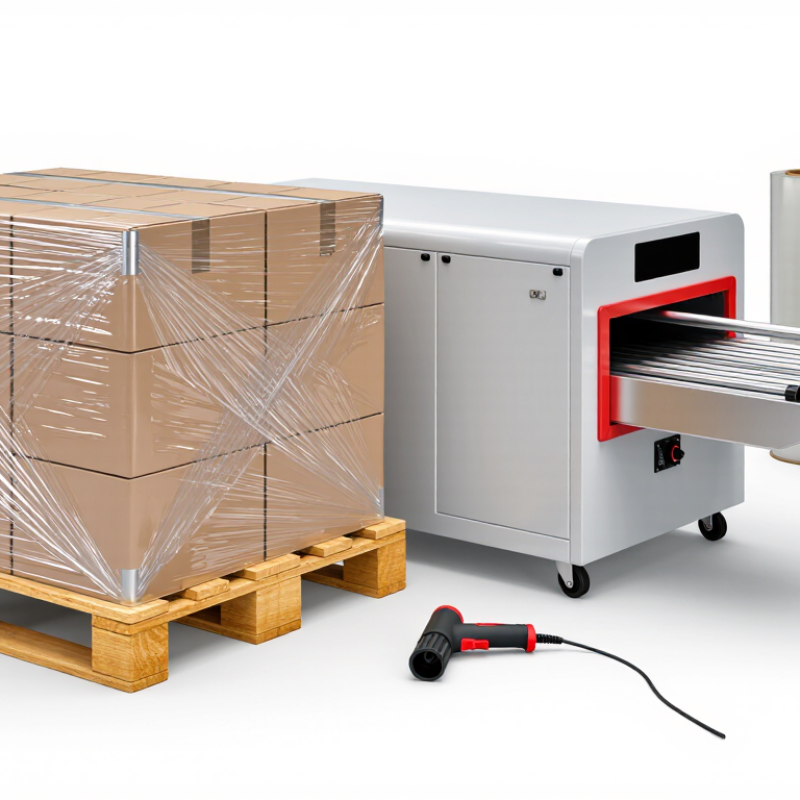
What Is Shrink and Wrap Packaging?

Definition and Scope of Shrink and Wrap Packaging

Shrink and wrap packaging describes a group of flexible packaging methods that protect, combine, or stabilize products with plastic film. Shrink packaging uses heat to contract film tightly around an item, tray, or bundle. Wrap packaging may use stretch film, overwrap film, or loose protective layers. The scope reaches far beyond retail shelves. It includes beverage multipacks, cartons, warehouse pallets, food trays, electronics, and industrial components.

Materials and equipment determine the result. Polyolefin, polyethylene, and PVC films provide different levels of clarity, strength, sealability, and puncture resistance. Shrink tunnels, sealing systems, and stretch wrappers also influence performance. Grand View Research projects the global shrink film market to grow at roughly 5% annually through 2030. The report connects growth with e-commerce, packaged foods, and transport protection. Yet market growth does not automatically mean better packaging. Film thickness, recycling access, and product-to-package ratios still require careful review. The boundary between shrink and wrap is not perfectly neat.
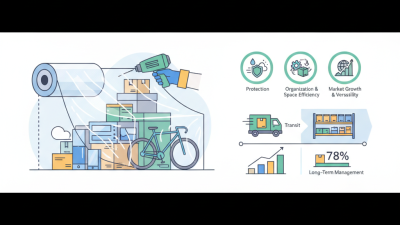
Tips: Match film strength to product weight and sharp edges. Test the package during vibration and temperature changes. Measure film use per unit, not only total film consumption. A thinner film may reduce material, but it can increase damage and waste. That trade-off deserves honest testing. Packaging professionals should also check current local recycling guidance before selecting materials.

Core Materials Used in Shrink and Wrap Packaging

What Is Shrink and Wrap Packaging?

Shrink and wrap packaging protects products with flexible film, controlled heat, or mechanical tension. Shrink film tightens around an item after heating. Wrap film holds products without heat, using stretch and cling. The material choice affects protection, appearance, cost, and recycling options.

Core materials include polyethylene, polyolefin, and polyvinyl chloride shrink films. Polyethylene is tough and useful for heavier cartons or grouped products. Polyolefin offers clear presentation and strong sealing for many retail items. PVC can shrink efficiently, but it may require careful handling and disposal planning. Stretch wrap commonly uses linear low-density polyethylene, which balances elasticity with puncture resistance. Paperboard sleeves, corrugated cartons, sealing tape, and labels often support the film system. Film thickness matters. A thin film may reduce material use, yet it can tear around sharp corners. No option is perfect.

Tips: Match film strength to product weight and edges. Test the seal before full production. Keep heat settings stable, because excessive heat can distort film or damage sensitive contents. Store rolls away from sunlight and moisture. Clean sealing bars regularly. Small debris can create weak seams. In practical packing work, teams often focus on appearance and overlook tension. That mistake causes loose wraps, crushed corners, or hidden product movement. A short trial run reveals more than a specification sheet.

What Is Shrink and Wrap Packaging? — Core Materials Used in Shrink and Wrap Packaging

Packaging Type Core Material How It Works Common Uses Key Considerations
Shrink packaging Polyolefin (POF) film Film is placed around a product or multipack and heated so it contracts closely around the contents. Retail goods, food multipacks, books, toys, and consumer products. Available in clear, printable, and perforated formats. Heat and ventilation requirements depend on the film and packaging equipment.
Shrink packaging Polyethylene (PE) film Heat causes the film to shrink around items, forming a comparatively strong, flexible bundle or overwrap. Beverage multipacks, cartons, and larger or heavier bundled products. Often selected for strength and bundling. Film thickness and shrink conditions should be matched to load weight and pack design.
Shrink packaging Polyvinyl chloride (PVC) film A heat-shrink film that contracts around a product or container when warmed. Some non-food retail products, presentation packs, and tamper-evident bands. Check local regulations and end-of-life requirements; PVC recycling options are limited in many collection systems.
Shrink packaging Oriented polyethylene terephthalate (PET) film Oriented film shrinks when heated to form a close-fitting sleeve or label around a container. Full-body container sleeves and tamper-evident bands. Perforations can help sleeves separate during recycling. Sleeve material and container recycling systems should be considered together.
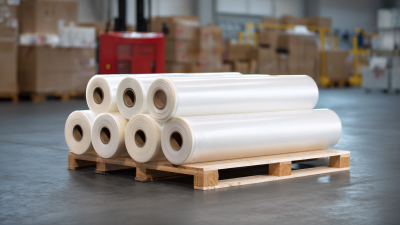
Stretch wrapping Linear low-density polyethylene (LLDPE) film Film is stretched around a load; its elastic recovery helps hold items together without a heat-shrinking step. Palletized goods, warehouse loads, and shipments requiring unitization. Commonly applied by hand or machine. Correct tension helps secure a load while avoiding excess film use or product damage.
Stretch wrapping Hand or machine stretch film blends Blended polyethylene films are stretched during application and cling to themselves to stabilize a load. Pallet wrapping, distribution, and storage protection. Film gauge, stretch level, and load geometry affect containment. Stretch wrap is distinct from heat-shrink film.
Overwrapping Cellulose film A regenerated-cellulose film is folded and sealed around an item; it does not function like conventional heat-shrink film. Confectionery, gift items, and products where a transparent, crisp wrap is desired. Moisture resistance and seal performance vary by coating and grade. Confirm suitability for the product and storage conditions.
Overwrapping Polypropylene (PP) film Film is wrapped and sealed around products, typically without relying on shrink to hold the pack in place. Food packs, printed wraps, and lightweight consumer-product packaging. Can provide clarity and moisture protection, but sealing method and film grade must suit the packaging line and intended use.

Note: Shrink film contracts with heat, while stretch film is tensioned around a load and holds it through elastic recovery and cling. Material performance and recyclability depend on film construction, additives, local collection systems, and packaging design.

How the Shrink and Wrap Packaging Process Works

What Is Shrink and Wrap Packaging?

How the Shrink and Wrap Packaging Process Works

Shrink and wrap packaging uses heat, tension, or both to secure products for storage and transport. Operators first group the items, then select film based on weight, shape, temperature, and protection needs. A sealing bar closes the film around the load. Next, a shrink tunnel applies controlled heat, causing the film to contract tightly. Stretch wrapping follows a different path. A rotating machine applies pre-stretched film around a pallet, while tension stabilizes the load without heat.

The process depends on accurate settings. Excessive heat can create holes, distort cartons, or weaken labels. Insufficient heat leaves loose film and poor product visibility. Film thickness also matters. The Association of Plastic Recyclers reports that packaging design strongly affects recycling outcomes, while PMMI industry reports identify labor efficiency and sustainability as major packaging priorities. These findings support better film selection, right-sized applications, and measurable material reduction. However, lighter packaging is not automatically better. A failed load can create more waste, damage, and handling costs.

Common Applications Across Products and Industries

Shrink and wrap packaging serves different needs across retail, food, manufacturing, and shipping. Shrink film tightens around products when heat is applied, helping bundle items or protect surfaces from dust and handling. It commonly packages bottled drinks, boxed goods, toys, and printed materials. Clear film lets shoppers inspect products, while printed sleeves can carry basic product information. It is not a perfect fit for every item; heat-sensitive products may need another method.

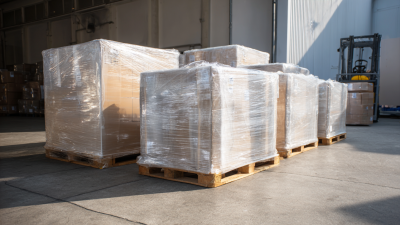
In food production, suitable packaging films can group containers or help keep selected products clean during distribution. In electronics and household goods, protective film can reduce scuffs on cartons and finished surfaces. Warehouses often use stretch wrap around pallet loads to limit shifting in transit. A loose corner can undo the effort, though, and overly tight wrapping may crush lighter boxes. Small details matter.

Tips: Match the film to the product’s weight, shape, and temperature tolerance. Test seals and tension on a sample load before a full run. Keep film edges smooth and clear of labels or openings. Check finished packs under ordinary handling conditions, not just on the packing line.

Benefits, Limitations, and Selection Considerations

Shrink and wrap packaging can hold products together, protect surfaces, and make handling easier. Shrink film tightens around an item when heated, while stretch wrap clings around a load as it is pulled taut. Both can help keep cartons stable on a pallet and reduce dust exposure during storage or shipping. The result depends on the product and how the film is applied. Not magic.

There are trade-offs. Shrink systems need heat and suitable equipment, which can add energy use and create a poor fit for heat-sensitive goods. Stretch wrap avoids a heat tunnel, but uneven tension may crush cartons or leave a pallet loose. Film can also tear on sharp corners, and plastic packaging may be difficult to recycle where local collection systems do not accept it. Small details matter.

Choose by testing the actual load, not just the film label. Check package weight, shape, surface sensitivity, and expected handling distance. A few trial wraps can reveal whether corners need protection or whether the film is too thick. For retail items, clarity and a neat finish may matter; for pallet loads, containment and easy application often matter more. One common misstep is using extra film to compensate for poor wrapping technique. It may work, but it deserves a closer look.

What Is Shrink and Wrap Packaging? Benefits, Limitations, and Selection Considerations

Typical Shrink Film Thickness Ranges

Shrink film is heated so it contracts around a product, creating a close-fitting package. Typical film thickness varies by material: PVC and polyolefin (POF) films are often available in thinner gauges, while polyethylene (PE) films are commonly thicker for heavier or larger loads. Thinner film can reduce material use, but the right choice also depends on load weight, puncture resistance, clarity, sealing equipment, and end-of-life requirements. Ranges shown are indicative; specifications vary by application and supplier.