How to Shrink And Wrap Items Effectively?
In the logistics and packaging industry, effective methods of Shrink And Wrap are crucial for protecting products during transit. According to a recent report by Packaging Strategies, approximately 40% of goods are damaged due to insufficient packaging techniques. Poor wrapping not only leads to financial losses but also affects brand reputation. Considering that the global shrink wrap market is projected to grow by 4.5% annually, businesses must refine their wrapping processes to remain competitive.
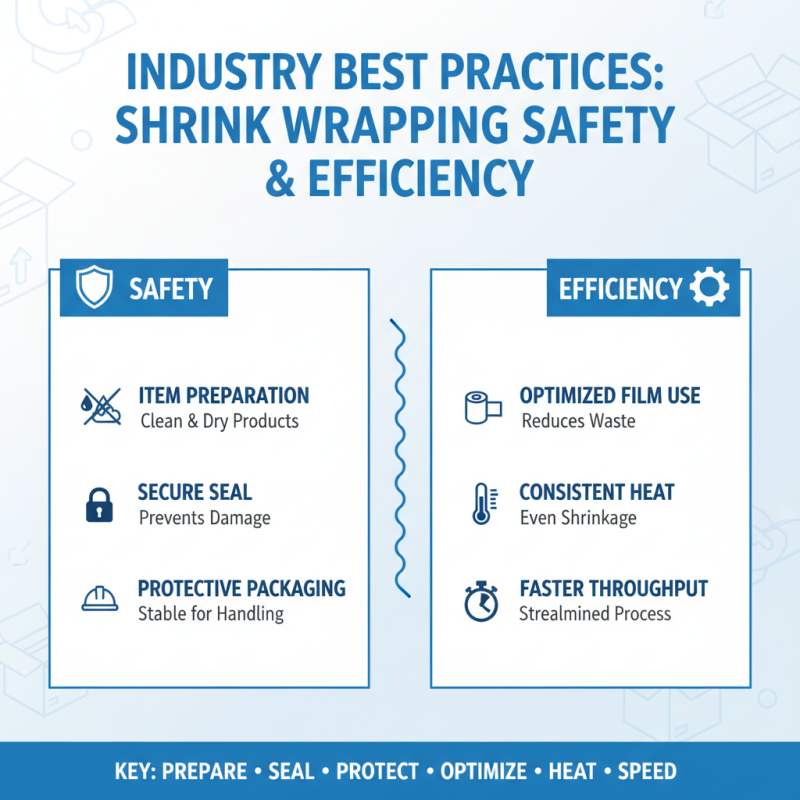
Employing best practices in Shrink And Wrap can significantly reduce damage rates. Proper temperature control and consistent film quality are vital for optimal shrinkage. A study by Smithers Pira highlights that companies utilizing advanced wrapping techniques see a 25% reduction in product returns. However, many still overlook these factors, leading to preventable issues.
Investing in training for staff can help bridge these gaps. Inadequate skills in wrapping can lead to inefficient packaging and waste. Reflecting on these challenges offers opportunities for improvement. The goal is to create an efficient, reliable process that enhances product safety and minimizes losses.
Understanding the Importance of Shrink Wrapping in Packaging Industry
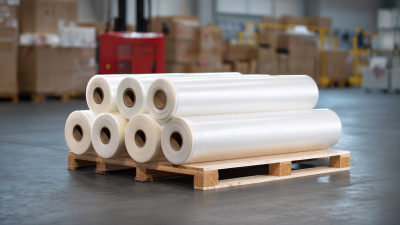
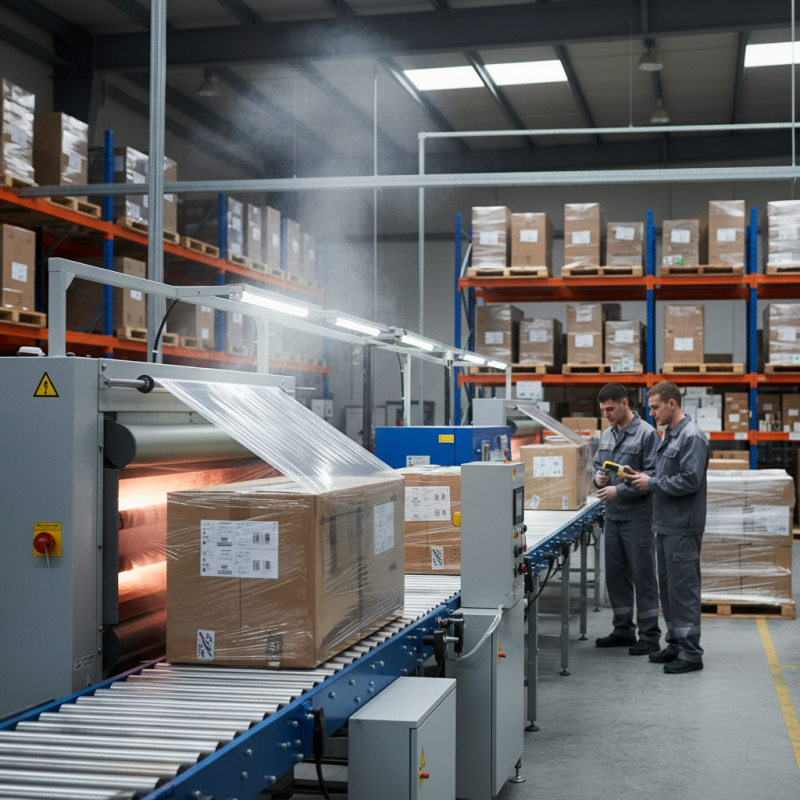
Shrink wrapping is vital in the packaging industry. It offers protection and durability to various products. The process involves tightly enclosing items with a plastic film. This film shrinks when heat is applied, forming a snug layer. The result is a secure package that withstands external elements.
Effective shrink wrapping enhances product integrity. This method prevents dirt and moisture from damaging items. It also deters tampering and theft, ensuring that consumers receive untouched products. However, not all shrink wrapping is perfect. Sometimes, uneven wrapping can occur. This may lead to product exposure, compromising quality.
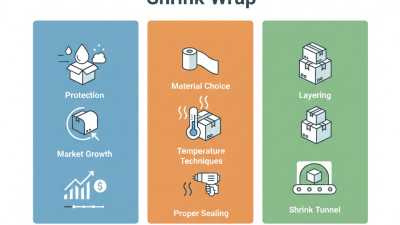
Choosing the right materials is crucial in this process. High-quality shrink films provide better results. But the environment should be considered too. Biodegradable options may be less effective but are eco-friendly. Balancing protection and sustainability can be challenging. Reflecting on these choices can inform better packaging practices.
How Shrink Wrapping Improves Packaging Efficiency
Key Materials Used in Effective Shrink Wrap Applications
When it comes to shrink wrapping, choosing the right materials is crucial. Polyolefin is a popular choice for various applications. It is thin yet strong. This material offers great clarity. Items wrapped in polyolefin look appealing. Another common material is PVC. It is affordable and easy to handle. However, it may lack some durability compared to polyolefin.
The thickness of the wrap matters. Generally, thicker materials provide better protection. But they can also be harder to handle. A balance must be struck between durability and ease of use. Some users tend to overestimate the strength of thinner wraps. This can lead to damaged items due to insufficient protection.
It's important to consider the environment when selecting shrink wrap. Some materials can release harmful chemicals when heated. Users should seek out eco-friendly options if available. Not all shrink wraps are created equal. An awareness of the specific needs of your items can lead to better outcomes. Sizing and fitting the wrap appropriately can also be challenging. A tight fit is essential for effective shrink wrapping.
How to Shrink And Wrap Items Effectively? - Key Materials Used in Effective Shrink Wrap Applications
| Material Type |
Shrink Ratio |
Thickness (in mil) |
Usage/Application |
Temperature Resistance (°F) |
| PVC Shrink Film |
40% - 60% |
60 - 100 |
Packaging for Food, Consumer Goods |
176 |
| Polyolefin Shrink Film |
20% - 50% |
50 - 100 |
General Packaging, Bundling |
220 |
| LDPE (Low-Density Polyethylene) |
20% - 40% |
40 - 80 |
Shrink Sleeves for Bottles |
150 |
| PET (Polyethylene Terephthalate) |
30% - 50% |
80 - 120 |
High-Quality Packaging |
230 |
| Polypropylene Shrink Film |
30% - 60% |
60 - 100 |
Retail Packaging, Multipacks |
180 |
Step-by-Step Guide to Shrink Wrapping Techniques and Equipment
Shrink wrapping is a versatile technique used in packaging, logistics, and manufacturing. It is essential for protecting products and enhancing presentation. The right equipment can make a significant difference. According to the Packaging Machinery Manufacturers Institute, shrink wrapping machinery has seen a growth of over 6% annually, showing its rising importance in various industries.
Using the correct technique is vital for effective shrink wrapping. Start by measuring your item accurately. This prevents wasted materials and time. The shrink film should fit snugly around your product. Then, use a heat source carefully. Too much heat can damage the item. On the other hand, too little heat may result in inadequate sealing. A balanced approach is necessary.
**Tips**: Ensure your workspace is organized. Distractions can lead to mistakes. Always test your settings before running a full batch. Additionally, consider practicing with scrap materials to perfect your process. This allows you to identify areas for improvement. Experience will help refine your skills in shrink wrapping. It’s crucial to learn from each attempt.
Analyzing Cost-Effectiveness: Shrink Wrapping vs. Other Packaging Methods
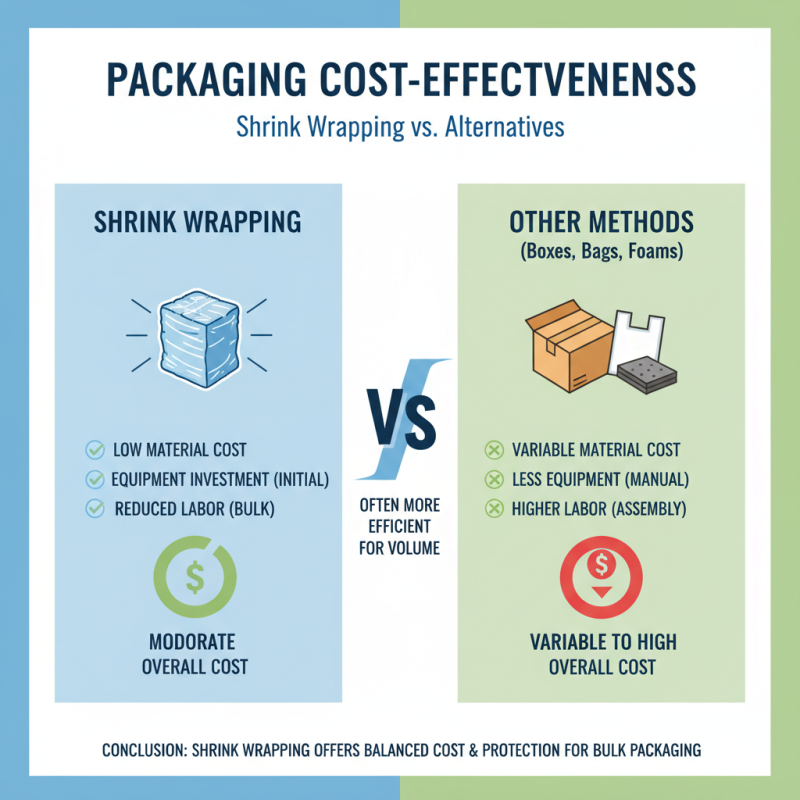
Shrink wrapping is a popular method for packaging items. It provides protection, promotes cleanliness, and increases shelf life. However, the cost-effectiveness of shrink wrapping compared to other packaging methods is worth examining.
When assessing costs, materials play a crucial role. Shrink film can be more affordable than boxes or other protective materials. However, labor expenses should not be ignored. Shrink wrapping requires trained personnel and machinery. There may be a significant upfront investment.
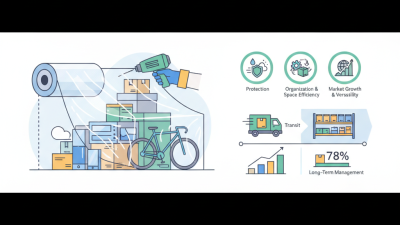
Another factor is efficiency. Shrink wrapping can save space. It allows for uniform stacking and reduces shipping costs. But some products may not fit well, creating waste. There’s a risk of underestimating the necessary size. Sometimes, items might end up being over-wrapped, leading to unnecessary costs. Decision-making involves weighing these pros and cons carefully.