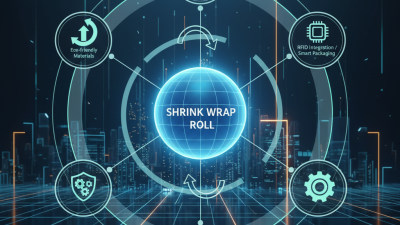
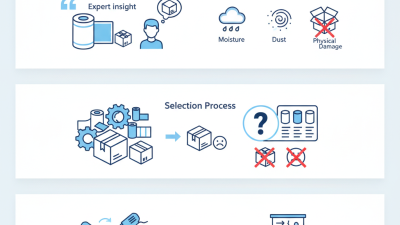
What is Shrink And Wrap and How Does It Work?
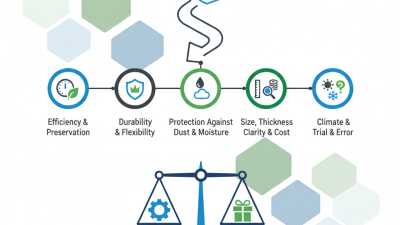
Shrink And Wrap is a packaging process that has gained popularity in various industries. This method involves applying a polymer plastic film around items. When heat is applied, the film shrinks tightly, creating a secure seal. This ensures protection from dust, moisture, and damage during shipping.
The functionality of Shrink And Wrap is straightforward yet effective. Many businesses rely on this technique to package products efficiently. The process can be adapted for many shapes and sizes. However, some users may struggle to achieve the perfect shrink. Adjustments in heat settings can lead to either over-shrinking or under-shrinking.
While Shrink And Wrap offers numerous benefits, challenges remain. The materials used might not always meet environmental standards. Users should always consider sustainability. Exploring alternative solutions is essential. Addressing these issues will help improve the efficacy and appeal of Shrink And Wrap in the long run.
What is Shrink and Wrap: Definition and Overview
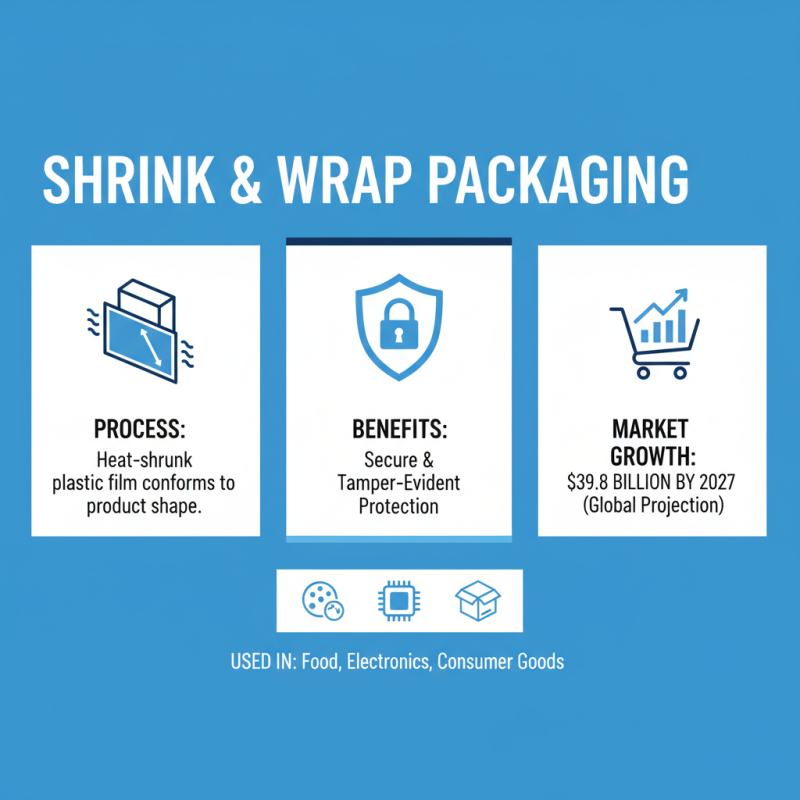
Shrink and wrap is a packaging method that involves using heat to shrink a plastic film around products. This technique is widely used in various industries, including food, electronics, and consumer goods. According to a recent industry report, the global shrink packaging market is projected to reach $39.8 billion by 2027, highlighting its growing importance across sectors. The shrink film tightly conforms to the shape of the product, providing a secure and tamper-evident packaging solution.
One key aspect of shrink and wrap is its versatility. Products of different shapes and sizes can be effectively wrapped. This method not only protects the goods but also enhances their presentation. A survey conducted by a packaging research firm found that 70% of consumers are influenced by packaging appearance when making purchasing decisions. However, while shrink wrapping offers many advantages, it can also present challenges. If not applied correctly, the film may not shrink evenly, leading to unsightly wrinkles or even product exposure. It's essential to ensure correct temperature settings and material selection to avoid these issues.
Heat shrink wrapping also raises environmental concerns. The materials used often contribute to plastic waste. As the industry grows, there is an increasing push for sustainable alternatives. Reports indicate that 25% of packaging companies are exploring biodegradable options, indicating a shift toward eco-friendly practices. Balancing functionality and sustainability remains a challenge for many in the industry.
The Process of Shrink Wrapping: Step-by-Step Explanation
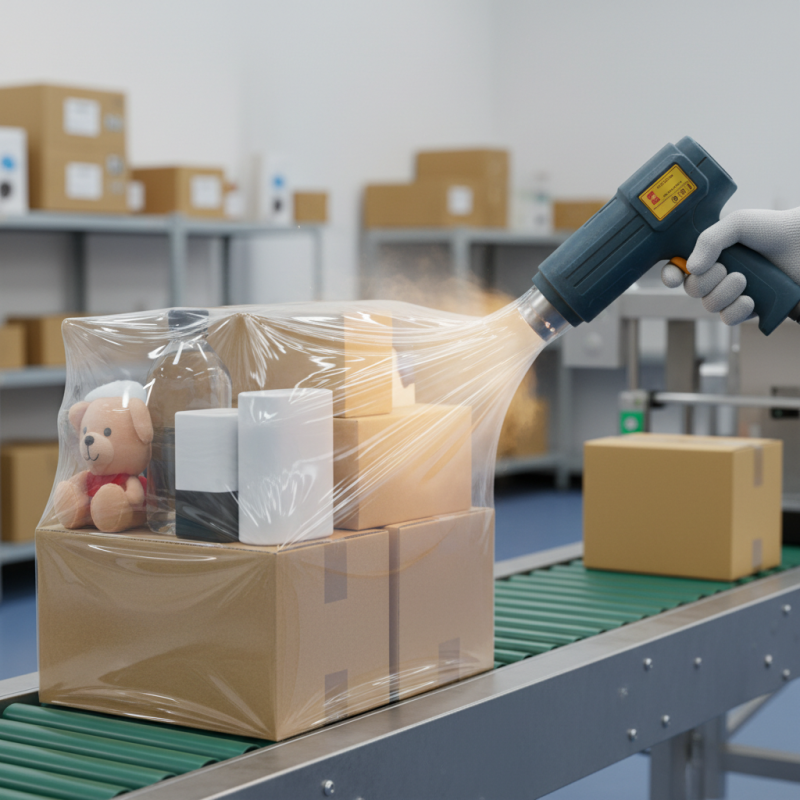
Shrink wrapping is a popular method for packaging products. The process involves a few simple steps that ensure items are securely wrapped. It starts with laying the product on a flat surface. Next, a sheet of shrink film is positioned over the item. This film is essential in creating a tight seal.
Once the product is covered, a heat source is used to shrink the film. This can be a heat gun or an oven. The heat causes the film to contract tightly around the item. It’s fascinating to see how the film molds perfectly to the product, but inconsistencies can occur. Sometimes, bubbles or folds appear. These imperfections can affect the presentation and durability.
The final step is to let the wrapped item cool. This allows the film to harden and secure the product inside. While the process seems straightforward, attention to detail is crucial. Overheating can lead to tears, while not enough heat can result in loose wrapping. Achieving the perfect shrink wrap takes practice and experience. The benefits are clear, though — well-wrapped items are protected from dust, moisture, and damage.
Types of Shrink Wrap Materials and Their Uses
Shrink wrapping is a popular method for packaging a variety of products. It uses heat to shrink plastic film around items, providing a secure and protective covering. Different materials are used for shrink wrapping, each suited for specific applications.
Polyolefin is one of the most widely used materials in shrink wrap. It is known for its clarity and toughness. Reports indicate that polyolefin shrink film growth is expected to rise by 5% annually in the next five years. This material is often used for food packaging, electronics, and retail products.
Another popular choice is PVC shrink wrap, commonly used for bundling items. It is less expensive but can be less durable.
There are also specialized films like cross-linked shrink wrap. This type offers superior strength and heat resistance. Cross-linked films are often used for industrial applications, displaying impressive properties under extreme conditions. However, the production of these films can be more costly.
Many companies struggle with balancing cost and performance. While shrink wrapping is effective, the environmental impact cannot be ignored. Biodegradable options are emerging, although they are not yet widely adopted. Companies must weigh their options carefully.
Applications of Shrink Wrap in Various Industries
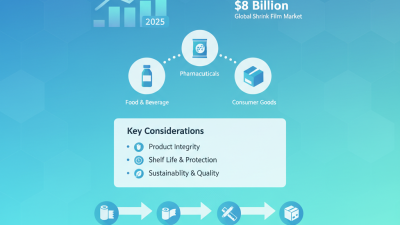
Shrink wrap is a versatile material used across various industries for packaging and protection. The global shrink film market is projected to reach approximately $10 billion by 2025, according to industry reports. This growth highlights its widespread adoption in sectors ranging from food and beverage to manufacturing.
In the food industry, shrink wrap ensures product freshness and safety. It provides a tight seal, preventing contamination and extending shelf life. Reports indicate that over 70% of food products are packaged in shrink films. These films resist moisture and can be customized for different sizes and shapes, making them ideal for everything from fresh produce to ready-to-eat meals. However, the environmental impact raises questions. Many shrink wraps are made from plastic, which contributes to waste.
The manufacturing sector also benefits significantly from shrink wrap. Large machinery and tools are often wrapped securely for shipping. This minimizes damage during transit and storage. A study reveals that nearly 40% of manufacturers use shrink wrap for protective packaging. Despite its advantages, some companies hesitate due to the challenges of recycling these materials. This issue calls for innovative solutions to enhance sustainability in packaging. As industries evolve, finding a balance between efficiency and environmental impact remains a critical concern.
Benefits and Limitations of Using Shrink Wrap Solutions
Shrink wrap solutions have gained popularity in various industries. They offer significant advantages, particularly in packaging and protecting products. The primary benefit is protection from dust, moisture, and damage. Shrink wrap creates a tight seal around items, ensuring they remain safe during storage and transit. This is especially useful for fragile goods.
However, there are limitations to consider. Shrink wrap is not eco-friendly. It often contributes to plastic waste. Many consumers are increasingly concerned about sustainability. Additionally, improper application can lead to inadequate protection. If not sealed properly, moisture can still penetrate. This could result in product damage over time.
Another drawback is that shrink wrap can be difficult to recycle. Many facilities do not accept it due to contamination risks. Companies must conduct thorough research before adopting shrink wrap solutions. Balancing the benefits against the environmental impact is crucial. While shrink wrap may seem like a straightforward choice, addressing these challenges requires careful thought.
What is Shrink And Wrap and How Does It Work? - Benefits and Limitations of Using Shrink Wrap Solutions
| Aspect |
Details |
| Definition |
Shrink wrap is a polymer plastic film that is used to tightly cover and seal items, commonly used in packaging. |
| How It Works |
Heat is applied to the shrink wrap causing it to shrink tightly around the product, providing protection and stability. |
| Benefits |
1. Protection from dust and moisture. 2. Tamper-evidence. 3. Improved pallet stability. 4. Cost-effective. |
| Limitations |
1. Not biodegradable. 2. Risk of overheating products. 3. Limited reusability. 4. Sizing restrictions. |
| Applications |
Used in logistics, food packaging, electronics, and grouping products for shipping. |