What is POF Shrink Film and How is it Used?
POF shrink film has become a popular choice in the packaging industry. This versatile material is known for its durability and clarity. Companies appreciate its ability to provide excellent protection for various products. POF stands for polyolefin, a type of plastic known for its strength.
The applications of POF shrink film are vast and varied. It is commonly used in food packaging, where freshness matters. Additionally, it wraps consumer goods and electronics, ensuring safety during shipping. Users find impressive benefits in its easy application and reliable sealing properties. However, not all users leverage its full potential.
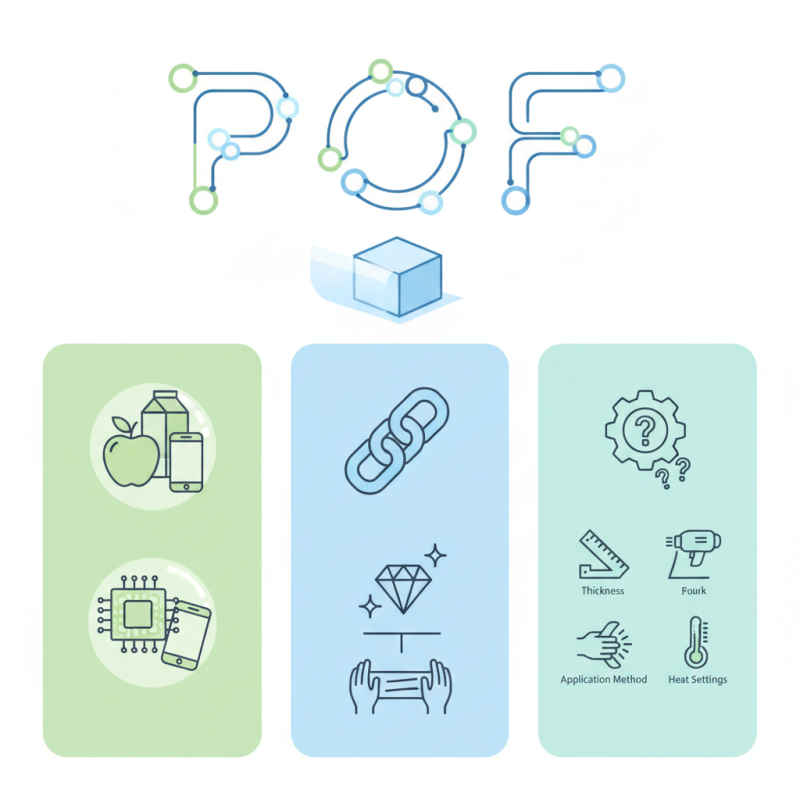
Some may struggle with choosing the right type of POF shrink film for their needs. This often leads to inefficiencies or product damage. Understanding the specifics of POF shrink film is crucial. It involves exploring factors like thickness, application method, and heat settings. By addressing these nuances, users can improve their packaging processes.
Definition and Characteristics of POF Shrink Film
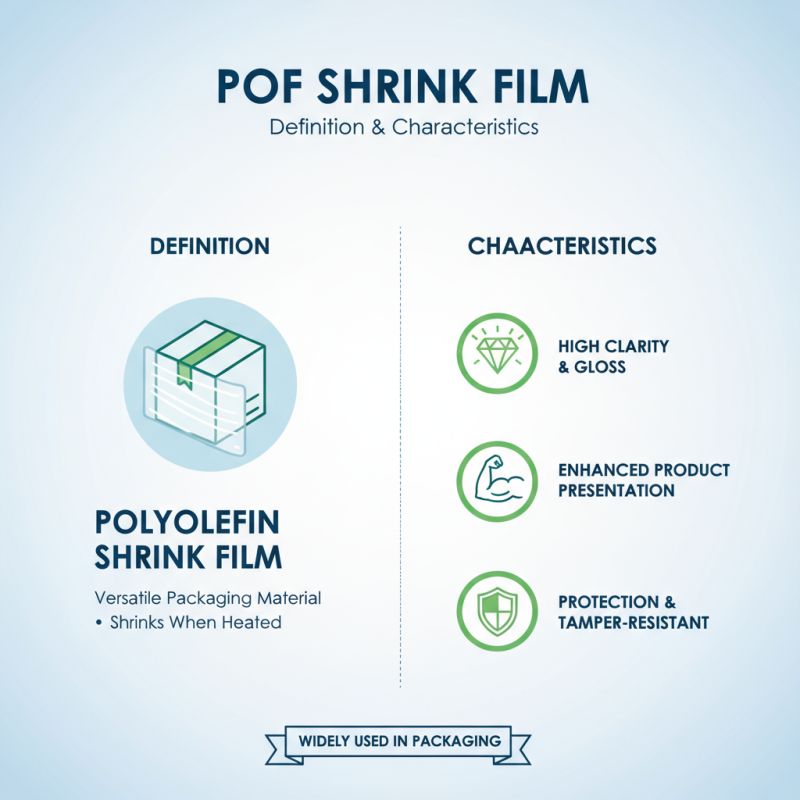
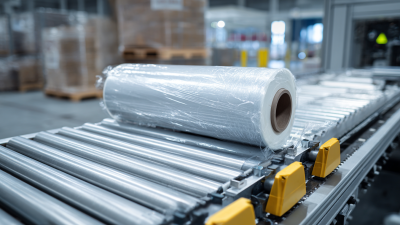
POF shrink film, known as polyolefin shrink film, is widely used in packaging. It is a highly versatile material that shrinks tightly around products when heated. This plastic film is popular for its clarity and strength. Many businesses prefer it for its excellent visual appeal. It enhances product presentation while providing protection.
The characteristics of POF shrink film include its ability to withstand high temperatures and its resistance to punctures. This makes it ideal for packaging various items, from food products to electronics. Users appreciate its smooth texture and the ability to create a tight seal. Many enjoy its eco-friendliness, as it can be recycled. However, not all applications benefit from POF. For instance, some heavy items may need additional support, leading to potential packaging failures.
In practice, you might encounter challenges. Achieving the perfect shrink can be tricky. The temperature must be just right, and the film should not be too loose. Some might struggle with how the film reacts when heated. The learning curve can be steep. But with careful experimentation, the benefits often outweigh these imperfections. Balancing ideal conditions can lead to better outcomes in packaging.
Types of POF Shrink Film Available in the Market
POF shrink film, a versatile packaging solution, comes in various types tailored for specific applications. The major types include single-layer, multi-layer, and biodegradable films. Each type offers distinct advantages.
Single-layer films are cost-effective and easy to use. Multi-layer films provide enhanced barrier properties. Biodegradable options cater to environmentally conscious consumers, reflecting the market's shift towards sustainable practices.
A report from the Global Packaging Association indicates that the demand for POF shrink film is projected to grow by 5.7% annually. This growth is driven by its use in food packaging, where freshness and presentation are crucial. Food manufacturers are adopting multi-layer films to improve shelf life. In retail, single-layer films dominate for product bundling due to their affordability.
Despite the benefits, challenges remain. Quality control can vary among suppliers. Some films may not perform consistently in high-speed packaging lines. Buyers should prioritize quality certifications. The market still has gaps in education around proper usage. Users often overlook the importance of film thickness. These factors contribute to inefficiencies and waste in production.
Common Applications of POF Shrink Film in Various Industries
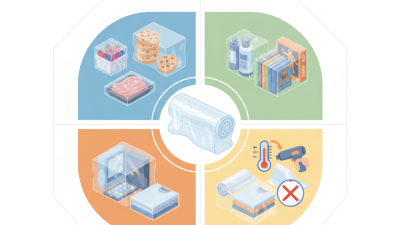
POF shrink film, also known as polyolefin shrink film, is widely used in various industries for packaging. Its versatility makes it ideal for several applications. For example, in the food industry, POF shrink film provides a moisture barrier. This helps keep food fresh and increases shelf life. According to industry reports, the global food packaging market is expected to reach $500 billion by 2025, with POF being a popular choice.
In retail, POF shrink film enhances product visibility. Products wrapped in clear film catch the eye of consumers. Shrink film ensures items look appealing on shelves. Moreover, manufacturers report that POF provides excellent strength and durability. These qualities are crucial for shipping and handling.
Tips: Ensure your products are dry before wrapping. Moisture can compromise the integrity of the seal. Also, consider using multiple layers for fragile items. This can provide extra protection during transit. Lastly, remember that not all shrink films are created equal. Do thorough research to find the best fit for your specific needs.
Applications of POF Shrink Film in Various Industries
Advantages of Using POF Shrink Film Over Other Packaging Options
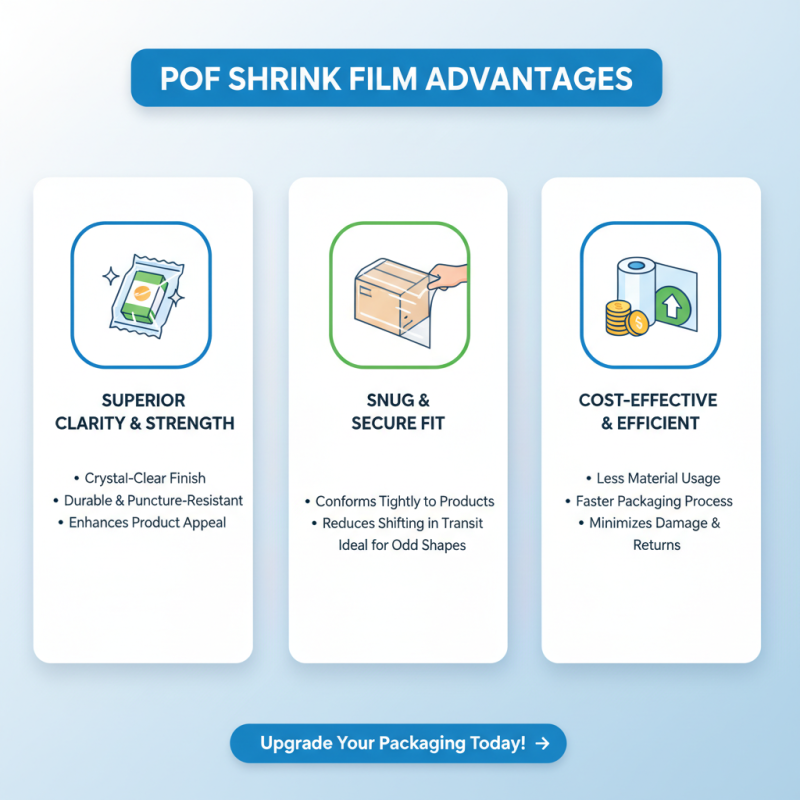
POF shrink film has gained attention in the packaging industry. Its clarity and strength make it a reliable choice. One of the biggest advantages is its ability to conform tightly to products. This snug fit reduces shifting during transport. Even oddly shaped items benefit significantly.
In contrast to other packaging options, POF shrink film offers superior flexibility. It comes in various thicknesses, allowing for tailored solutions. You can easily cut it to size, which saves time. It also provides excellent temperature resistance. It withstands various conditions without losing integrity.
While POF offers many benefits, it is not perfect. Some may find it challenging to seal properly. This can lead to wasted material. Moreover, the cost might be higher than other films. It’s important to assess if these trade-offs make sense for your needs. Packaging should be both effective and cost-efficient.
The Process of Shrinking POF Film: Techniques and Equipment
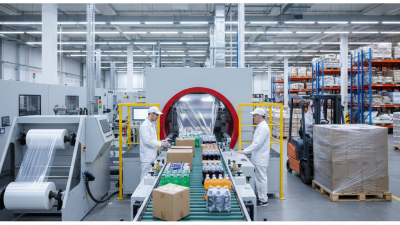
POF shrink film is gaining traction due to its versatility and efficiency. The process of shrinking this film involves precise techniques and specialized equipment. Heat is typically applied to the film, causing it to shrink tightly around the product. The shrinkage is controlled by the temperature and time settings on the heating equipment used.
Many manufacturers opt for heat guns or shrink tunnels for this process. Shrink tunnels are particularly popular, as they allow for continuous operation. The film's properties can vary, and operators need to be aware of this. A report from the Flexible Packaging Association indicates that improper temperature settings can lead to ineffective shrinkage, resulting in wasted materials and increased costs.
Additionally, various types of POF films may require adjustments in technique. Some films are more susceptible to heat. Operators should conduct tests to find the right balance. A failure to do so can cause defective seals. This, in turn, affects product integrity. Accurate monitoring of the shrinking process becomes crucial for optimal results.
What is POF Shrink Film and How is it Used? - The Process of Shrinking POF Film: Techniques and Equipment
| Aspect |
Details |
| Material Composition |
POF (Polyolefin) is a blend of polyethylene and polypropylene. |
| Key Features |
High clarity, excellent shrinkage properties, and good moisture resistance. |
| Common Uses |
Packaging for food, electronics, and retail products. |
| Shrink Method |
Heat application using shrink tunnels or heat guns. |
| Equipment Needed |
Shrink wrap machine, heat tunnel, and heat gun. |
| Advantages |
Environmentally friendly, safe for direct food contact, and recyclable. |
| Disadvantages |
Can be more expensive than other films, limited heat resistance. |